Stainless steel is widely used in manufacturing due to its corrosion resistance, strength, and versatility. However, machining this material can present several challenges for production facilities. In response to these requirements, Cemented Carbide Cutting Tools have become a common choice for many machining operations. Along with these tools, Cemented Carbide Tips are also utilized in various industrial applications where wear resistance and durability are important.
As stainless steel continues to be used across different industries, the selection of suitable cutting tools remains an important factor in achieving efficient and consistent machining results.
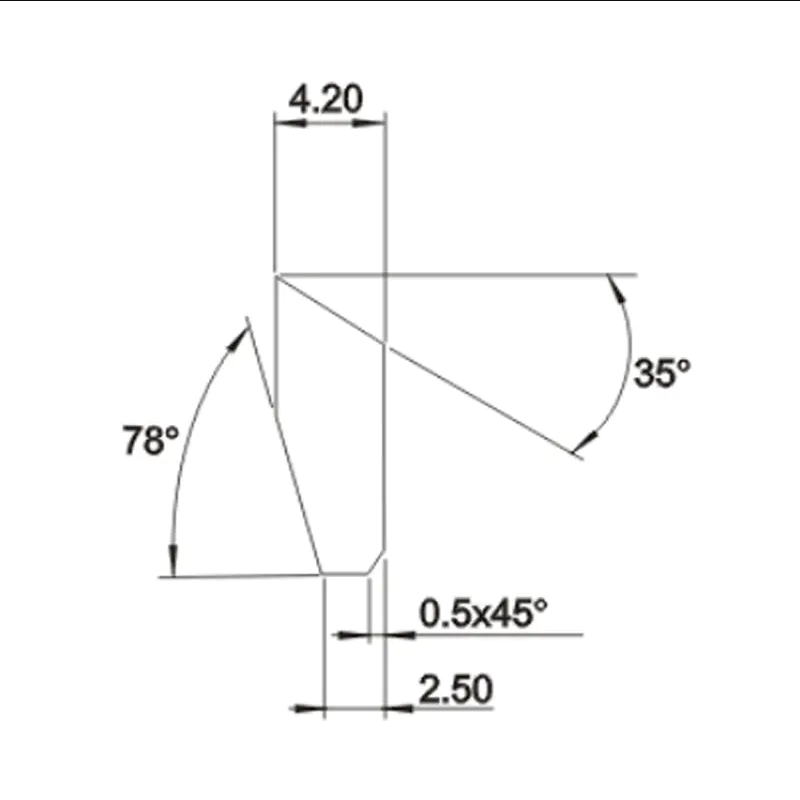
Challenges Associated with Stainless Steel Machining
Compared with many other materials, stainless steel can be more demanding during cutting operations. Certain grades generate significant heat during machining, while others may exhibit work-hardening characteristics that increase cutting difficulty.
These factors can place additional stress on cutting tools and may contribute to tool wear over time. As a result, manufacturers often seek tooling solutions that can maintain performance under these conditions.
Tool material, cutting parameters, and machining strategies all play a role in supporting effective stainless steel processing.
Why Cemented Carbide Cutting Tools Are Commonly Used
Cemented Carbide Cutting Tools are widely applied in stainless steel machining because they offer a combination of hardness and wear resistance. These characteristics help the tools withstand the demanding conditions often encountered during cutting operations.
Carbide materials can maintain cutting edges under continuous use, making them suitable for a variety of machining processes. Their performance characteristics support operations where dimensional consistency and machining stability are important considerations.
In many production environments, carbide tools are selected for tasks involving turning, milling, drilling, and other metalworking processes.
Common Types of Carbide Cutting Tools
Carbide End Mills
Carbide end mills are frequently used for milling stainless steel components. They are suitable for producing slots, contours, and various surface features required in manufacturing.
Carbide Drills
Drilling operations often require tools capable of handling continuous contact with stainless steel materials. Carbide drills are commonly selected for these applications due to their durability and cutting capability.
Carbide Inserts
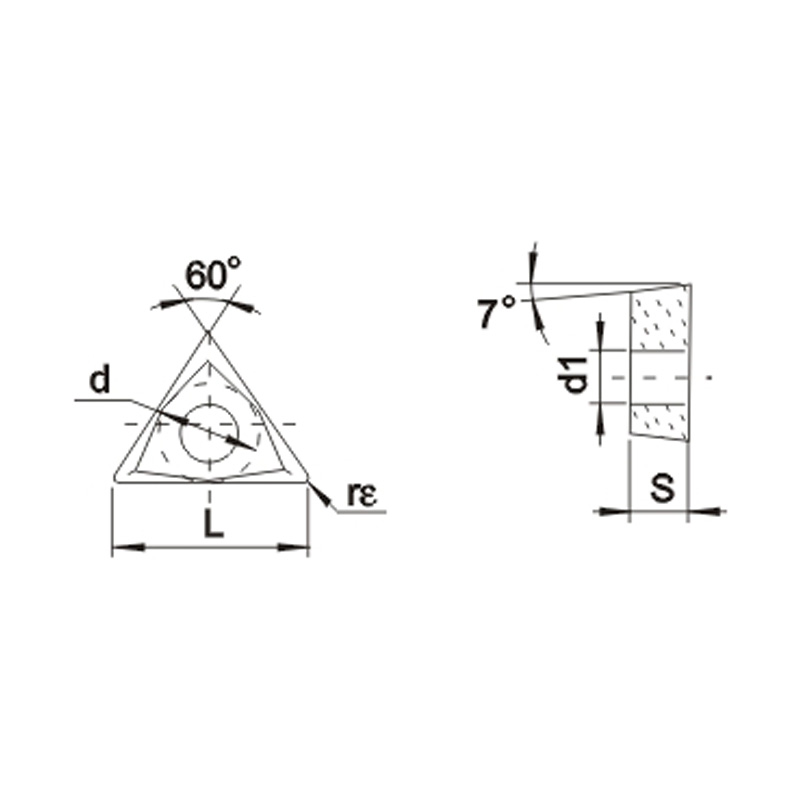
Indexable carbide inserts are widely used in turning and milling operations. Their replaceable design allows manufacturers to maintain productivity while adapting to different machining requirements.
Turning Tools
Carbide turning tools are often applied in the production of cylindrical components and precision parts. These tools help support stable cutting performance throughout machining processes.
Factors to Consider When Selecting Cutting Tools
Choosing the right cutting tool for stainless steel processing involves evaluating several factors. The grade of stainless steel being machined is one of the primary considerations, as different materials may require different tooling approaches.
Cutting speed, feed rate, and machining depth can also influence tool performance. Selecting suitable tool geometry is important because edge design affects chip formation and cutting efficiency.
In addition, many manufacturers consider coating options when selecting carbide tools. Coatings may help improve wear resistance and support tool performance in specific machining environments.
The Role of Cemented Carbide Tips in Industrial Applications
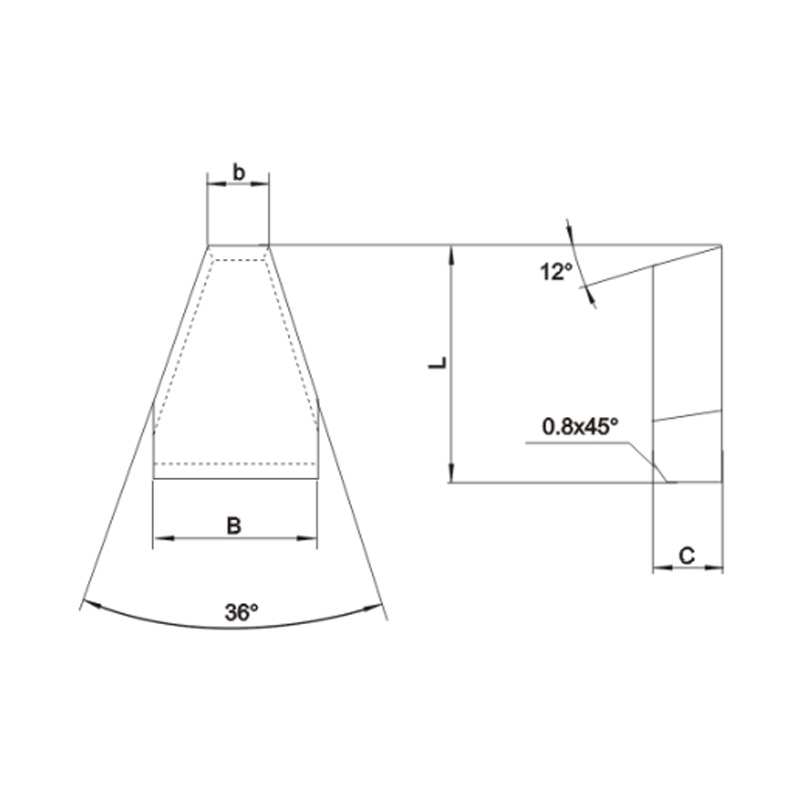
While Cemented Carbide Cutting Tools are essential for machining stainless steel, Cemented Carbide Tips are also widely used across industrial sectors. These components are commonly found in mining equipment, woodworking tools, construction machinery, and wear-resistant applications.
Carbide tips are valued for their ability to withstand abrasive conditions and repeated mechanical contact. Their durability makes them suitable for applications where long-term wear resistance is important.
Because both carbide tips and carbide cutting tools are based on similar material technologies, developments in carbide manufacturing can benefit a broad range of industrial products.
Ongoing Developments in Stainless Steel Machining
Manufacturing industries continue to explore methods for improving machining efficiency and tool utilization. Advances in carbide materials, tool geometry, and production technologies are contributing to the development of cutting solutions tailored to modern machining requirements.
As stainless steel remains an important material in sectors such as construction, transportation, industrial equipment, and precision manufacturing, demand for reliable cutting tools is expected to continue. Cemented Carbide Cutting Tools and Cemented Carbide Tips will remain important components in supporting machining operations and industrial production across a variety of applications.

 English
 中文简体
中文简体 русский

Contact Us