
 English
 中文简体
中文简体 русский
High hardness, high toughness cemented carbide flat steel
Cat:Cemented Carbide Flats
Welcome to our Cemented Carbide Flats section, where we take pride in offering top-quality carbide products designed to ...
See DetailsIndustrial equipment is often required to operate under conditions involving continuous friction, abrasion, and repeated contact with hard materials. In these applications, Cemented Carbide Tips are widely used because they offer a combination of hardness and durability that supports long-term performance. Alongside these components, Cemented Carbide Cutting Tools are also commonly utilized in manufacturing environments where consistent cutting capability and wear resistance are important considerations.
As industries place greater attention on maintenance planning and operational efficiency, wear-resistant materials continue to play an important role in tool and equipment design.
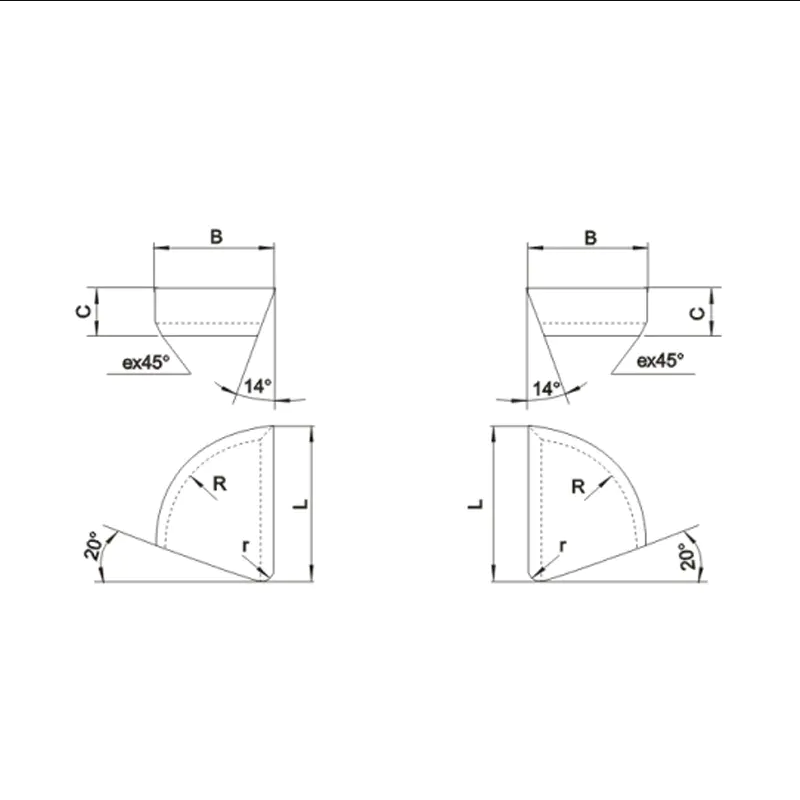
The Importance of Wear Resistance in Industrial Applications
Wear is a common challenge across many industries. Components that are exposed to constant friction can gradually lose material, which may affect performance and increase replacement frequency. For this reason, manufacturers often seek materials that can withstand demanding working conditions while maintaining their functional characteristics.
Cemented carbide has become a widely used material due to its ability to resist abrasion and surface wear. Its structure combines hard carbide particles with a metallic binder, creating a material suitable for applications where durability is a key requirement.
By incorporating carbide components into tools and equipment, manufacturers can help support more stable operation in environments where wear is a constant concern.
How Cemented Carbide Tips Contribute to Wear Performance
Cemented Carbide Tips are frequently installed on tools that encounter abrasive materials during daily operation. Their hardness allows them to resist surface degradation caused by repeated contact with wood, metal, stone, soil, and other challenging materials.
Another important characteristic is their ability to maintain working geometry over time. When cutting edges or contact surfaces experience less wear, tools can continue performing their intended functions more effectively throughout their service period.
Carbide tips are available in different grades, allowing manufacturers to select materials according to application requirements. Some grades are designed for environments with high abrasion, while others offer additional toughness for situations involving impact loads.
Industries That Utilize Wear-Resistant Carbide Tips
Woodworking Equipment
Woodworking tools frequently encounter continuous friction during cutting and shaping operations. Carbide tips are commonly used on saw blades, cutters, and other tooling components to support durability.
Metalworking Applications
Many metal processing operations require tools capable of handling repeated contact with hard materials. Carbide-tipped solutions are often selected for these environments due to their wear-resistant properties.
Agricultural Machinery
Agricultural equipment may operate in soil conditions that expose components to abrasive particles. Carbide tips can help support longer service periods for selected wear components.
Mining and Construction Tools
Mining and construction industries regularly work with rock, aggregates, and other abrasive materials. Carbide components are widely used in these sectors because of their ability to handle demanding operating conditions.
Factors Influencing Material Selection
Selecting the appropriate carbide grade depends on several factors. The hardness of the material being processed is one consideration, while operating conditions such as impact levels and working temperatures may also influence material choice.
Manufacturers often evaluate the balance between hardness and toughness when selecting carbide materials. A suitable combination of these characteristics can help align tool performance with specific application requirements.
Tool design, operating speed, and environmental conditions may further affect the selection process. Understanding these factors helps manufacturers choose carbide solutions that fit their intended use.
Connection with Cemented Carbide Cutting Tools
The benefits of wear-resistant carbide materials are not limited to carbide tips. Cemented Carbide Cutting Tools are widely used throughout manufacturing industries because they can maintain cutting performance during demanding machining operations.
These cutting tools are commonly applied in milling, drilling, turning, and other precision manufacturing processes. Their wear-resistant characteristics help support machining consistency when working with a variety of materials.
Because both carbide tips and carbide cutting tools rely on similar material technologies, developments in carbide manufacturing often contribute to improvements across multiple industrial applications.
Continuing Interest in Wear-Resistant Solutions
Industrial sectors continue to seek materials capable of supporting productivity and equipment reliability. As operating environments become more demanding, interest in durable tooling materials remains strong.
Advances in carbide grades, manufacturing methods, and application-specific designs are helping expand the use of cemented carbide products across different industries. Both Cemented Carbide Tips and Cemented Carbide Cutting Tools are expected to remain important solutions for applications where wear resistance and long-term performance are key considerations.
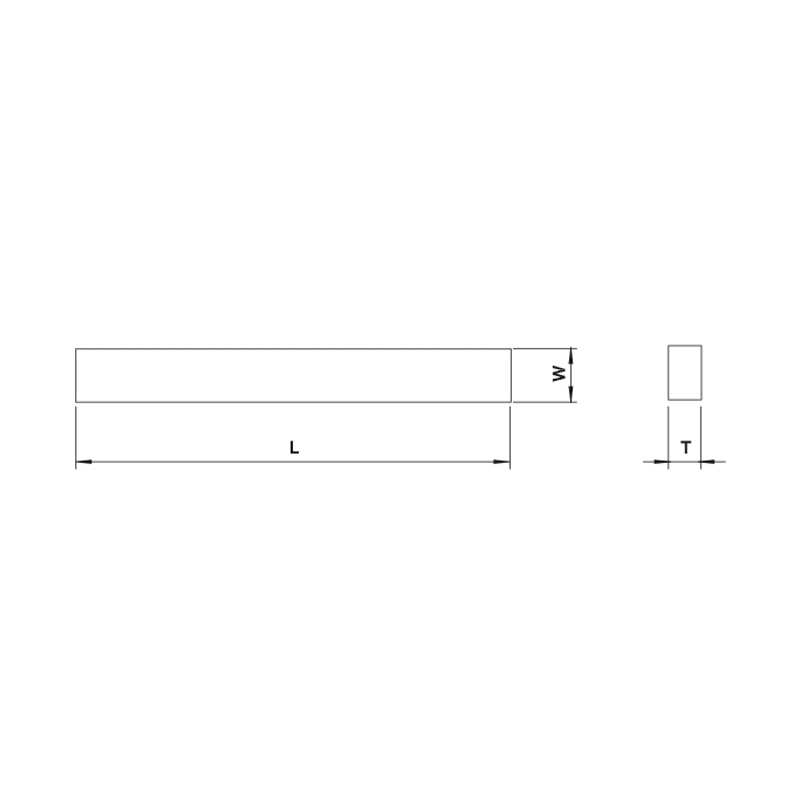
Welcome to our Cemented Carbide Flats section, where we take pride in offering top-quality carbide products designed to ...
See Details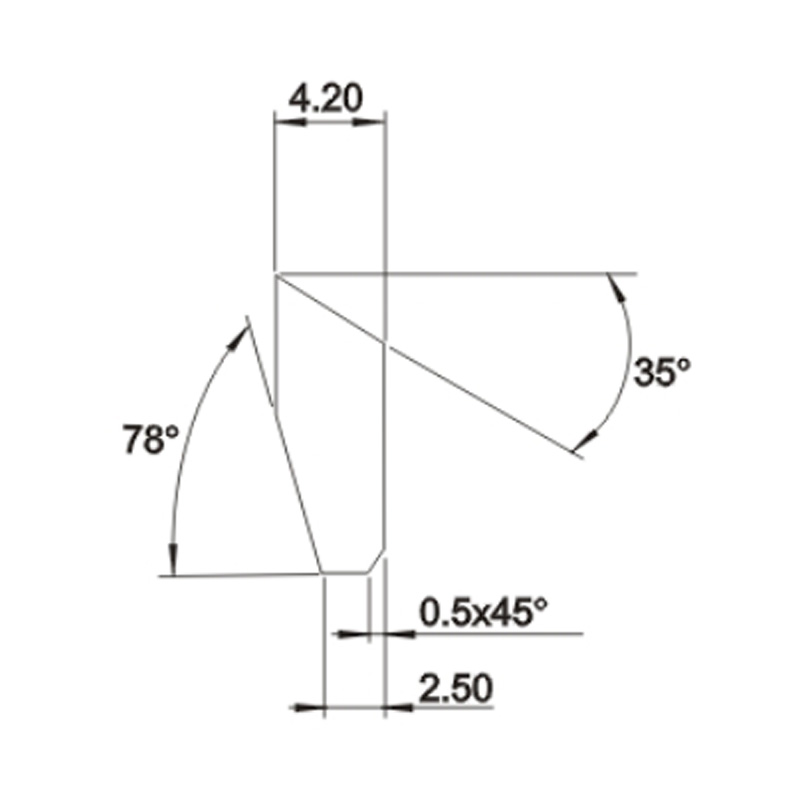
Welcome to our MKWPRL Series Saw Blades product page! Our company is proud to offer a range of high-quality saw blades d...
See Details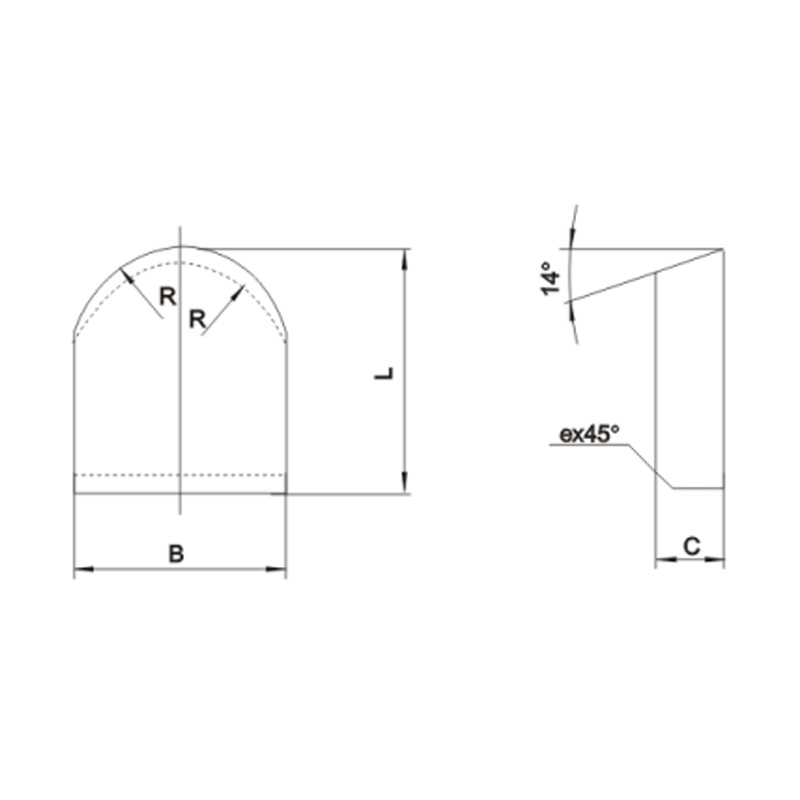
Welcome to our product page featuring the B2 Type for concave circular arc shaping turning tool and flange turning tool!...
See Details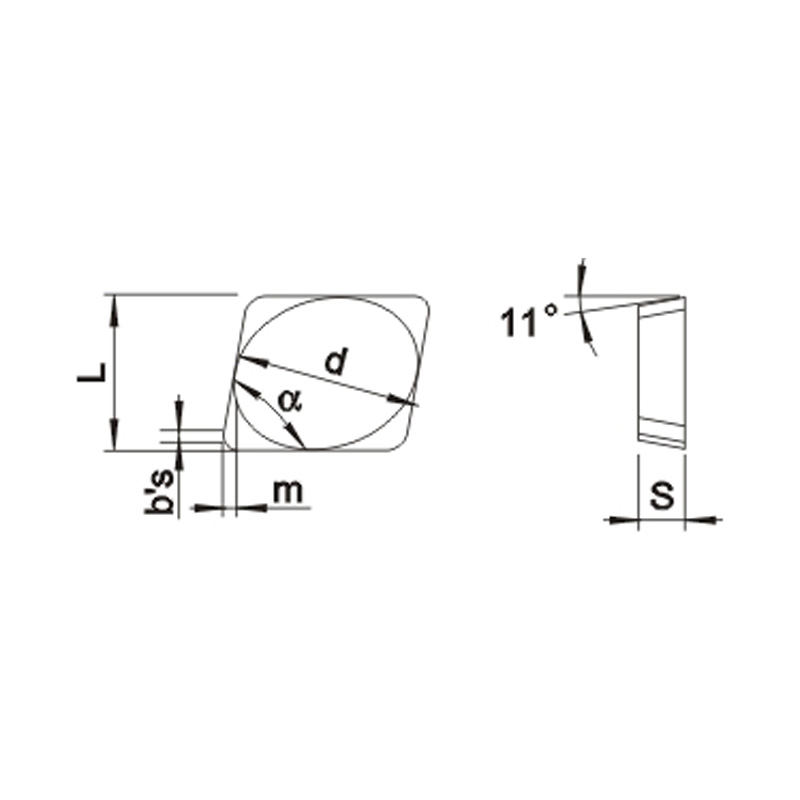
Welcome to our product page featuring Right Angle, Three-edge Milling Cutter Blades! These blades are meticulously desig...
See Details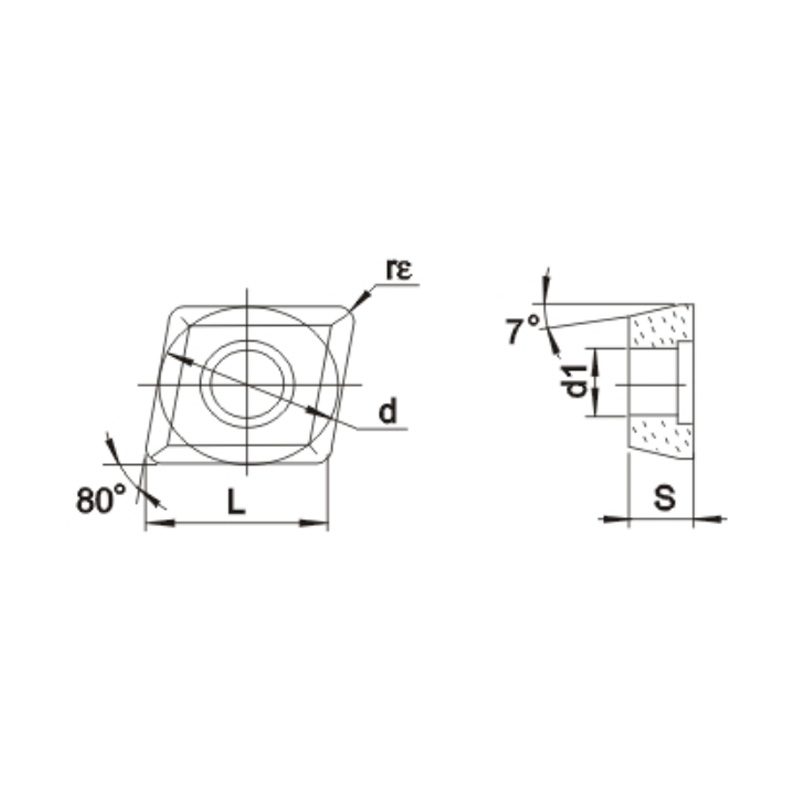
Welcome to our product page featuring the 95 Degree External Turning, Facing, and Boring Tools! Designed to meet the div...
See Details
Contact Us