
 English
 中文简体
中文简体 русский
High hardness, high toughness cemented carbide flat steel
Cat:Cemented Carbide Flats
Welcome to our Cemented Carbide Flats section, where we take pride in offering top-quality carbide products designed to ...
See DetailsCarbide Burr tools are essential for removing sharp edges, cleaning casting defects, refining welds, and finishing complex metal components. As manufacturers face increasing demands for dimensional accuracy and consistent surface quality, selecting the right rotary burr has become an important part of process optimization. For industrial buyers, the key considerations include cutting efficiency, material compatibility, tool durability, and access to difficult geometries. Understanding how these factors affect performance can help reduce rework and support more reliable production.
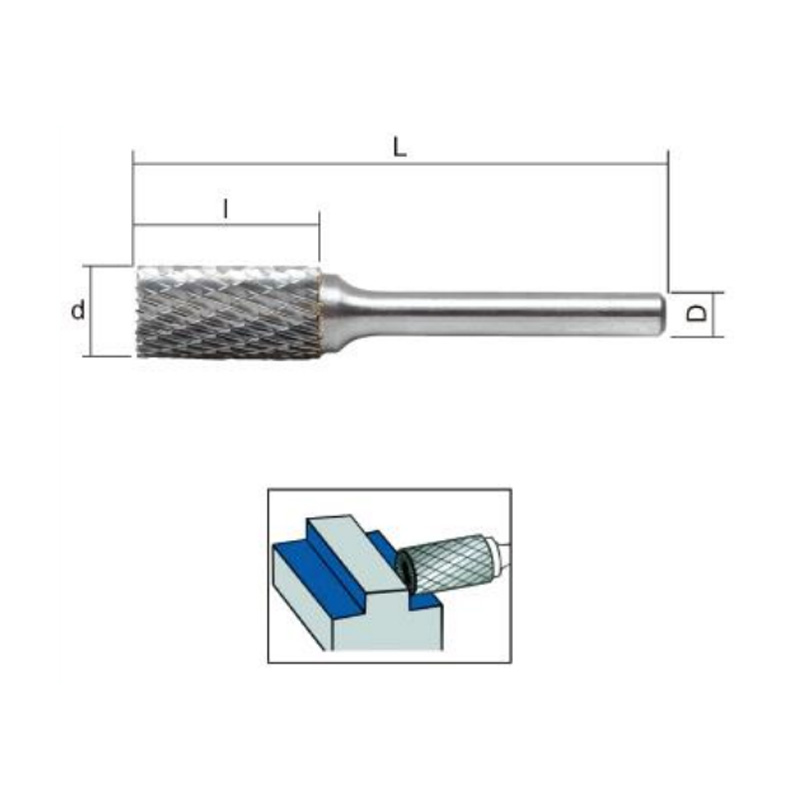
Uneven edges and rough surfaces often result from a combination of unsuitable tooling and inconsistent operating conditions. Using a burr designed for aggressive stock removal during a fine-finishing operation may leave unwanted marks, while an undersized cutting head can make larger surfaces unnecessarily difficult to process.
Manufacturers should identify the type of defect, the workpiece material, and the required finish. Matching the burr to the operation helps operators remove unwanted material without applying excessive pressure. For precision components, controlled finishing is particularly important because excessive material removal may affect tolerances and assembly performance.
Material compatibility directly influences cutting behavior and chip formation. Carbon steel, stainless steel, cast iron, and aluminum each present different machining challenges, making cutting geometry an important selection factor.
A careful selection process helps buyers avoid relying on one cutting pattern for materials with substantially different machining characteristics.
Modern components frequently feature narrow slots, internal cavities, curved profiles, and intersecting surfaces. Choosing a suitable burr head shape allows operators to reach these areas more effectively while maintaining control over material removal.
Cylindrical burrs are useful for straight edges and flat surfaces, while ball-shaped burrs support contouring and curved cavities. Flame-shaped and tree-shaped designs are useful for selected profiles and restricted areas. The head diameter, cutting length, and shank dimensions should also match the available clearance and machine configuration.
For mold maintenance and casting cleanup, this combination of geometry and accessibility can make finishing operations more manageable.
Premature wear is not always caused by the tool itself. Excessive pressure, inappropriate rotational speed, poor clamping, and prolonged contact in one area can contribute to overheating and unstable cutting.
To maintain consistent performance, operators should follow the recommended operating parameters, keep the burr moving smoothly, and avoid forcing the cutting head into the workpiece. The shank must be securely held in a compatible collet, and damaged or vibrating tools should be removed from service for inspection.
Regular checks can also help identify clogged cutting edges before they begin affecting surface quality.
For distributors and bulk purchasers, dependable product quality matters throughout the supply chain. Differences in burr dimensions, concentricity, cutting-edge formation, or shank quality may influence machining stability and finished-part consistency.
Before placing a large order, buyers should confirm product drawings, dimensional tolerances, available cut types, material recommendations, and packaging specifications. Testing samples on representative workpieces can provide useful evidence of suitability under actual production conditions.
As a manufacturer, we recommend discussing application requirements with suppliers rather than comparing quotations on unit price alone. Clear technical communication helps align product selection with production needs.
A reliable deburring process combines appropriate tooling, stable equipment, and repeatable operating practices. Documenting successful settings for recurring jobs can help operators maintain consistent results, while routine tool inspections make it easier to identify wear and prevent avoidable defects.
When sourcing a Carbide Burr, buyers should consider the workpiece material, desired surface finish, head geometry, shank size, and operating conditions together. This application-focused approach helps manufacturers improve finishing consistency, control unnecessary tool consumption, and select cutting tools that support long-term production requirements.
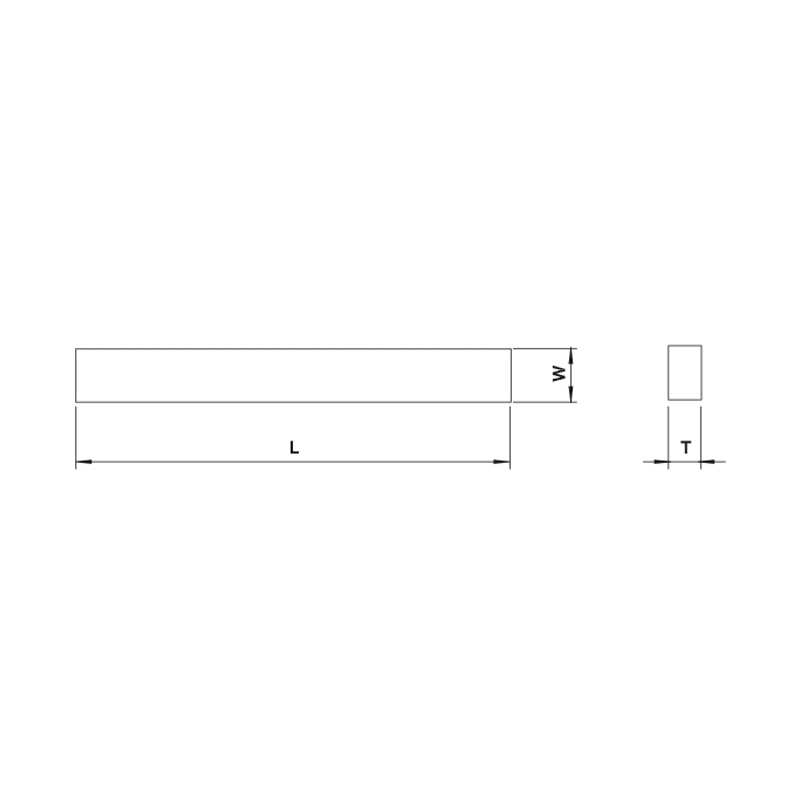
Welcome to our Cemented Carbide Flats section, where we take pride in offering top-quality carbide products designed to ...
See Details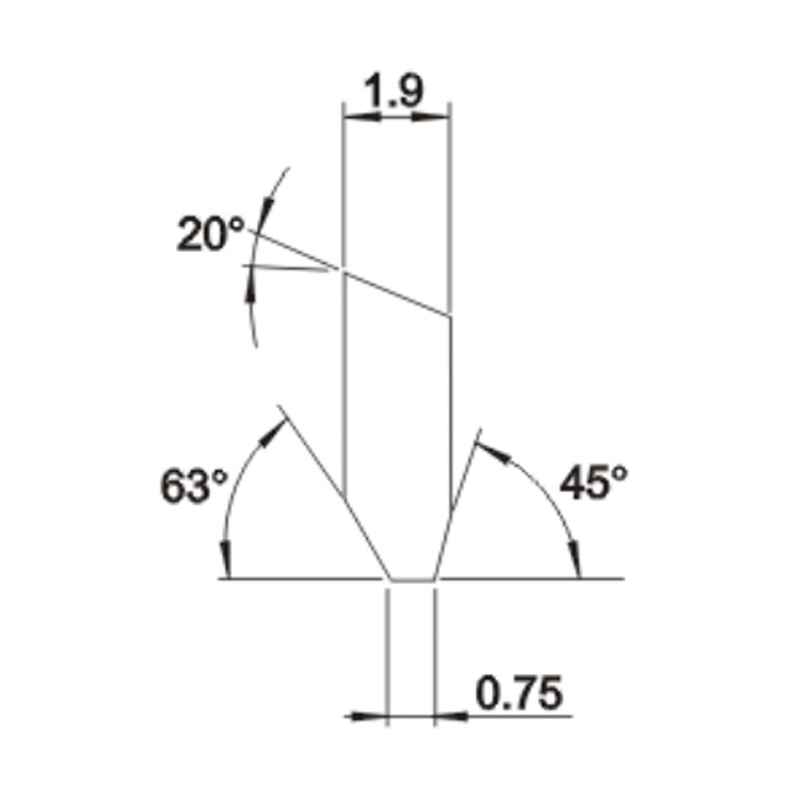
Welcome to our product page showcasing the MKW-06 Series Saw Blades! Our company takes pride in offering top-quality saw...
See Details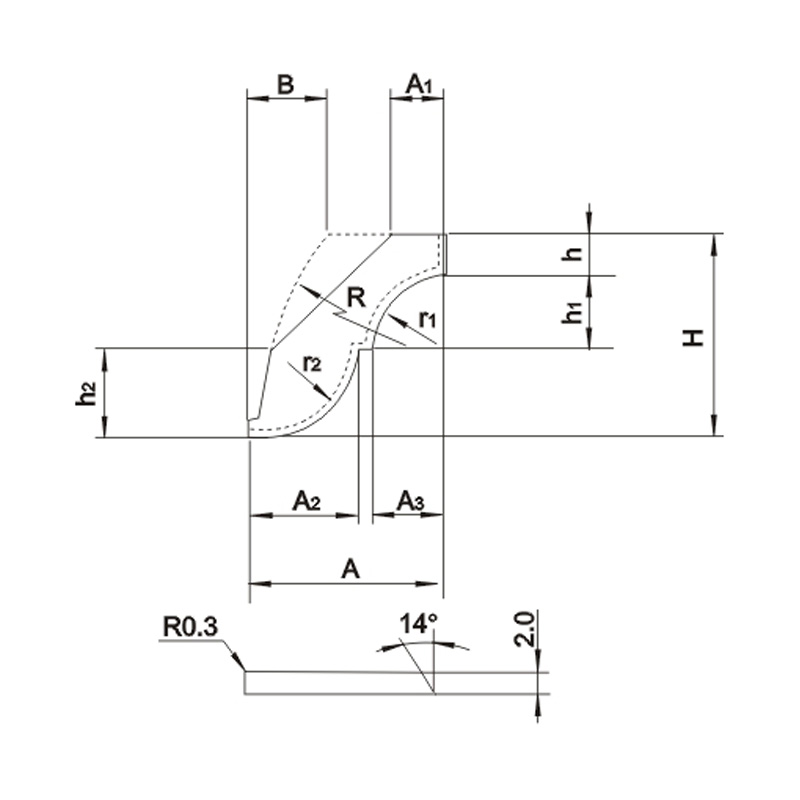
Welcome to our product showcase featuring the Double-Sided Door Panel Edge Profile Cutter Blade! Designed for precision ...
See DetailsWelcome to our product page featuring the SFCN Milling Cutter Blades! Our company takes pride in offering high-quality m...
See Details
Welcome to our product page featuring the 90 Degree and 93 Degree External Turning Tools! These cutting tools play a cru...
See Details
Contact Us