
 English
 中文简体
 русский
ZYH25 12% cobalt, 14.05-14.15 density (g/cm³) cemented carbide tungsten carbide rod
Cat:Carbide Rod Series
Welcome to our grinding tool supply company's website, where we introduce you to our premier product: the ZYH25 Carbide ...
See DetailsCarbide Burr tools are widely used in metal fabrication, automotive manufacturing, foundries, and precision engineering for deburring, shaping, and surface finishing. Yet premature wear, inconsistent cutting performance, and unexpected tool replacement can disrupt production schedules and increase operating costs. For industrial buyers and manufacturing engineers, improving tool service life starts with understanding the relationship between cutting geometry, operating conditions, and workpiece material. Selecting the right tungsten carbide rotary burr and maintaining a stable machining process can help improve finishing consistency while making better use of tooling budgets.
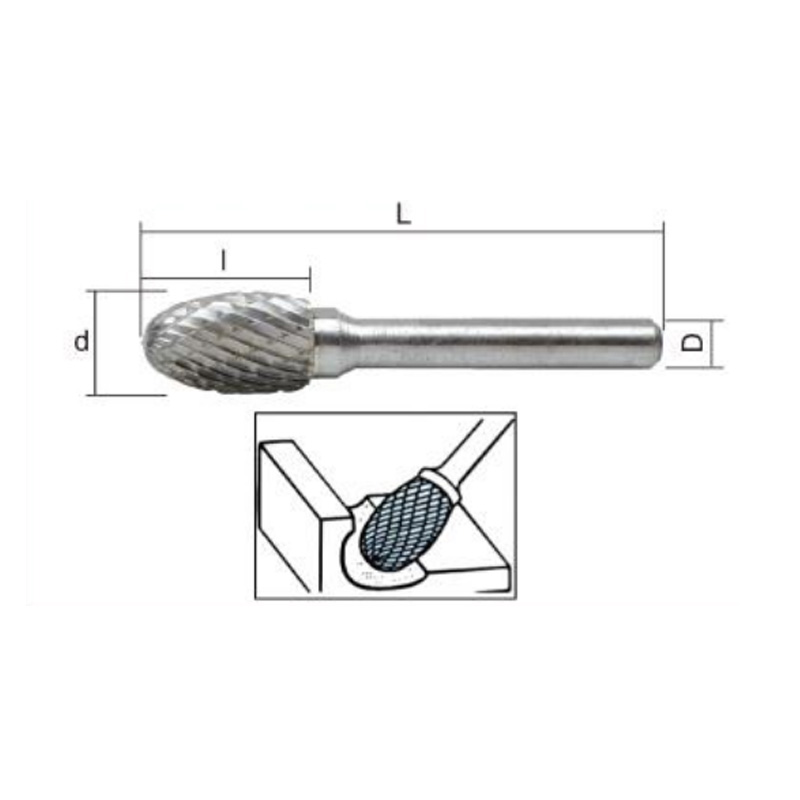
A worn burr may require more pressure to remove the same amount of material, produce rougher surfaces, or generate unusual vibration during operation. Continuing to use a damaged tool can compromise finishing quality and create additional work for inspection and reprocessing.
Operators should inspect cutting edges regularly and look for visible damage, material buildup, and changes in cutting behavior. If performance deteriorates, check the operating speed, workpiece clamping, and tool condition before assuming that replacement alone will solve the problem.
Different workpiece materials place different demands on a cutting tool. Steel, stainless steel, cast iron, and aluminum vary in hardness, chip formation, and cutting behavior, so selecting an appropriate burr design is essential.
Double-cut carbide burrs are commonly used for general deburring and shaping on many ferrous materials. For aluminum and certain non-ferrous metals, specially designed cutting geometries can help reduce chip accumulation. The option depends on the alloy, required surface finish, and amount of material that must be removed.
For procurement teams, specifying the workpiece material and intended operation when requesting quotations helps suppliers recommend a more suitable product from the beginning.
Operating conditions have a direct influence on tool performance. Excessive pressure can increase friction and stress the cutting edges, while an unsuitable rotational speed may contribute to overheating, vibration, or poor surface quality.
To maintain stable cutting performance:
These practices help operators maintain control over material removal and reduce avoidable damage caused by improper handling.
Using an unsuitable burr shape can make finishing unnecessarily difficult and accelerate wear through uneven contact. Cylindrical burrs are useful for straight edges and accessible surfaces, while ball-shaped designs are suitable for curved cavities and contouring. Tree-shaped and flame-shaped burrs can reach selected grooves, angled surfaces, and detailed profiles.
The head diameter and cutting length should provide adequate access without compromising control. In precision mold work, casting cleanup, and component repair, this selection helps operators reach the target area while limiting unwanted material removal.
Metal chips and residue can accumulate on cutting edges, particularly when machining softer materials. This buildup may reduce cutting efficiency and increase friction. Cleaning the burr according to the manufacturer's instructions can help restore its working condition when contamination is the main issue.
Inspection should also include the shank, cutting head, and connection to the rotary tool. Any tool showing cracks, significant damage, or abnormal vibration should be removed from service. Operators should never attempt to clean or adjust a rotating tool while the machine is running.
Tool service life also depends on product quality. Variations in cutting-edge formation, head dimensions, concentricity, and shank quality can influence machining stability and finishing results.
When evaluating a carbide burr manufacturer, buyers should review technical specifications, available geometries, inspection procedures, and sample performance. Testing products under representative working conditions provides a practical basis for comparing suppliers beyond initial unit price.
As a manufacturer, we believe that reliable tooling begins with consistent production standards and clear communication about application requirements. Selecting the appropriate Carbide Burr, following recommended operating practices, and inspecting tools regularly can help manufacturers maintain finishing quality and manage tooling costs more effectively.
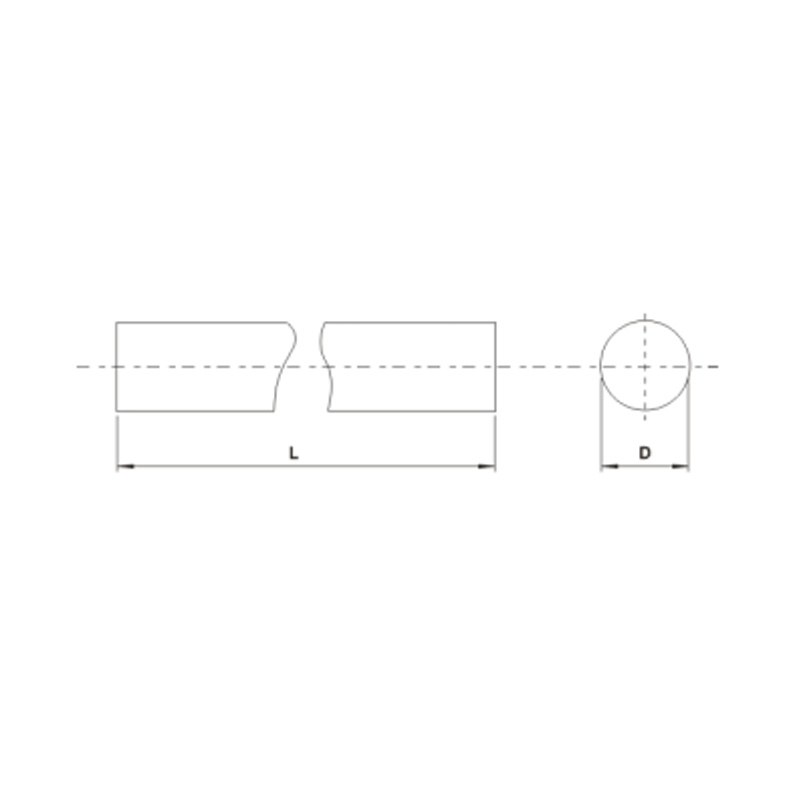
Welcome to our grinding tool supply company's website, where we introduce you to our premier product: the ZYH25 Carbide ...
See Details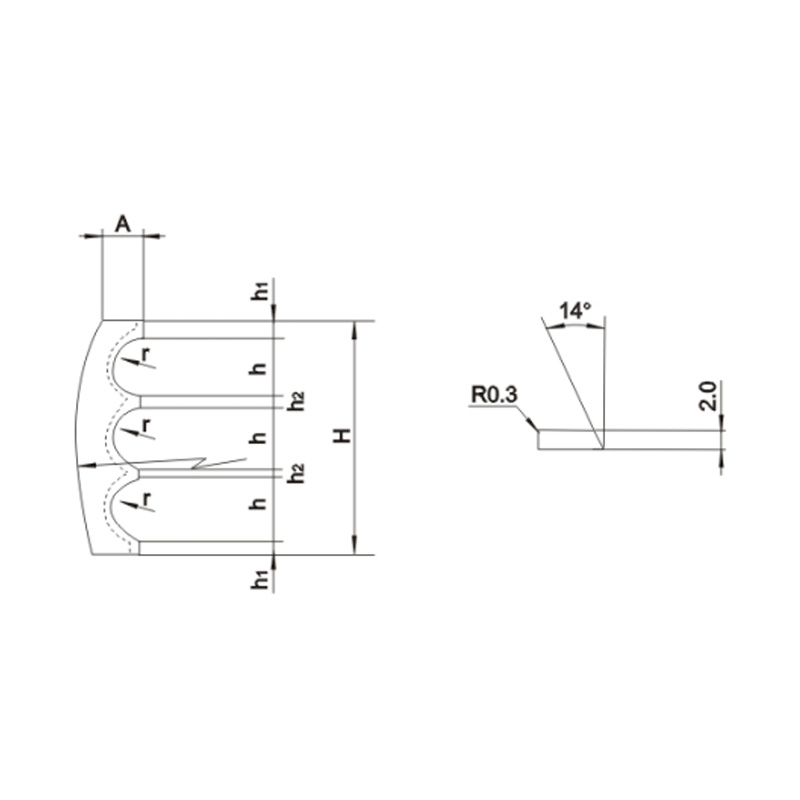
Introducing our Three Pearlite Blade, a remarkable tool designed to elevate your decorative cutting tasks to new heights...
See Details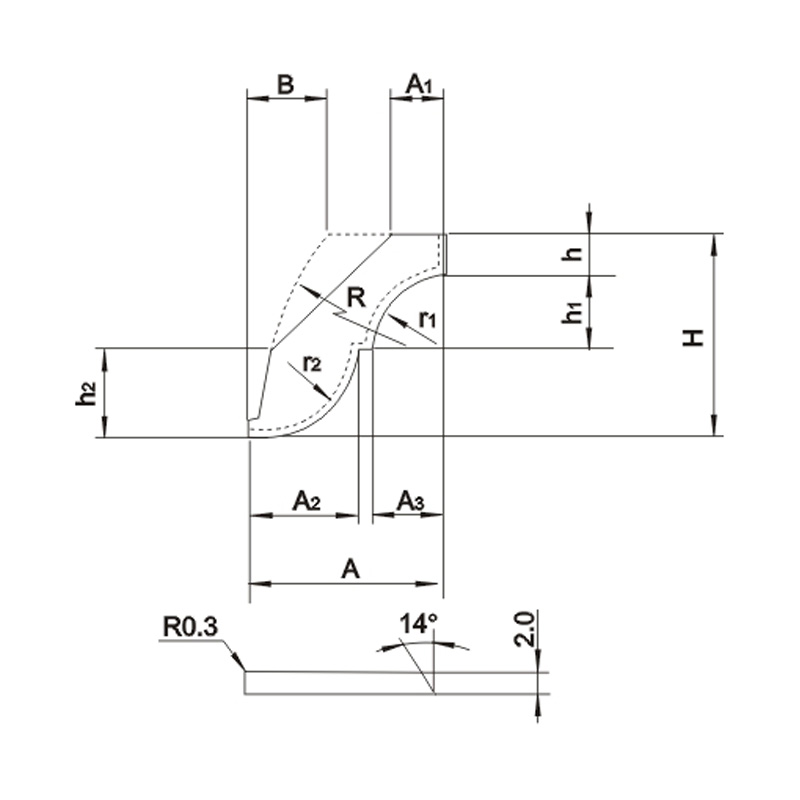
Welcome to our product showcase featuring the Double-Sided Door Panel Edge Profile Cutter Blade! Designed for precision ...
See Details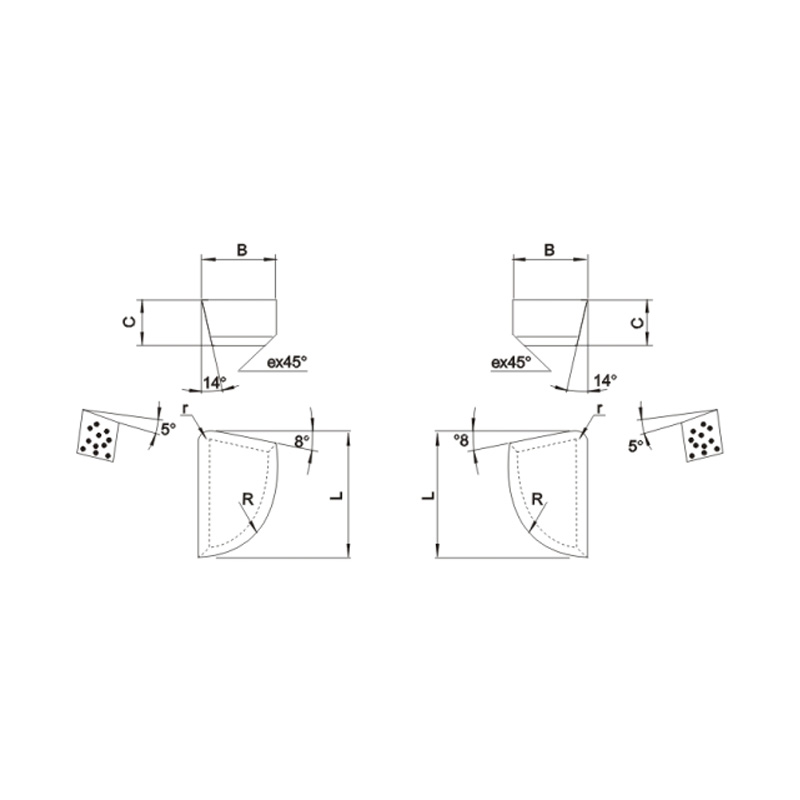
Welcome to our product page showcasing the A3 Type for facing tool and cylindrical turning tool! Designed for precision ...
See Details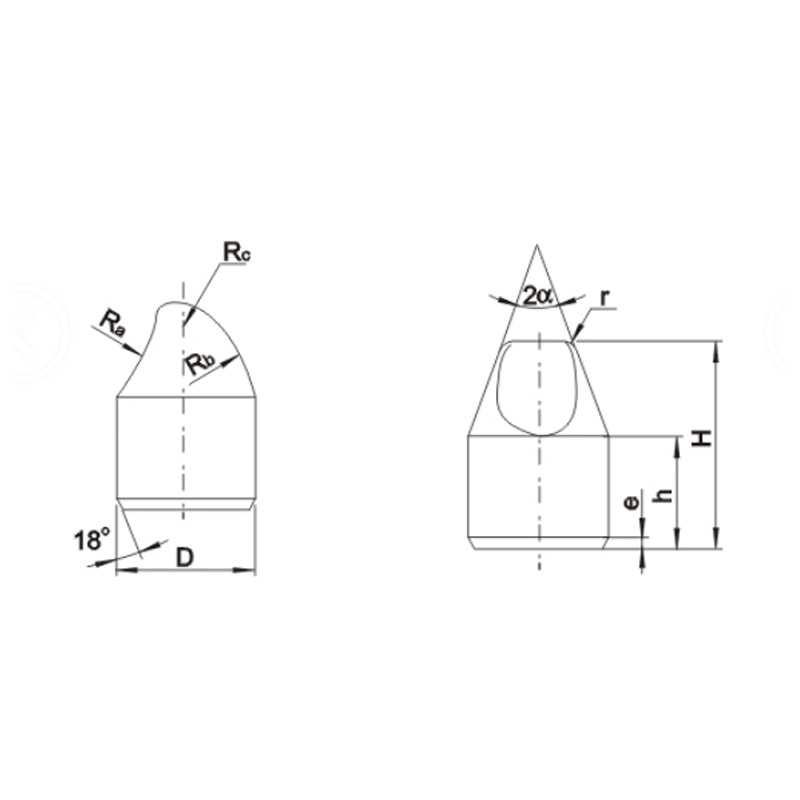
Carbide Inserts DS Type (S type half-round tooth) are precision-engineered cutting tools designed for ideal performance ...
See Details
Contact Us