
 English
 中文简体
中文简体 русский
YG6X 10% cobalt, 14.50 density (g/cm³) cemented carbide tungsten rod
Cat:Carbide Rod Series
Welcome to our grinding supplies company's website, where we proudly present our flagship product, the YG6X Carbide Rod....
See DetailsModern manufacturing environments often require cutting tools that can operate under demanding machining conditions. As production requirements continue to evolve, Cemented Carbide Cutting Tools are increasingly being developed with advanced coating technologies designed to support durability and cutting performance. At the same time, Cemented Carbide Tips remain widely used in applications where wear resistance and reliable operation are important considerations.
The combination of carbide materials and coating technologies has become an important aspect of tool development across many industrial sectors.
The Growing Role of Coatings in Cutting Tools
Cutting tools are regularly exposed to friction, heat, and mechanical stress during machining operations. Over time, these conditions can contribute to wear on tool surfaces and cutting edges.
Coating technologies are commonly applied to carbide tools to help improve surface characteristics and support tool performance. By creating a protective layer on the tool surface, coatings can help reduce direct contact between the cutting tool and the workpiece material.
As manufacturing processes become more specialized, coated carbide tools continue to gain attention in applications involving a variety of metals and engineering materials.
How Coatings Support Tool Performance
Coatings serve several important functions in machining operations. One of their primary purposes is to improve resistance to wear generated during cutting processes.
Another benefit is enhanced heat resistance. Machining operations can produce significant temperatures, particularly when processing hard materials or performing continuous cutting tasks. Coatings can help the tool surface tolerate these conditions more effectively.
In addition, certain coatings can contribute to smoother chip flow and reduced friction during machining. These characteristics may support more stable cutting conditions and consistent production processes.
Common Coating Types Used on Carbide Tools
Titanium Nitride (TiN)
Titanium Nitride is one of the widely recognized coating materials used on cutting tools. It is often selected for applications requiring wear resistance and general machining capability.
Titanium Carbonitride (TiCN)
TiCN coatings are frequently used in operations involving materials that generate significant abrasion. Their surface characteristics make them suitable for various metalworking applications.
Titanium Aluminum Nitride (TiAlN)
TiAlN coatings are commonly applied to carbide cutting tools used in machining environments where elevated temperatures may occur. These coatings are widely utilized across different manufacturing sectors.
Multilayer Coatings
Many modern cutting tools feature multiple coating layers designed to provide a combination of wear resistance, thermal stability, and surface protection. These solutions continue to be developed to address diverse machining requirements.
Applications Across Manufacturing Industries
Coated Cemented Carbide Cutting Tools are used in a broad range of industrial sectors. Automotive component production frequently relies on carbide tooling for machining various metal parts.
In aerospace manufacturing, cutting tools are often required to process materials with demanding machining characteristics. Coated carbide tools are commonly incorporated into these production environments.
General metalworking operations also benefit from carbide tooling solutions. Milling, drilling, turning, and finishing processes often utilize coated tools to support manufacturing efficiency and product quality.
Factors Influencing Coating Selection
Selecting a coating involves evaluating the intended application and machining environment. Different workpiece materials may interact differently with coating surfaces, making application requirements an important consideration.
Production conditions, cutting parameters, and tool geometry can also influence coating selection. Manufacturers often assess these factors when determining which coating technology aligns with specific machining objectives.
Because industrial applications vary significantly, a range of coating solutions continues to be available to meet different operational needs.
Relationship Between Cemented Carbide Cutting Tools and Cemented Carbide Tips
Although coating technologies are frequently associated with machining tools, Cemented Carbide Tips also benefit from advances in carbide material development. Both product categories rely on the fundamental properties of cemented carbide, including hardness and wear resistance.
Carbide tips are commonly used in mining, woodworking, construction, and other applications involving abrasive conditions. Improvements in carbide production methods can contribute to enhanced performance across both cutting tools and wear components.
This connection highlights the broad role of carbide technology throughout modern industry, from precision machining operations to heavy-duty equipment applications.
Future Trends in Coated Carbide Tool Development
The manufacturing sector continues to explore new coating materials and application techniques. Research efforts focus on improving durability, thermal resistance, and compatibility with a wide range of workpiece materials.
As machining requirements continue to evolve, coated carbide tools are expected to remain an important part of industrial production. Cemented Carbide Cutting Tools equipped with advanced coating technologies, together with Cemented Carbide Tips used in wear-intensive environments, will continue to support a variety of manufacturing and engineering applications.
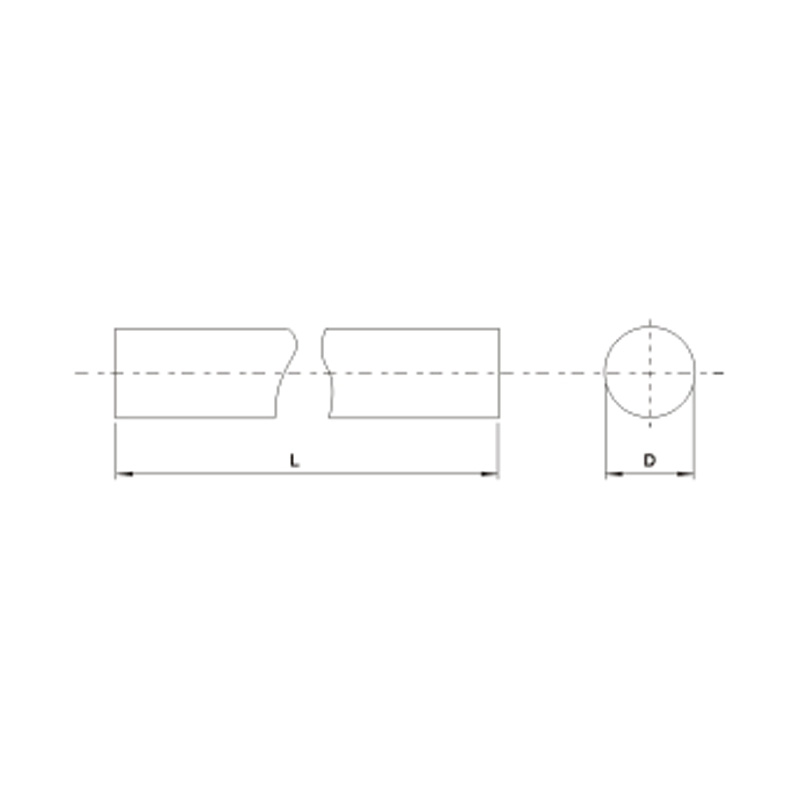
Welcome to our grinding supplies company's website, where we proudly present our flagship product, the YG6X Carbide Rod....
See Details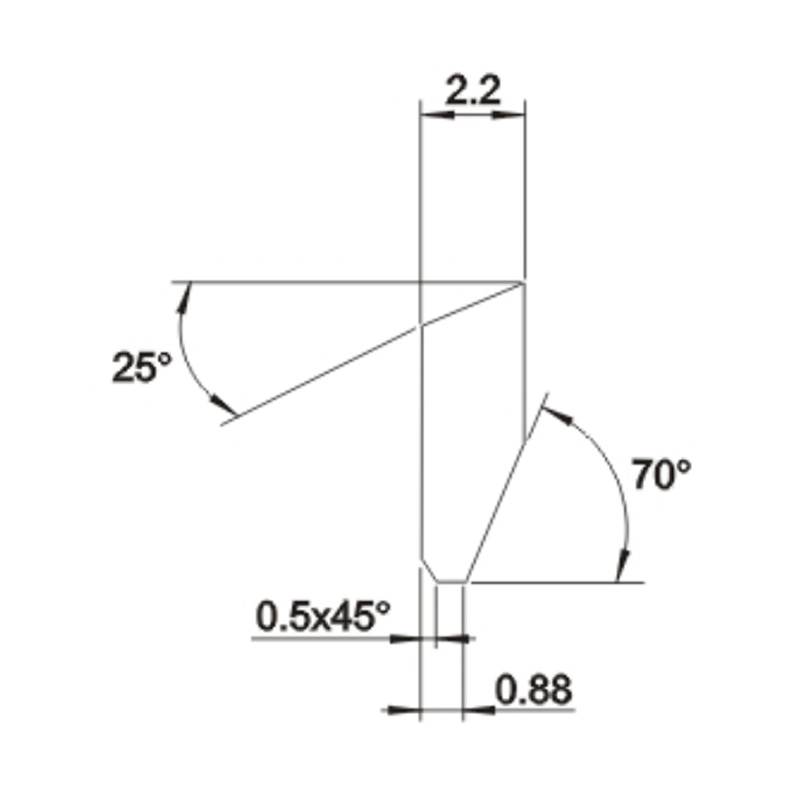
Welcome to our MKW-09 Series Saw Blades product page! Our company takes pride in offering top-of-the-line saw blades eng...
See Details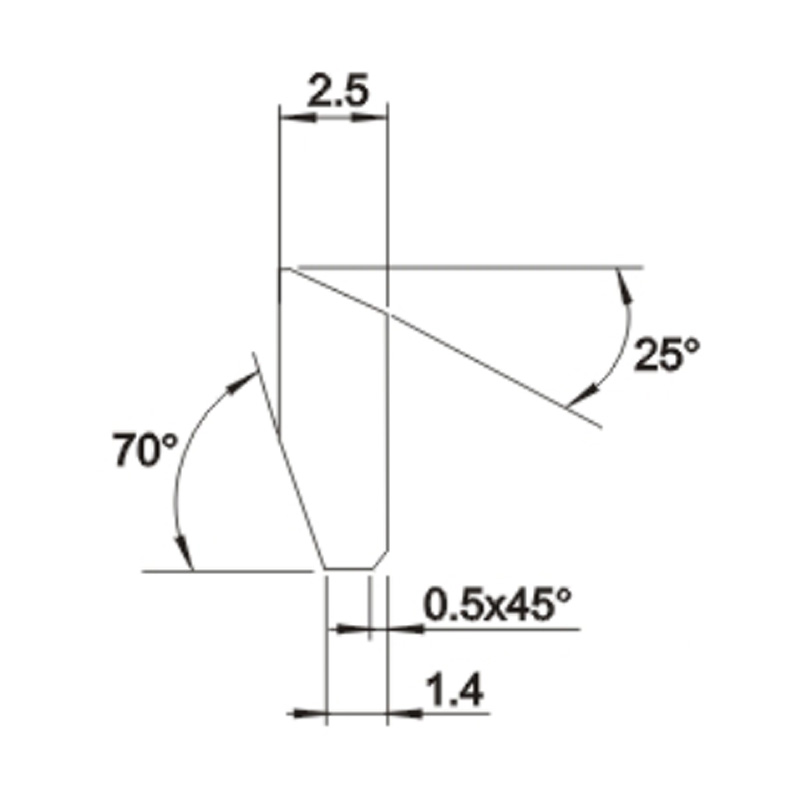
Advantages: 1. Advanced Carbide Tips:- Precision Craftsmanship: The carbide tips featured in the MKW-10 Series Saw Blade...
See Details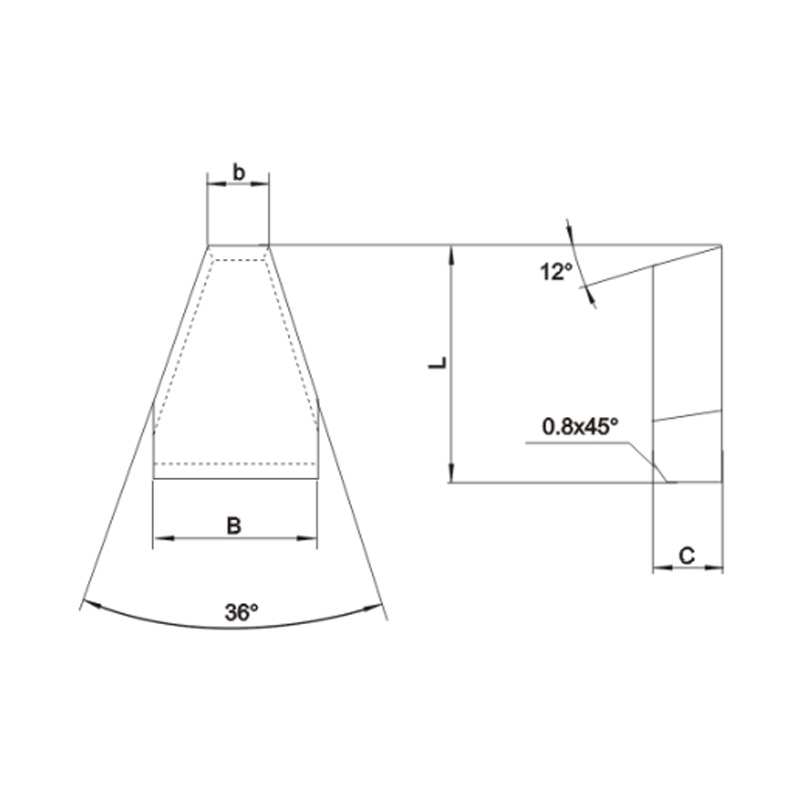
Welcome to our product description for the C4 Type for-processing triangle belt pulley and grooving cutter! This special...
See Details
Welcome to our collection of Face Milling Cutter Blades! These blades are the epitome of precision and efficiency in sur...
See Details
Contact Us