
 English
 中文简体
 русский
Smooth and precise cut Huxi Sideboard Blade
Cat:Cemented Carbide Tips for Woodworking
Welcome to our product page featuring the Huxi Sideboard Blade! Designed for precision cutting, the Huxi sideboard blade...
See DetailsCarbide Burr tools are widely used in metal fabrication, automotive parts production, mold making, and general engineering to remove burrs, smooth edges, and refine component surfaces. However, aluminum machining and other non-ferrous metal applications can present persistent challenges, including chip buildup, uneven finishes, and declining cutting efficiency. For overseas buyers and production engineers, choosing a suitable burr design and controlling operating conditions are practical ways to improve finishing quality. Understanding these factors also helps procurement teams identify products that meet their specific manufacturing requirements.
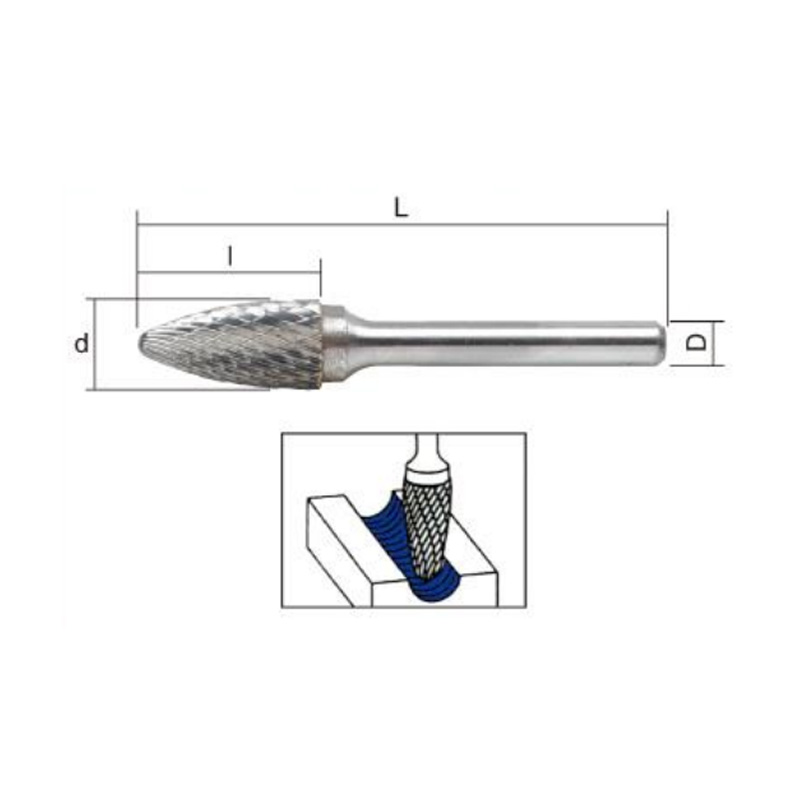
Aluminum is relatively soft and can produce chips that adhere to cutting edges during rotary deburring. As material accumulates on the tool, cutting performance may deteriorate, friction can increase, and the workpiece may develop an inconsistent surface finish.
Using a standard burr designed for other metals may not provide the desired results. Instead, manufacturers should consider the aluminum alloy, component geometry, material removal requirements, and cutting-head design before selecting a tool. Identifying the cause of chip buildup early can help prevent unnecessary tool changes and repeated finishing operations.
Cutting geometry plays an important role in chip evacuation. Aluminum-cut carbide burrs are designed for applications involving aluminum and certain other non-ferrous materials. Their flute geometry can help reduce chip accumulation when the tool is used under appropriate conditions.
When comparing products, buyers should evaluate:
These considerations help purchasing teams specify tools more accurately and reduce the risk of ordering products that are unsuitable for their production processes.
Excessive pressure does not necessarily improve material removal. It can increase friction, raise cutting temperatures, and place additional stress on the tool. Similarly, operating outside the recommended speed range may to unstable cutting or premature wear.
Operators should maintain a steady working motion and allow the cutting edges to perform the work. Avoid holding the burr against one area for an extended period, especially when finishing thin-walled components or heat-sensitive workpieces.
A secure workpiece, compatible collet, and well-maintained rotary tool also contribute to stable operation. Following the manufacturer's instructions helps establish a repeatable process across different operators and production shifts.
Aluminum housings, die-cast parts, and machined components often contain narrow channels, internal corners, and curved surfaces. The wrong head shape can make these areas difficult to reach or increase the risk of removing material from adjacent surfaces.
Cylindrical burrs are suitable for many straight edges and accessible surfaces, while ball-shaped designs support contouring and curved cavities. Flame-shaped burrs can help with selected transitions and detailed profiles. The appropriate choice depends on access, material removal requirements, and dimensional tolerances.
For manufacturers handling multiple component designs, maintaining a selection of suitable burr geometries can simplify tool changes and improve flexibility.
For industrial distributors and production facilities, consistent specifications are essential when sourcing carbide rotary burrs. Differences in head dimensions, concentricity, cutting-edge quality, and shank condition may influence performance and finishing consistency.
Before approving a supplier, buyers should request clear product specifications and evaluate samples on representative workpieces. It is also useful to confirm available cut types, head shapes, packaging options, and quality inspection procedures. These checks support more informed purchasing decisions and help reduce compatibility issues after delivery.
As a manufacturer, we recommend assessing tool performance under actual working conditions rather than relying on appearance or unit price alone.
Consistent deburring depends on suitable tooling, correct operating parameters, and regular inspection. Recording successful settings for recurring jobs can help production teams reproduce results and identify performance changes before they affect product quality.
When sourcing a Carbide Burr, buyers should communicate the workpiece material, target finish, application, and machine specifications clearly. This information helps suppliers recommend suitable products and supports a more reliable finishing process, from prototype development to routine production.
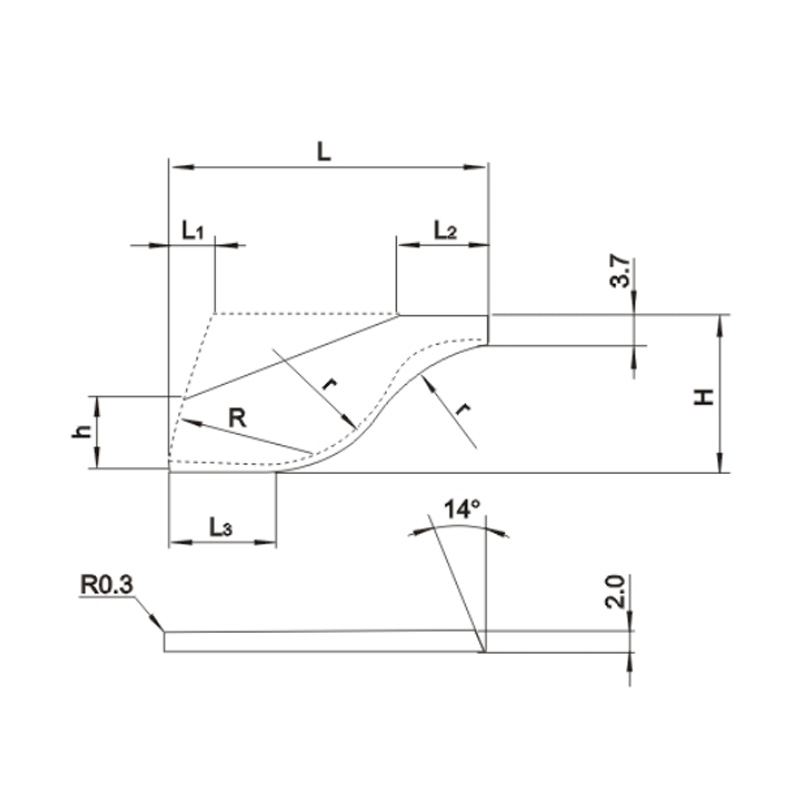
Welcome to our product page featuring the Huxi Sideboard Blade! Designed for precision cutting, the Huxi sideboard blade...
See Details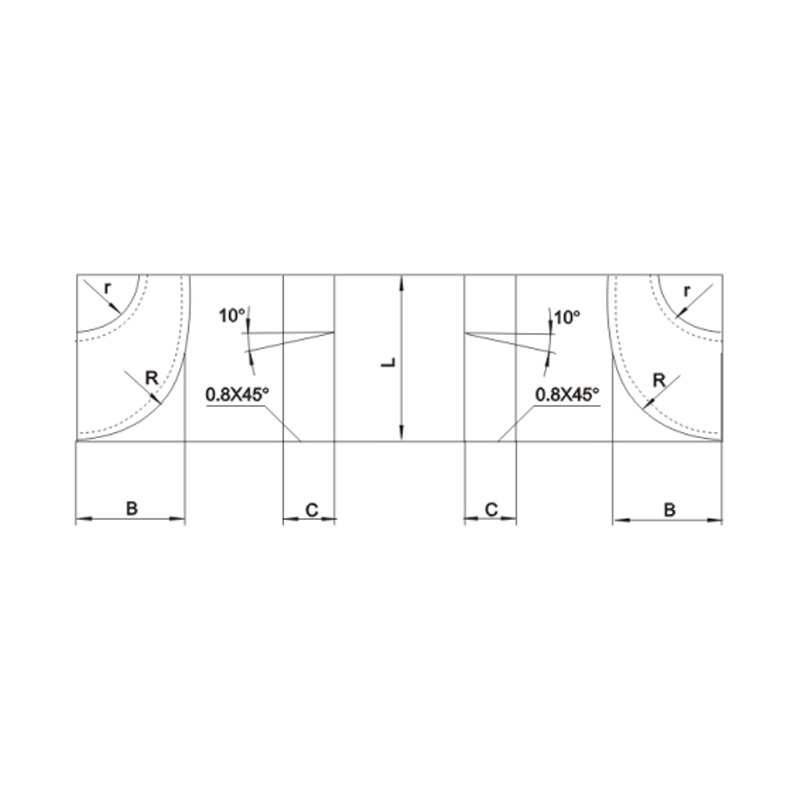
Welcome to our product page featuring the B3 Type Convex Circular Arc Shaping Turning Tool. Designed to meet the needs o...
See Details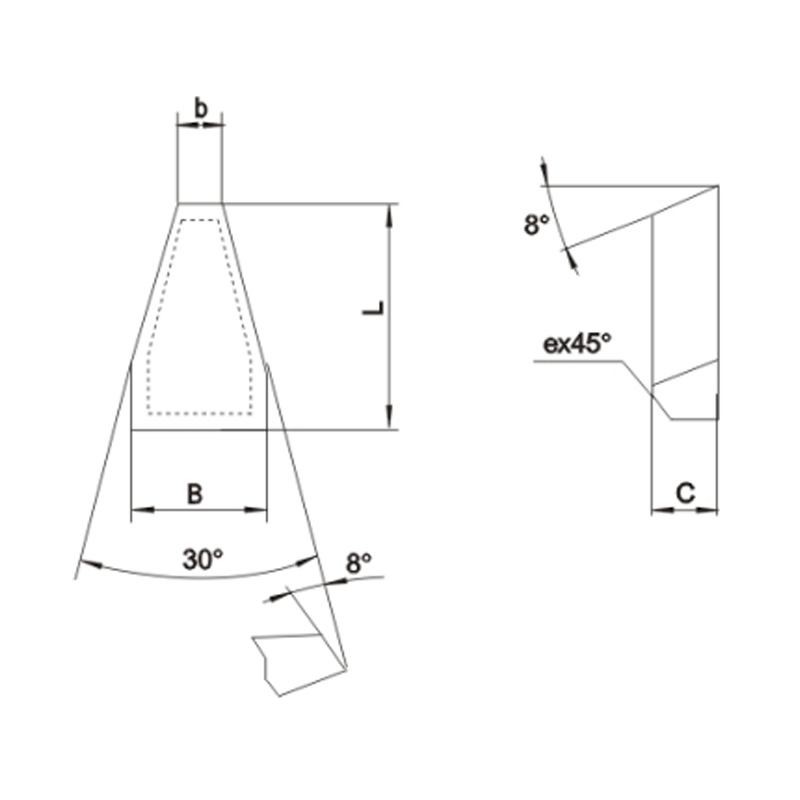
Welcome to our product description for the C2 Type turning tool, specially designed for refined turning and ladder screw...
See Details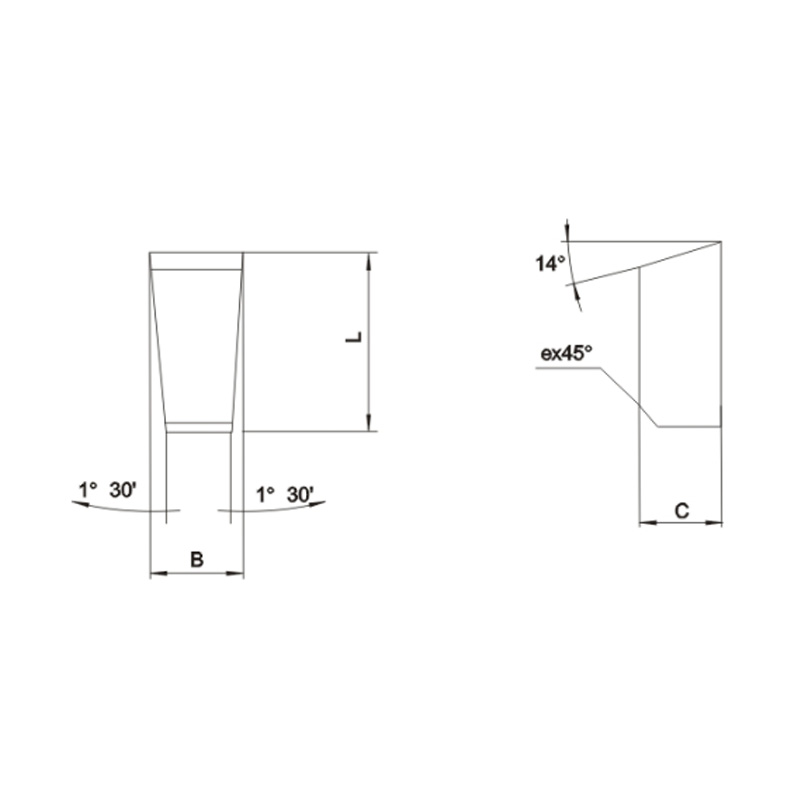
Welcome to our product page featuring the C3 Type for cutoff tool and grooving cutter! Our company specializes in provid...
See Details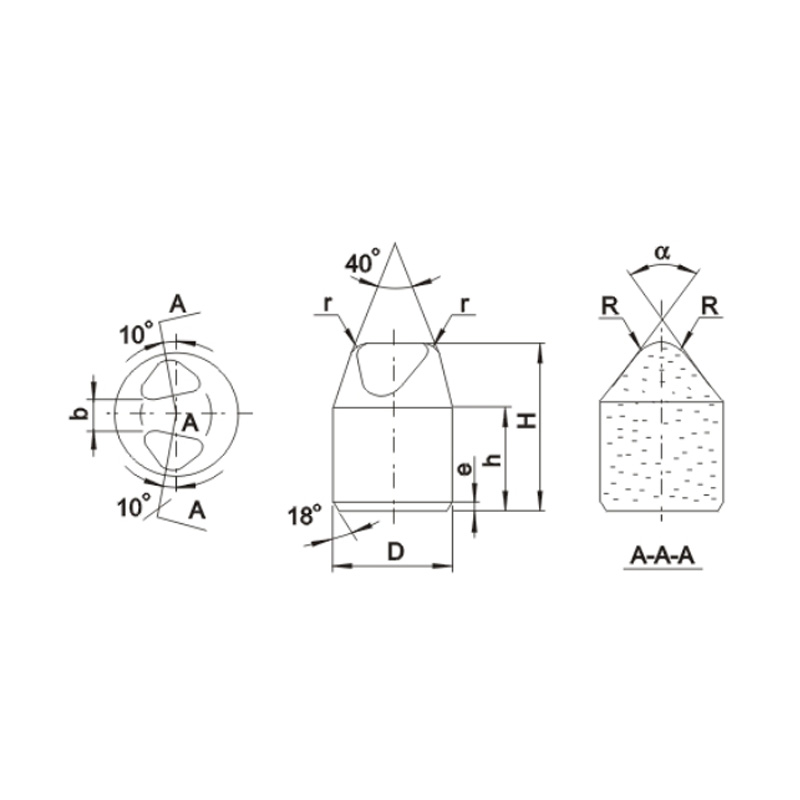
Carbide Inserts DB Type, featuring the B Type Edge-Wedge Tooth design, are a cutting-edge solution tailored for precisio...
See Details
Contact Us