
 English
 中文简体
 русский
MKW-12 series saw blades combine precision and durability
Cat:Cemented Carbide Tips for Woodworking
Elevate your woodworking experience with our MKW-12 Series Saw Blades, meticulously crafted to meet the demands of high-...
See DetailsAs industrial manufacturers face increasing demands for wear resistance, dimensional consistency and reliable component performance, material selection has become an important part of production planning. Carbide Flats are widely used in tooling, precision engineering, metalworking and wear-resistant components because cemented carbide combines high hardness with strong resistance to abrasion. However, choosing a suitable flat carbide bar involves more than checking its dimensions. Buyers and engineers also need to consider carbide grade, operating conditions, machining requirements and surface quality. Understanding these factors can help reduce processing difficulties and avoid material mismatches in production.
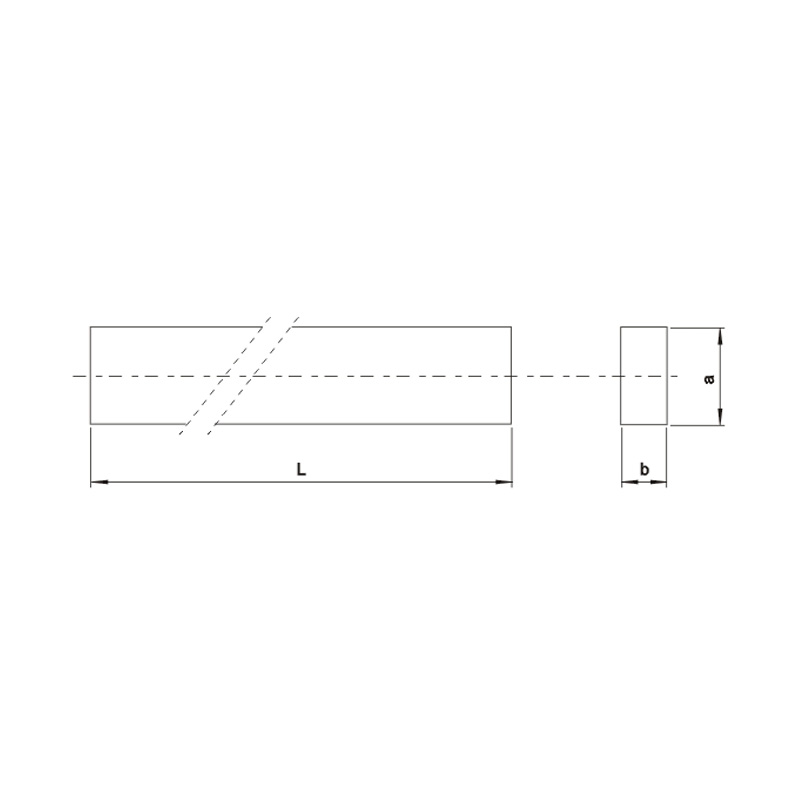
One common mistake in carbide material selection is choosing a grade based only on hardness. Although high hardness helps resist abrasive wear, it does not automatically mean the material will perform well under every working condition.
Tungsten carbide grades contain different proportions of carbide particles and metallic binders, creating different combinations of hardness and toughness. For example:
As a manufacturer, we recommend evaluating the actual operating environment before selecting a carbide grade rather than relying on a single material property.
For buyers sourcing tungsten carbide flat bars, dimensional consistency directly affects subsequent machining and assembly. Variations in thickness, width or straightness can create additional grinding work and make it difficult to achieve the required component dimensions.
Surface finish also deserves attention. Depending on the application, customers may require ground or unground carbide flats. Ground surfaces can reduce additional preparation work when tighter dimensional control is needed, while unground materials may suit applications involving further machining.
Before placing an order, engineers should confirm:
Clear specifications help manufacturers evaluate production requirements and reduce misunderstandings during delivery.
Tungsten supply has become an important concern for carbide buyers in international markets. Industry reports in 2026 have highlighted supply restrictions, material price fluctuations and growing interest in carbide recycling. These developments are encouraging manufacturers to pay closer attention to raw material sourcing and inventory planning.
For companies purchasing Carbide Flats in bulk, a low initial quotation should not be the only consideration. Buyers should also evaluate material consistency, production arrangements, delivery schedules and the supplier's ability to maintain stable specifications across repeat orders.
Discussing expected demand and delivery requirements in advance can help both parties plan production more effectively.
Carbide flats are used in different industrial environments where hardness, wear resistance and dimensional stability are required. Their applications include:
The required grade and dimensions depend on the specific function of each component.
From a manufacturing perspective, reliable Carbide Flats production requires attention to material preparation, pressing, sintering, grinding and inspection. Problems at any stage can affect the final product's dimensional accuracy and consistency.
When evaluating a supplier, buyers should ask about carbide grade options, available dimensions, grinding capabilities, inspection procedures and customization support.
Providing technical drawings, samples or application details also helps manufacturers assess whether the requested material and specifications are suitable for the intended use.
Standard dimensions may not always fit specialized tooling or equipment designs. Custom tungsten carbide flats can help customers reduce unnecessary material removal and simplify subsequent processing.
As a manufacturer, we consider material grade, dimensions, tolerances and surface requirements together when reviewing customized orders. This approach helps establish clearer technical specifications before production begins and supports consistent quality during repeat manufacturing.
As industrial buyers place greater emphasis on material efficiency, supply reliability and component performance, selecting suitable Carbide Flats requires a closer understanding of both manufacturing processes and actual operating conditions. By evaluating carbide grades, dimensional requirements, surface finish and supplier capabilities together, engineers and purchasing teams can make more informed sourcing decisions and obtain materials that better match their production needs.
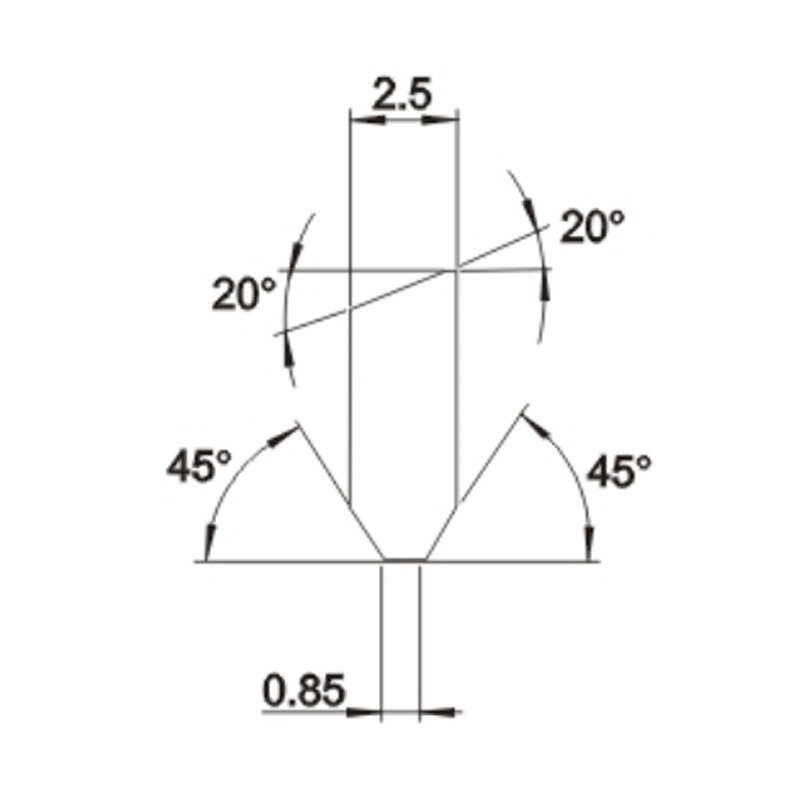
Elevate your woodworking experience with our MKW-12 Series Saw Blades, meticulously crafted to meet the demands of high-...
See Details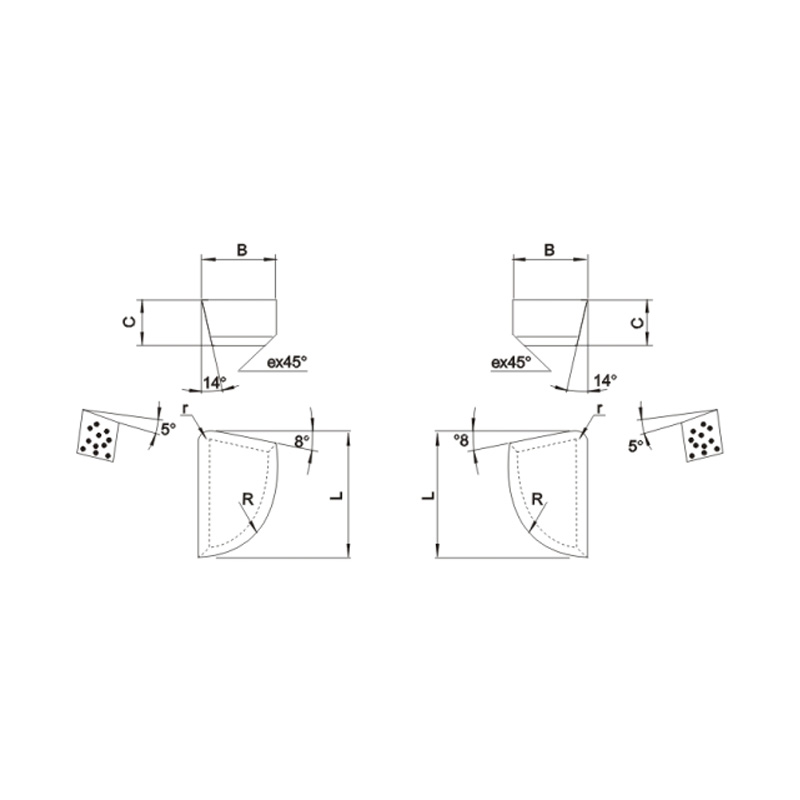
Welcome to our product page showcasing the A3 Type for facing tool and cylindrical turning tool! Designed for precision ...
See Details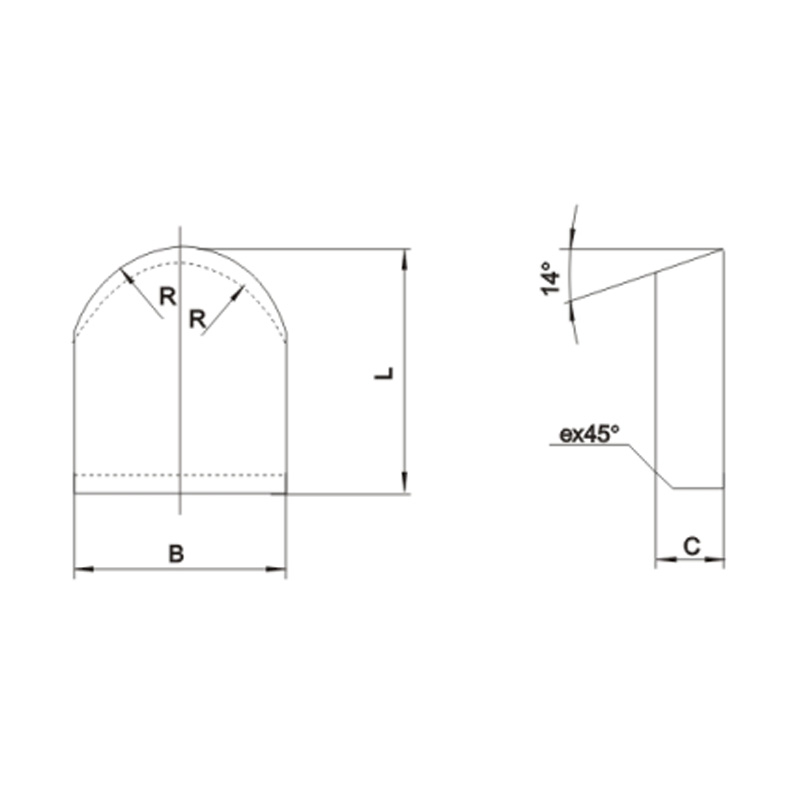
Welcome to our product page featuring the B2 Type for concave circular arc shaping turning tool and flange turning tool!...
See Details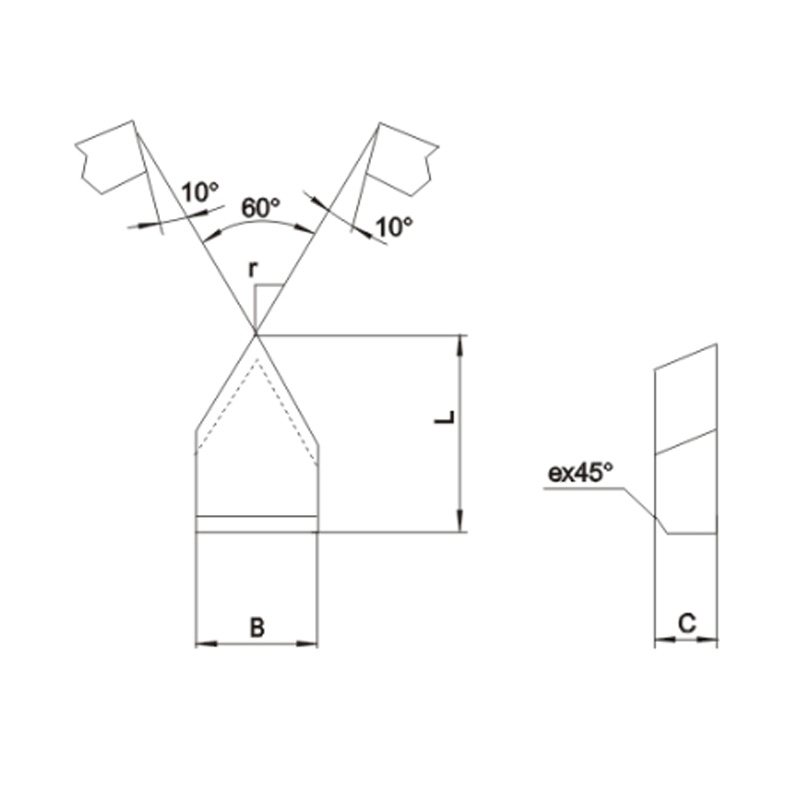
Welcome to our product spotlight on the C1 Type for screw turning tool and cylindrical refined turning tool. Designed fo...
See Details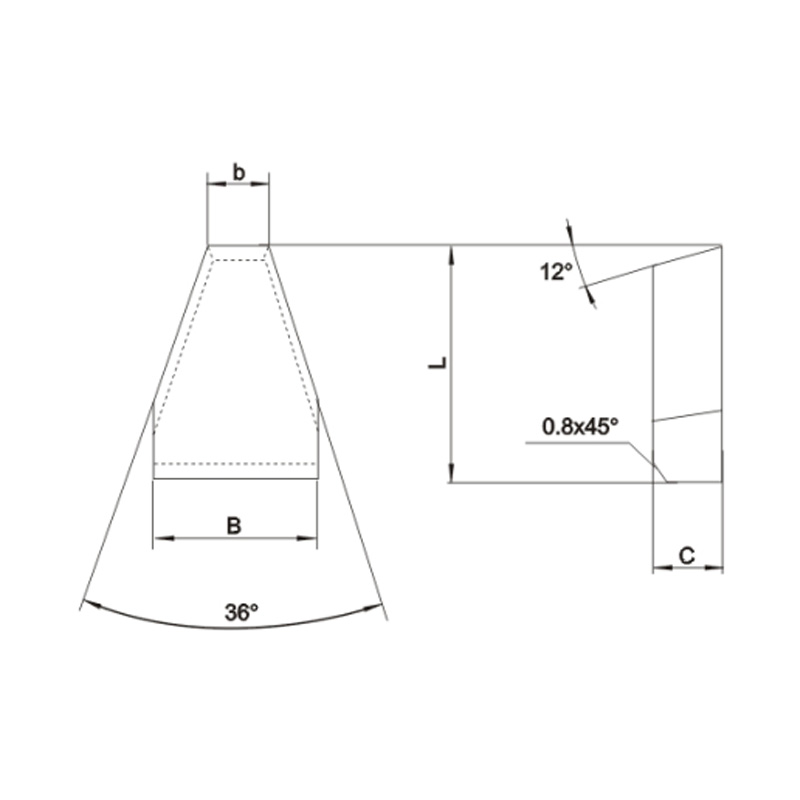
Welcome to our product description for the C4 Type for-processing triangle belt pulley and grooving cutter! This special...
See Details
Contact Us