Moving Beyond Standard Solutions in Material Selection
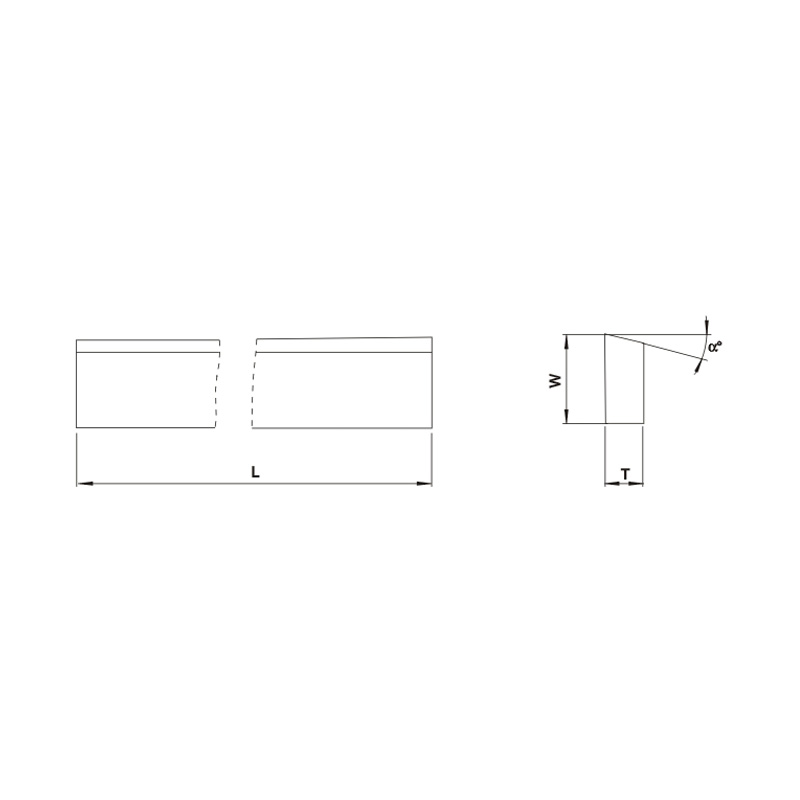
As engineering challenges become more specific, the limitations of off-the-shelf material solutions become more apparent. In fields ranging from specialized tooling to corrosive chemical processing, a single grade or a fixed set of sizes may not align with the unique demands of an application. This gap between standard offerings and project-specific needs has directed attention toward suppliers who provide adaptable solutions. For components utilizing carbide, this means a growing interest in Carbide Flats that can be tailored in both their material composition and physical dimensions, allowing for a more precise match between material properties and functional requirements.
The Value of Tailored Material Composition
The performance of carbide is not monolithic; it varies significantly with its microstructure and chemistry. The ability to customize these parameters is a powerful tool for engineers. A common adjustment involves the ratio and size of the tungsten carbide grains within the cobalt binder. Finer grains generally support a harder, more wear-resistant material suitable for finishing operations, while a coarser structure can offer improved toughness for applications involving intermittent impact. Beyond this, the composition can be modified by adding secondary carbides, such as titanium carbide (TiC) or tantalum carbide (TaC), which can influence properties like thermal deformation resistance or chemical inertness.
This customization allows for problem-solving in niche applications. For instance, a component operating in a wet, chemically aggressive environment might require a carbide grade with a tailored binder composition and added chromium carbide to better resist corrosion. Another application involving high-temperature exposure might benefit from specific grain stabilizers to maintain hardness. The capacity to specify these details transforms Carbide Flats from a commodity into a designed material element.
Advantages of Flexible Sizing and Near-Net Shapes
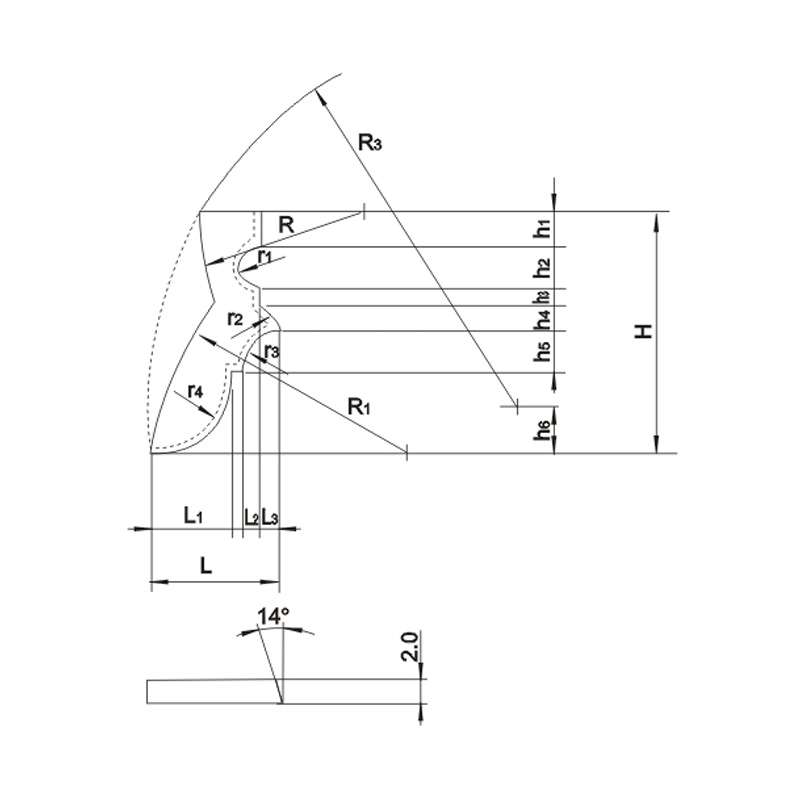
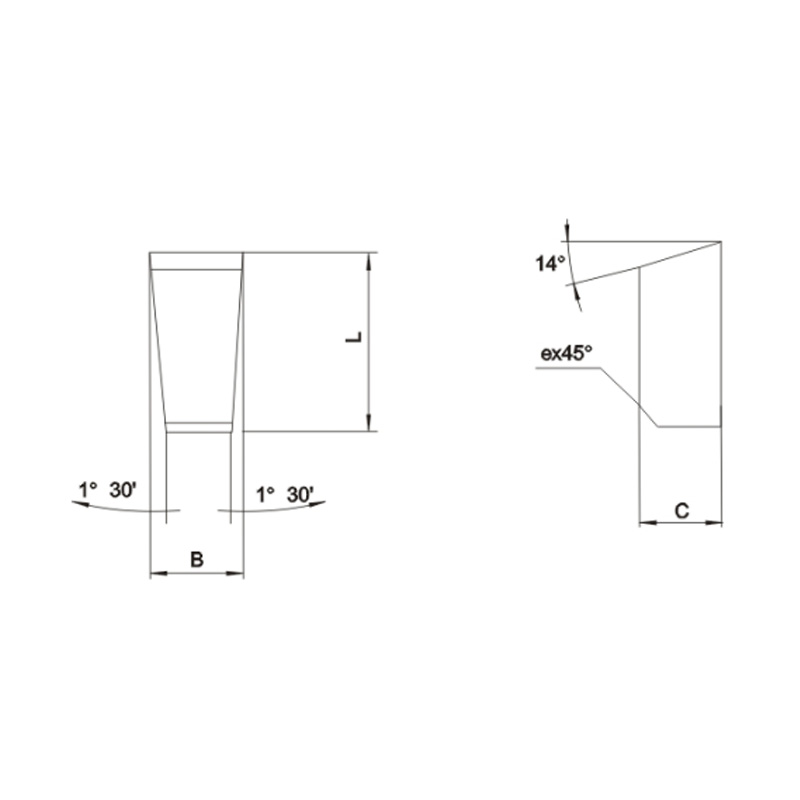
Alongside material composition, the physical form of the supplied Carbide Flats is a significant factor. Standard stock sizes often require extensive machining to reach a final part geometry, resulting in material waste and added processing time and cost. The availability of flexible sizing options—such as thinner gauges, wider widths, or lengths cut to specific requirements—provides a clear advantage. Even more beneficial is the supply of blanks in near-net shapes, which are much closer to the final component dimensions.
This flexibility delivers several practical benefits. It reduces the amount of expensive raw material that is removed as scrap during fabrication. It can shorten advance times for finished parts by decreasing the required machining hours. For toolmakers and machine shops, it means they can start with a blank that is more efficient to process, allowing them to focus their efforts on achieving the final precision geometry rather than on bulk material removal.
Navigating the Customization Process
Engaging with a supplier for custom Carbide Flats typically involves a collaborative discussion. It begins with a clear definition of the application: the operating environment, the types of stresses (abrasion, impact, corrosion, temperature), and the required mechanical properties. The supplier’s technical team can then propose a material grade that aligns with these conditions. Concurrently, drawings or specifications for the desired blank size or shape are reviewed to determine the lots of efficient production route. This process often includes the provision of sample material for testing and validation before full-scale production commences.
Customization as a Pathway to Application Success
The interest in customizable Carbide Flats underscores a move toward more nuanced and effective material selection in engineering. It acknowledges that the good results are often achieved when the material is not just adopted, but adapted. For designers and engineers working on advanced applications, the possibility to specify both the internal structure and the external form of their carbide components removes constraints and opens new avenues for design. This collaborative, specification-driven approach to procuring Carbide Flats is likely to become a more common practice as industries continue to push the boundaries of performance in their respective fields.

 English
 中文简体
中文简体 русский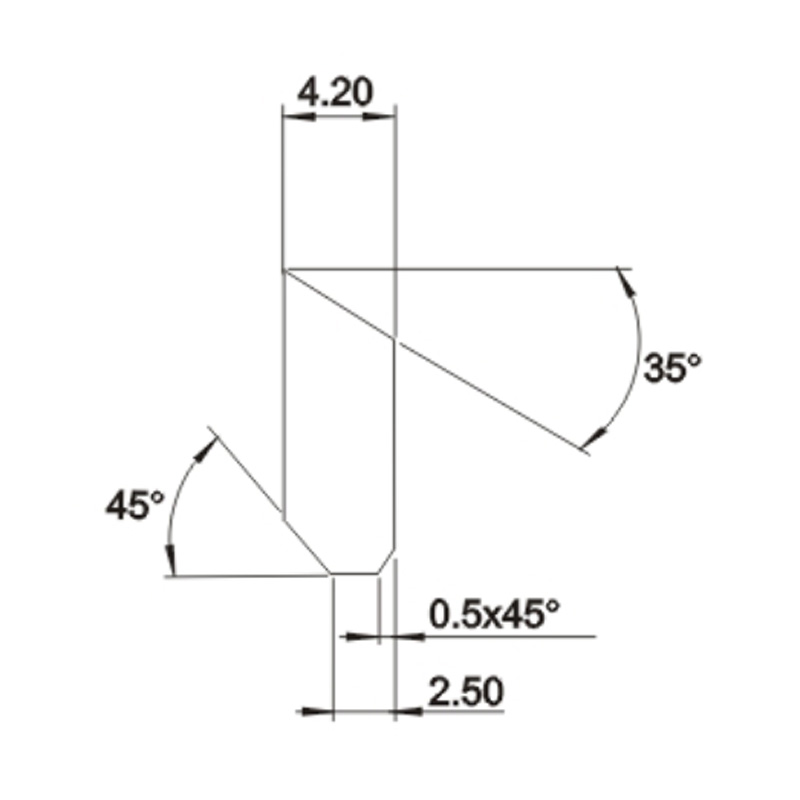

Contact Us