
 English
 中文简体
中文简体 русский
YG6X 10% cobalt, 14.50 density (g/cm³) cemented carbide tungsten rod
Cat:Carbide Rod Series
Welcome to our grinding supplies company's website, where we proudly present our flagship product, the YG6X Carbide Rod....
See DetailsCarbide Rod plays a significant role in modern industrial manufacturing, serving as a foundational material across a wide range of production environments. Its physical characteristics and adaptability allow it to support manufacturing processes that demand durability, consistency, and long-term operational stability. As industries continue to evolve toward more precise and reliable production methods, carbide-based materials remain a practical choice for manufacturers seeking dependable performance under demanding conditions.
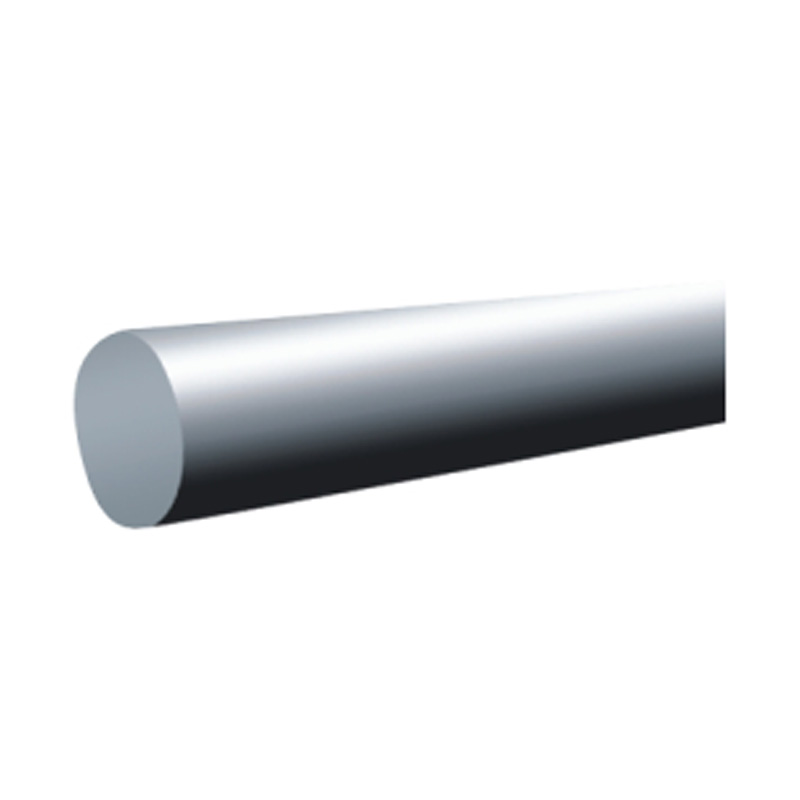
In industrial manufacturing, material selection directly influences production efficiency and component reliability. Carbide Rod is commonly used as a base material for tooling and structural elements that must endure continuous mechanical interaction. Its ability to maintain form and function during extended use makes it suitable for environments where repeated contact, pressure, and motion are present.
Manufacturers often rely on carbide rods when producing tools that require dimensional consistency. These rods serve as a stable starting point for shaping, grinding, and finishing operations. Their uniform structure supports predictable outcomes, which is especially valuable in industrial workflows that prioritize repeatability.
Carbide rods are applied across many manufacturing sectors. In metalworking environments, they are frequently used to produce cutting and shaping tools that interact directly with raw materials. Their resistance to surface degradation allows these tools to maintain operational reliability during ongoing production cycles.
In automotive manufacturing, carbide rods are often incorporated into tooling systems that support component fabrication. The material’s ability to withstand friction and pressure helps maintain tooling integrity during repetitive tasks. Similarly, in aerospace-related manufacturing, carbide rods contribute to tooling solutions where consistency and material stability are critical.
Mold and die manufacturing also benefits from carbide rod usage. Tooling components made from carbide-based materials support precise shaping processes and help maintain surface accuracy across repeated cycles. These applications highlight the versatility of carbide rods within diverse industrial contexts.
One of the key advantages of using carbide rods in industrial manufacturing lies in their suitability for continuous operation. Manufacturing environments often involve extended production runs where materials are exposed to constant mechanical stress. Carbide rods help reduce the frequency of tool adjustments and replacements, supporting smoother workflow continuity.
Their structural stability contributes to consistent output quality. When tools retain their shape and performance characteristics, manufacturers experience fewer interruptions and improved process control. This reliability aligns well with modern manufacturing strategies focused on efficiency and waste reduction.
While carbide rods are widely applicable, selecting the appropriate rod type depends on the specific manufacturing process. Factors such as the nature of material contact, operational conditions, and tooling design all influence suitability. Manufacturers often evaluate carbide rods based on how well they align with intended use rather than adopting a one-size-fits-all approach.
Understanding application-specific requirements allows manufacturers to integrate carbide rods more effectively into their production systems. This strategic selection helps ensure that tooling components perform reliably throughout their service life.
As manufacturing technologies continue to advance, carbide rods remain relevant due to their adaptability and dependable performance. Their use across traditional and evolving industries demonstrates their value as a practical material solution. By supporting stable and efficient production processes, carbide rods continue to play an important role in industrial manufacturing environments.
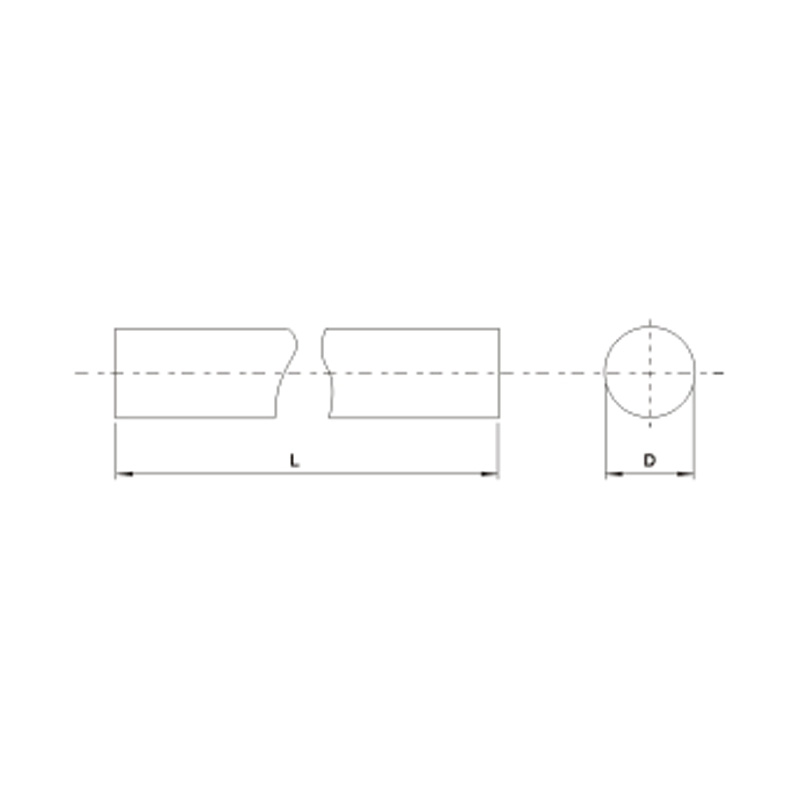
Welcome to our grinding supplies company's website, where we proudly present our flagship product, the YG6X Carbide Rod....
See Details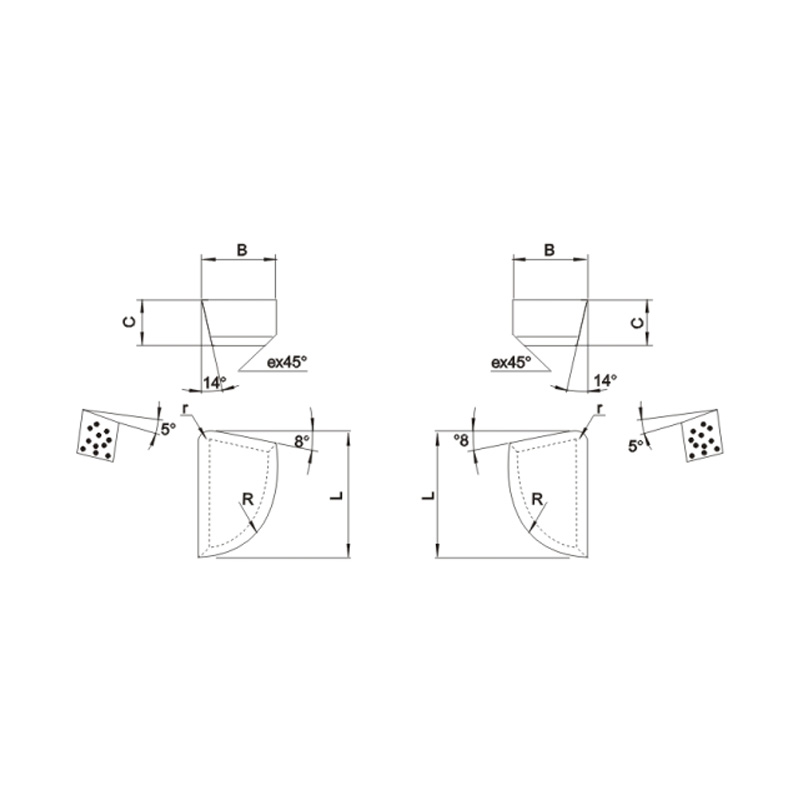
Welcome to our product page showcasing the A3 Type for facing tool and cylindrical turning tool! Designed for precision ...
See Details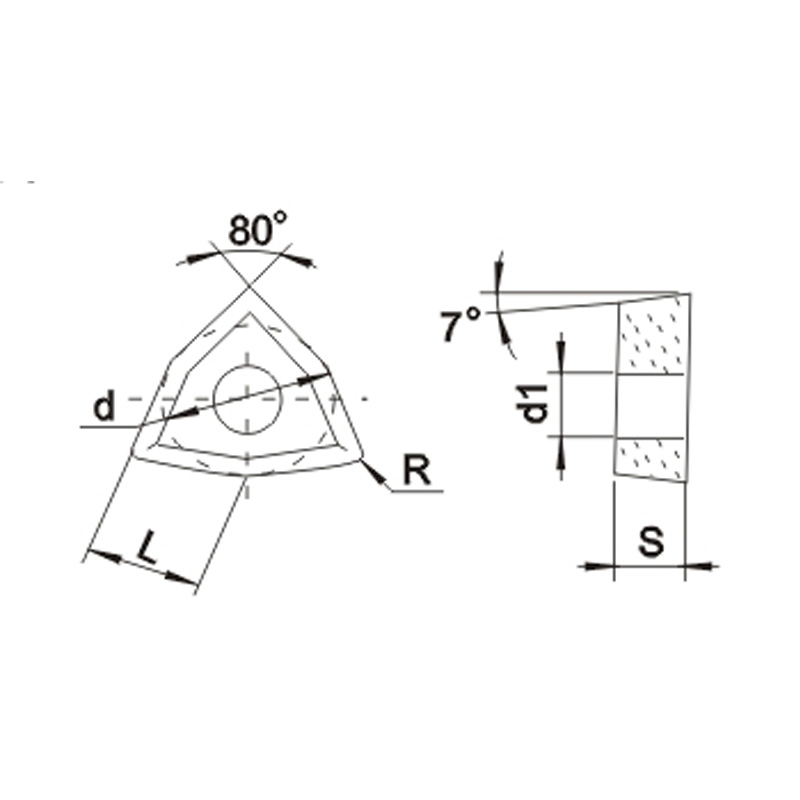
Welcome to our product page featuring the Shallow Hole Drilling Cutter Blades! Designed specifically for shallow hole ma...
See DetailsWelcome to our product page featuring the SFCN Milling Cutter Blades! Our company takes pride in offering high-quality m...
See Details
At our grinding tool supply company, we take pride in offering top-of-the-line products tailored to meet the demanding n...
See Details
Contact Us