Hard Metal Cutting Tools are widely applied in modern machining environments where stability, durability, and consistency are required across repeated cutting operations. These tools are commonly produced from hard metal materials derived from Carbide Flats, which serve as the fundamental raw form before shaping and finishing. While hard metal tools are valued for their resistance to wear and heat, usage challenges still occur during daily machining tasks. Understanding the common issues, wear mechanisms, and factors influencing tool life is essential for achieving reliable cutting performance over time.
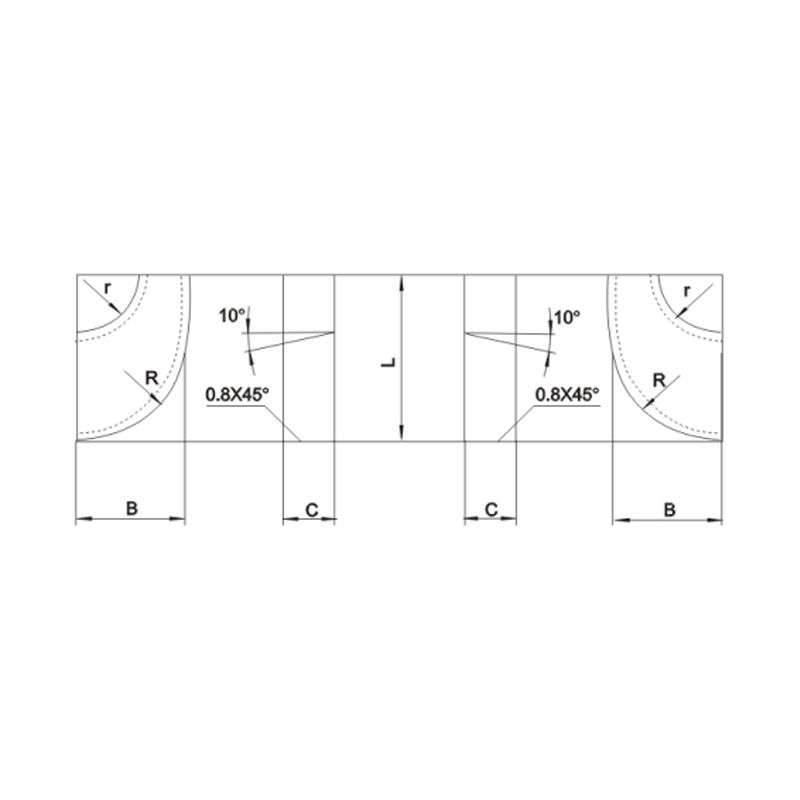
Common Usage Issues in Daily Machining
One frequent issue encountered during machining is improper matching between cutting conditions and tool material characteristics. Hard metal tools produced from Carbide Flats are designed to operate under specific mechanical and thermal conditions. When cutting parameters are not aligned with material behavior, premature wear or surface damage may appear.
Another usage issue involves inconsistent workpiece materials. Variations in hardness, internal stress, or surface condition can cause uneven loading on the cutting edge. Even when Carbide Flats provide a stable base material, finished tools remain sensitive to sudden changes in cutting resistance.
Tool handling and installation also play an important role. Improper clamping, misalignment, or contamination on tool holders may result in uneven force distribution. These factors can create localized stress points that accelerate tool degradation.
Main Causes of Tool Wear
Wear in Hard Metal Cutting Tools develops through multiple mechanisms, often acting simultaneously. Abrasive wear occurs when hard particles within the workpiece gradually remove material from the cutting edge. This type of wear is closely related to the microstructure of Carbide Flats, including grain bonding and overall density.
Adhesive wear may arise when workpiece material adheres to the cutting edge during high-friction contact. Over time, repeated adhesion and separation can weaken edge integrity. Carbide Flats with stable bonding characteristics help reduce this effect by maintaining consistent surface properties.
Thermal fatigue is another major contributor to wear. Repeated heating and cooling cycles generate internal stress within the tool material. Even though Carbide Flats offer strong resistance to thermal deformation, abrupt temperature fluctuations can still promote microcrack formation.
Influence of Wear on Tool Life
Tool life is directly affected by how wear progresses during operation. Gradual flank wear may allow continued use until surface quality declines, while sudden edge chipping can require immediate tool replacement. The quality of Carbide Flats used during manufacturing influences how evenly wear develops across the cutting edge.
Uniform wear patterns often indicate balanced cutting conditions and appropriate tool selection. In contrast, irregular wear signals underlying process issues that may shorten tool life unnecessarily. Monitoring wear behavior provides valuable insight into both tool material performance and machining setup.
The service life of Hard Metal Cutting Tools is not determined by a single factor. It results from a combination of correct application, machine tool condition, and the inherent capabilities of the tool itself. A fundamental part of that tool capability is locked in at the very beginning: the quality and suitability of the carbide flat used in its production. By developing an awareness of how this core material influences performance, users can move beyond simply replacing tools and begin to diagnose issues more effectively. This understanding supports more productive conversations with suppliers and leads to the selection of tools with a material foundation that matches the demands of the work, contributing to more predictable outcomes and stable machining processes.
Hard Metal Cutting Tools rely on the inherent properties of Carbide Flats to deliver stable cutting performance. Usage issues, wear mechanisms, and tool life are closely interconnected and influenced by cutting conditions, material behavior, and handling practices. By understanding these relationships, machining operations can maintain consistent productivity while supporting longer service intervals for cutting tools.

 English
 中文简体
中文简体 русский

Contact Us