
 English
 中文简体
中文简体 русский
High hardness, high toughness cemented carbide flat steel
Cat:Cemented Carbide Flats
Welcome to our Cemented Carbide Flats section, where we take pride in offering top-quality carbide products designed to ...
See DetailsThe performance of a solid carbide cutting tool during operation is fundamentally linked to the properties of the carbide rod from which it was fabricated. While tool geometry and coatings are significant, they are applied upon a base material whose inherent characteristics set the boundaries for the tool's functionality.
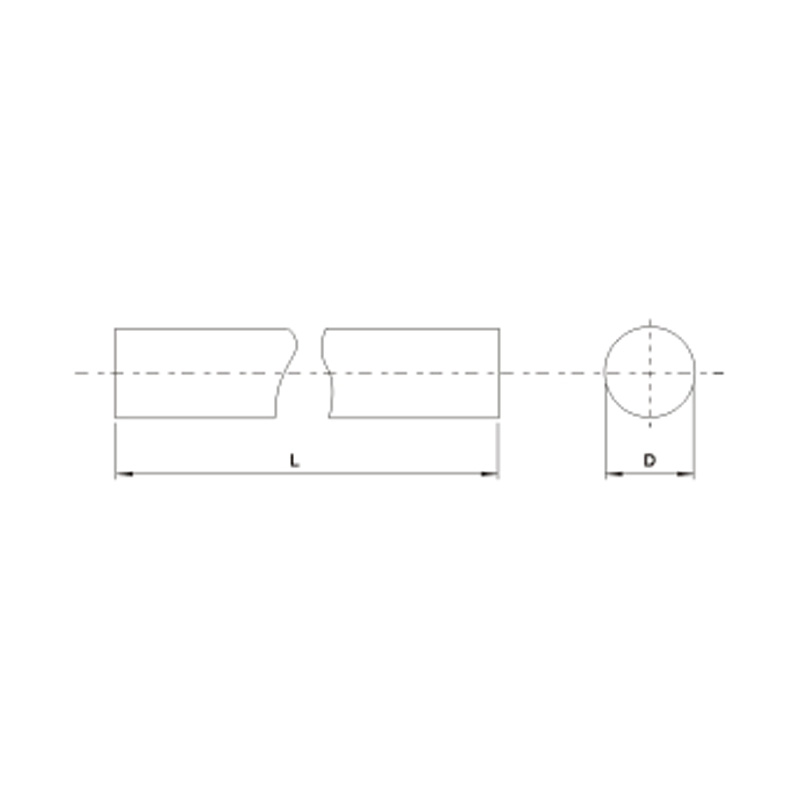
A primary reason for selecting carbide for tools is its substantial hardness, which directly relates to its ability to resist wear. During cutting, the tool edge is subjected to abrasive wear from workpiece materials and adhesive wear from chip welding. A carbide rod with a high hardness rating will generally exhibit slower flank wear and crater wear. This property helps maintain the tool's cutting-edge geometry for a longer duration, supporting consistent part dimensions and surface finish over the tool's life. The hardness is influenced by the tungsten carbide grain size and the volume of the cobalt binder phase.
While hardness resists wear, toughness enables a tool to withstand the shocks and impacts inherent in machining, especially during interrupted cuts or when machining materials with inconsistencies. This property, often measured as transverse rupture strength, indicates the material's ability to absorb energy without fracturing. A carbide rod formulated with greater fracture resistance is less prone to chipping or catastrophic failure at the cutting edge. This makes such grades a practical consideration for roughing operations, unstable setups, or machining materials that create segmented chips.
In material science, increasing one property often involves a trade-off with another. For carbide rods, there is a general relationship between hardness and fracture resistance. Compositions formulated for elevated hardness may, as a consequence, have reduced toughness. Conversely, grades designed for improved impact resistance might show lower hardness ratings. This balance is managed through the composition and sintering process. Selecting a carbide rod requires understanding which property is more critical for a specific machining application to find a functional compromise.
Advances in powder processing have enabled the production of carbide rods with sub-micron or ultra-fine grain structures. These micro-grain carbides can alter the traditional balance of properties. They often provide both increased hardness and improved fracture resistance compared to conventional grain-sized materials at the same binder content. This makes them a consideration for applications requiring a combination of edge sharpness, wear resistance, and reliability, such as finishing hardened steels or machining aerospace alloys.
Machining generates heat. The ability of the carbide rod material to retain its hardness and resist plastic deformation at elevated temperatures is its hot hardness. This property helps prevent the cutting edge from deforming under thermal load. Additionally, chemical inertness or diffusion resistance can be important when machining materials that tend to react with the tool material at high temperatures, affecting wear mechanisms.
These material properties collectively determine how a tool behaves. A rod with high wear resistance leads to predictable, gradual tool wear. Good fracture resistance results in fewer unscheduled tool changes due to chipping. Adequate hot hardness allows for the use of practical cutting speeds. Therefore, specifying the carbide rod is not merely about choosing a material; it is about defining the potential performance envelope of the cutting tool that will be made from it.
In summary, the functional outcome of a carbide tool is deeply rooted in the properties of its base rod. Understanding the connection between material characteristics like hardness, toughness, and thermal stability and their effect on tool life, process reliability, and machined part quality is essential. This knowledge allows for a more informed selection of carbide rod grades, aligning the base material's capabilities with the specific demands of the machining operation to achieve consistent and dependable results.
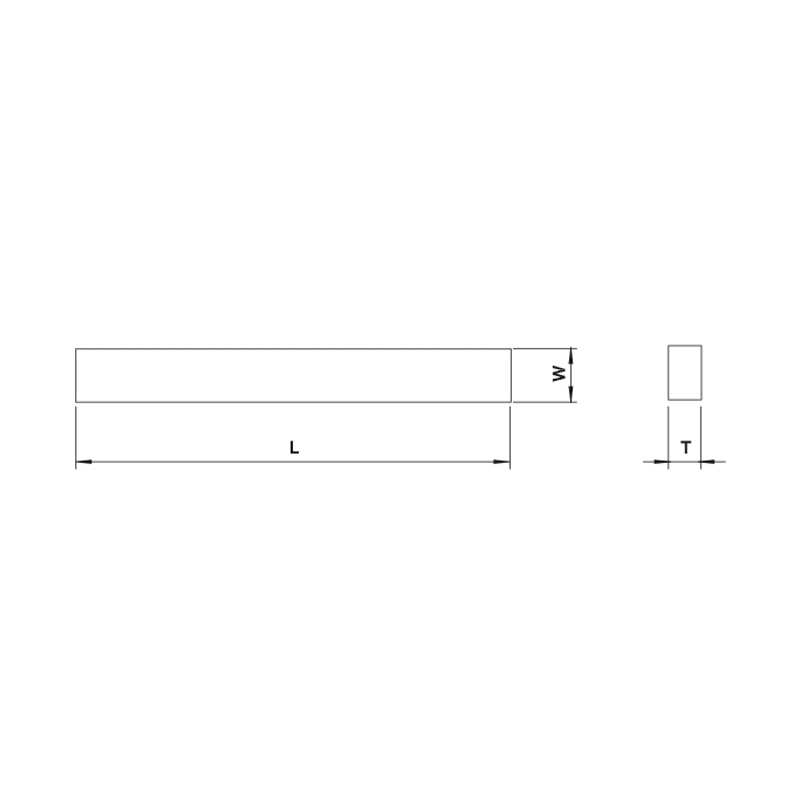
Welcome to our Cemented Carbide Flats section, where we take pride in offering top-quality carbide products designed to ...
See Details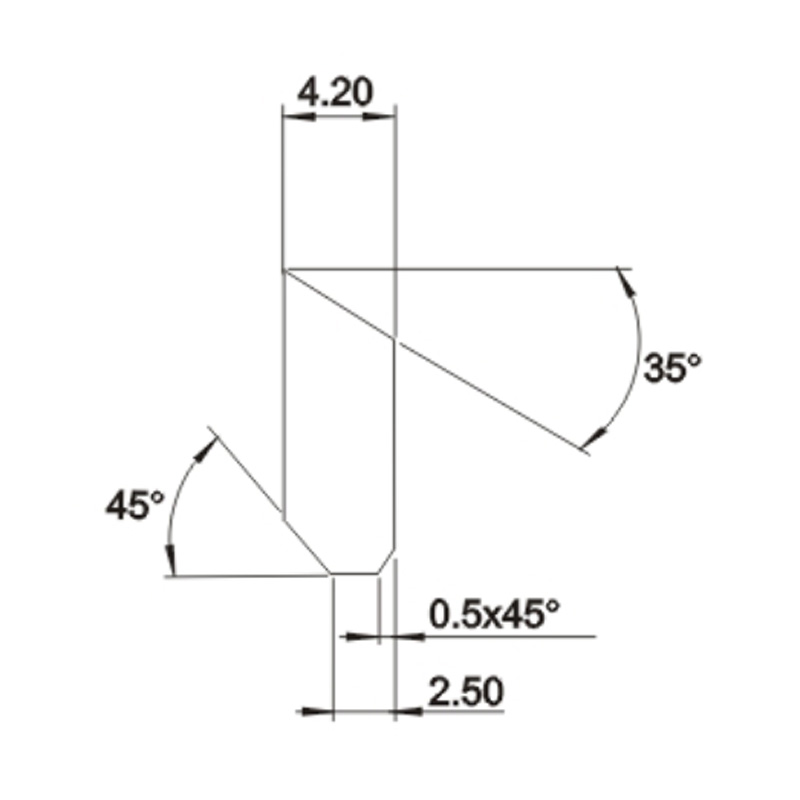
Welcome to our MKWPR Series Saw Blades product page! Our company takes pride in offering high-quality saw blades enginee...
See Details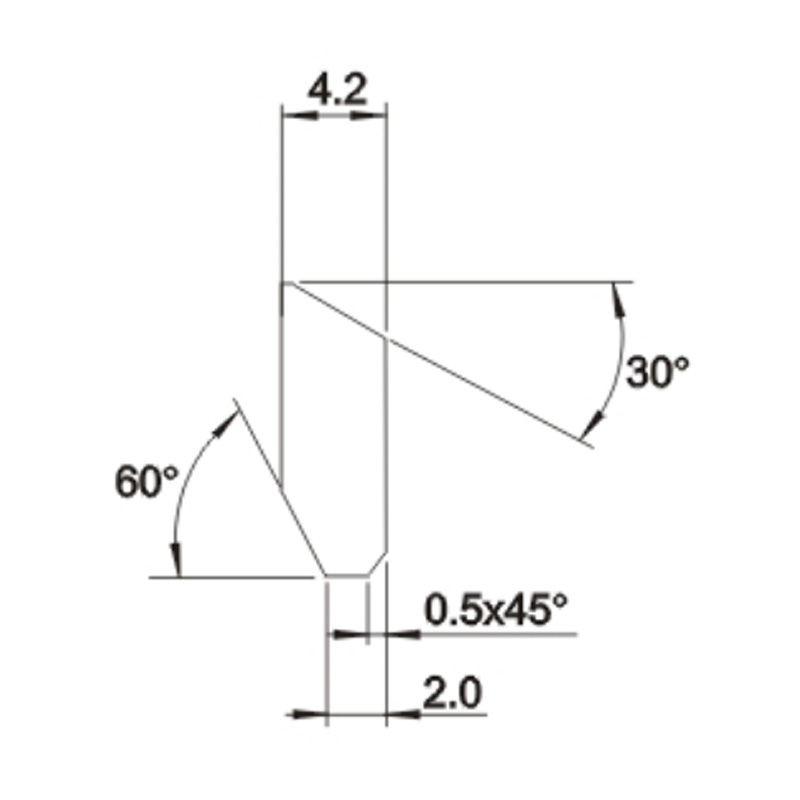
Welcome to our MKW-14 Series Saw Blades product showcase! Crafted with precision engineering and top-quality materials, ...
See Details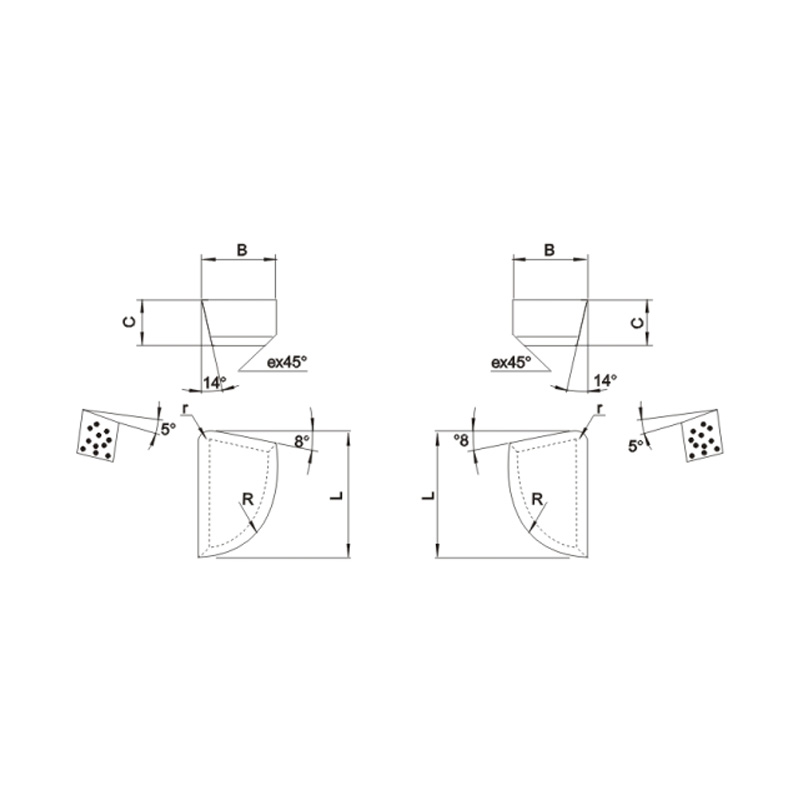
Welcome to our product page showcasing the A3 Type for facing tool and cylindrical turning tool! Designed for precision ...
See Details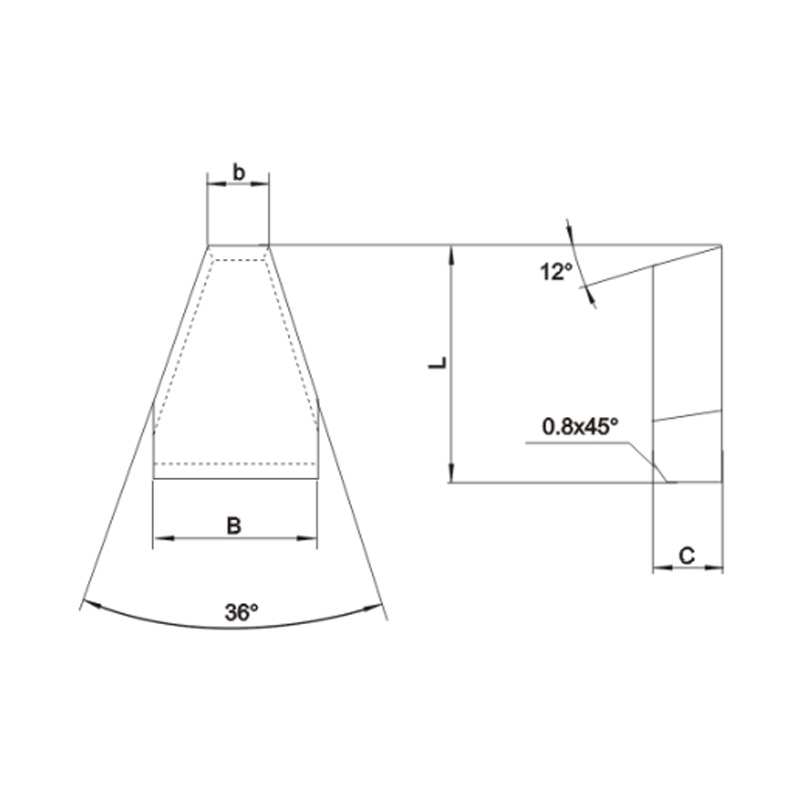
Welcome to our product description for the C4 Type for-processing triangle belt pulley and grooving cutter! This special...
See Details
Contact Us