
 English
 中文简体
中文简体 русский
YG6X 10% cobalt, 14.50 density (g/cm³) cemented carbide tungsten rod
Cat:Carbide Rod Series
Welcome to our grinding supplies company's website, where we proudly present our flagship product, the YG6X Carbide Rod....
See DetailsDeep geothermal drilling projects involve complex underground conditions that place heavy demands on drilling equipment. High temperature, abrasive rock layers, and continuous drilling pressure require tools capable of maintaining stable performance over long operating periods. In these environments, Carbide Rock Drill Bits are widely used because they provide strong wear resistance and reliable cutting ability in deep drilling applications.
Challenges in Deep Geothermal Drilling
Geothermal wells are drilled to access underground heat resources located far below the surface. During drilling, equipment passes through multiple rock layers with different hardness levels and structural characteristics.
As drilling depth increases, pressure and heat conditions become more demanding. These factors can accelerate tool wear and affect drilling stability. Hard rock formations found in geothermal environments also create a strong impact and friction on the drill bit surface.
Maintaining hole direction and drilling consistency becomes increasingly important in deep well operations where long drilling cycles are common.
Advantages of Carbide Materials
Tungsten carbide is widely used in geothermal drilling tools because of its hardness and resistance to abrasion. Carbide inserts help maintain cutting efficiency even when exposed to continuous contact with hard rock formations.
Compared with conventional steel cutting surfaces, carbide structures are less likely to deform under drilling stress. This helps the drill bit maintain stable penetration performance during extended drilling operations.
The combination of a reinforced steel body and carbide inserts also supports better impact absorption under changing underground conditions.
Performance Under High Temperature Conditions
Deep geothermal wells often expose drilling tools to elevated temperatures generated by underground heat sources and continuous friction during drilling.
Carbide materials can maintain structural stability under these conditions, allowing the drill bit to continue operating with reduced surface deformation. Stable cutting edges also help improve drilling consistency in deep formations.
Heat resistance becomes especially important during long drilling sequences where continuous operation is required.
Drilling Stability in Deep Formations
As drilling depth increases, maintaining hole alignment becomes more difficult. Variations in rock density and underground fractures can affect drilling direction and penetration behavior.
Carbide drill bits help maintain a stable cutting force distribution across the rock surface. This contributes to smoother drilling performance and supports better hole accuracy in deep geothermal projects.
Consistent drilling stability is important for reducing operational interruptions during long drilling cycles.
Reduced Wear During Long Operations
Deep geothermal drilling projects often require extended drilling periods without frequent equipment replacement. Carbide inserts help slow down wear caused by abrasive rock contact and repeated impact.
Reduced wear helps maintain drilling efficiency over longer operational periods. It also supports more stable penetration performance as drilling depth increases.
Proper operational control, including drilling pressure and flushing conditions, further contributes to balanced wear distribution.
Compatibility with Different Drilling Systems
Carbide drill bits are used in several geothermal drilling systems, including rotary and down-the-hole drilling equipment. Different bit structures may be selected depending on well depth, rock hardness, and drilling method.
Button arrangement and face design are adjusted according to drilling requirements to improve rock fragmentation and debris removal efficiency.
This adaptability allows carbide drill bits to function across a range of geothermal drilling environments.
Maintenance and Operational Considerations
Routine inspection is important in geothermal drilling operations due to the demanding underground conditions. Monitoring wear patterns helps identify performance changes before significant damage occurs.
Efficient flushing systems are also necessary to remove rock particles and reduce heat accumulation around the drill bit face. Stable operational settings help maintain drilling consistency during deep well drilling.
Proper handling and maintenance practices contribute to longer drill bit usability and more stable operation.
Deep geothermal drilling requires tools capable of handling abrasive rock formations, elevated temperatures, and continuous drilling stress. Carbide rock drill bits provide stable cutting performance and wear resistance in these demanding environments. Their structural durability and adaptability support consistent drilling operations across different geothermal well conditions.
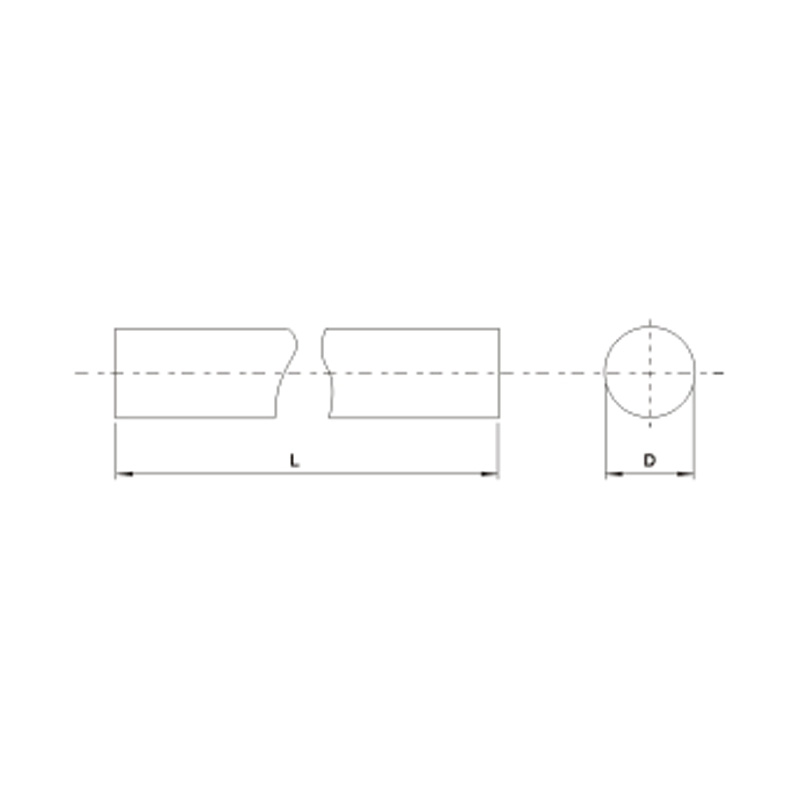
Welcome to our grinding supplies company's website, where we proudly present our flagship product, the YG6X Carbide Rod....
See Details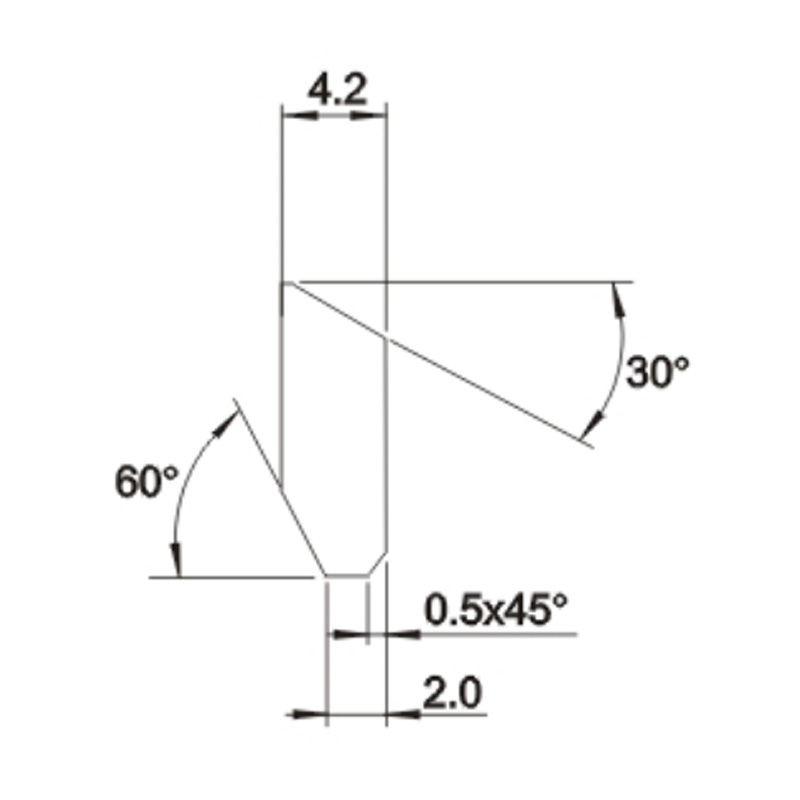
Welcome to our MKW-14 Series Saw Blades product showcase! Crafted with precision engineering and top-quality materials, ...
See Details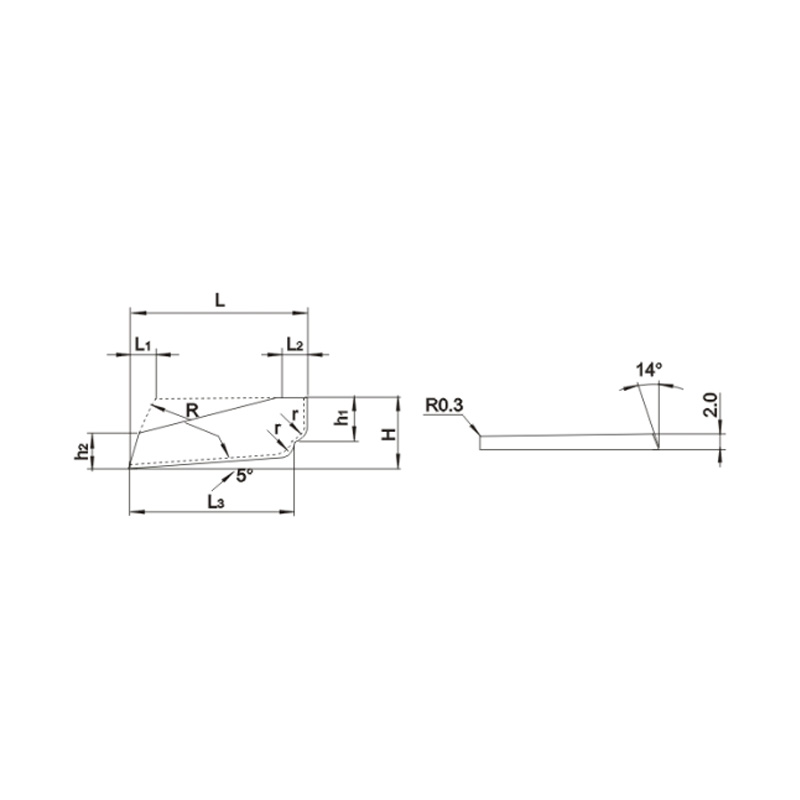
Welcome to our product page featuring the Double Butterfly Curve Blade! Our company takes pride in offering precision-en...
See Details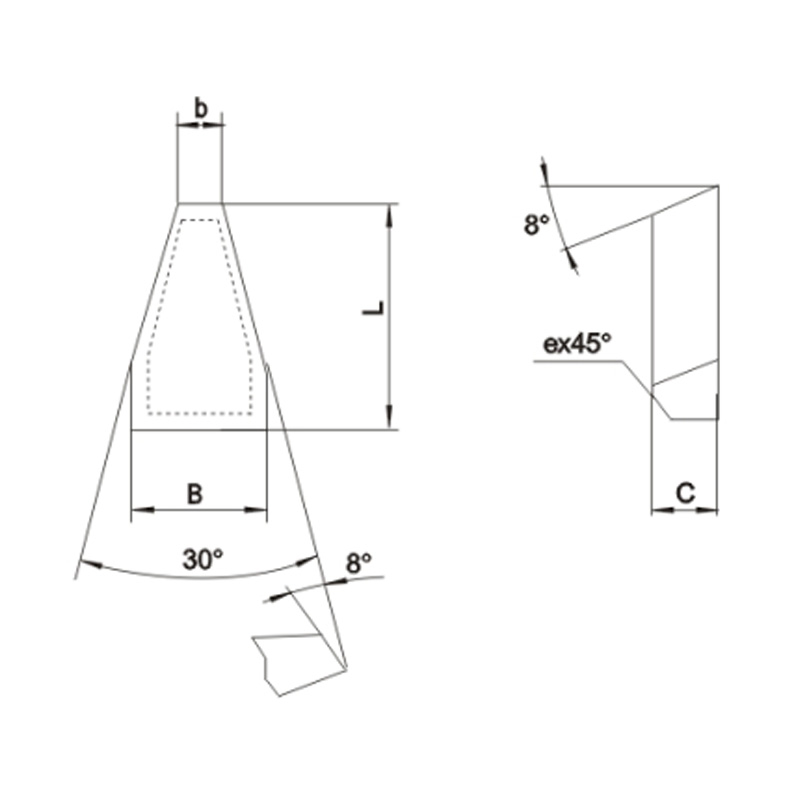
Welcome to our product description for the C2 Type turning tool, specially designed for refined turning and ladder screw...
See Details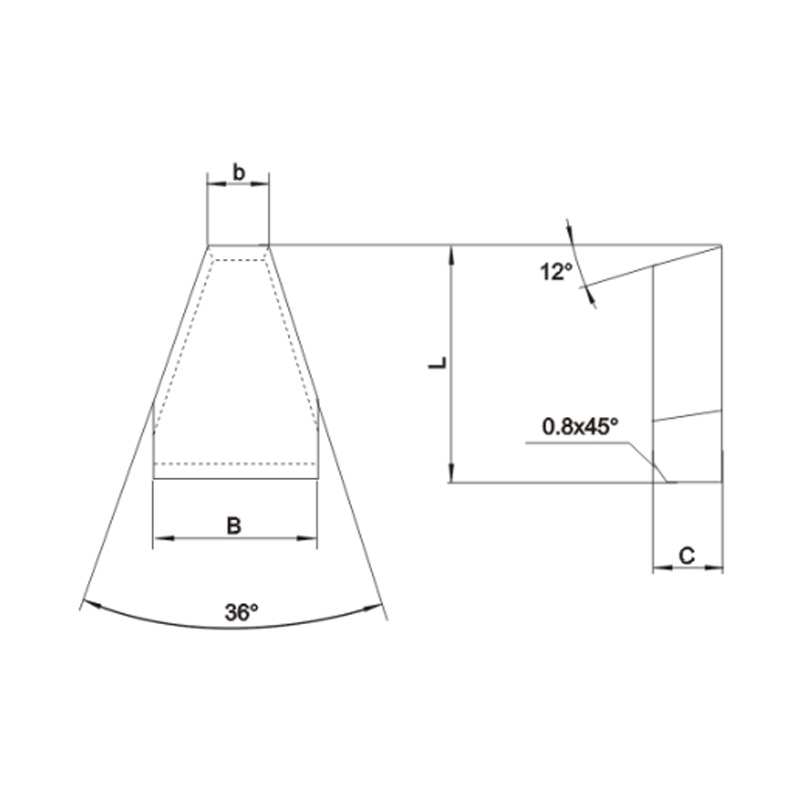
Welcome to our product description for the C4 Type for-processing triangle belt pulley and grooving cutter! This special...
See Details
Contact Us