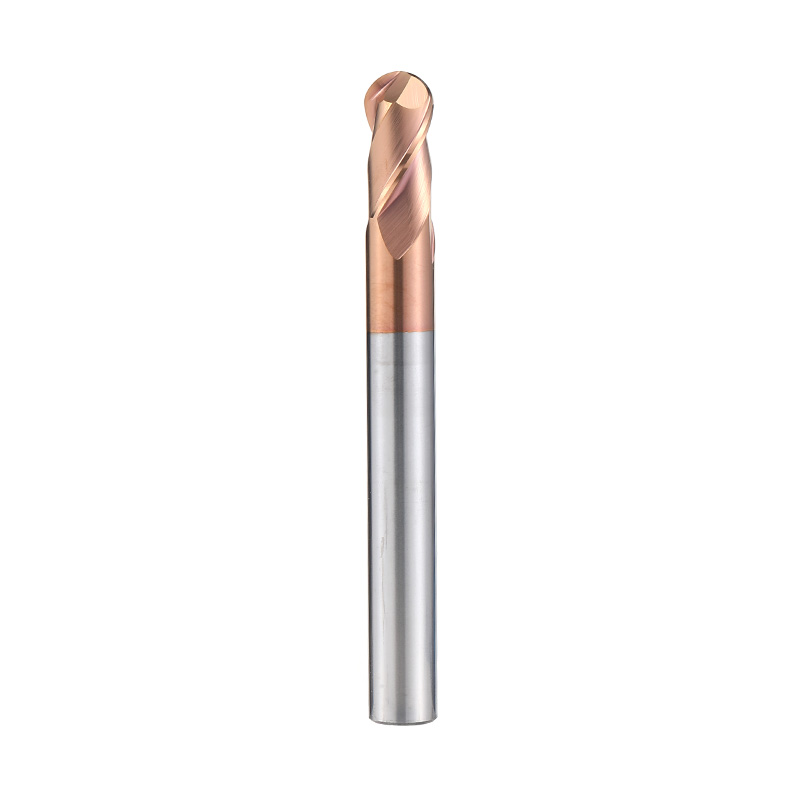
Rock drilling operations in mining, quarrying, construction, and geological exploration require tools that can work under continuous impact and abrasive conditions. In many of these applications, Carbide Rock Drill Bits are widely used because they provide stable cutting performance and strong resistance to wear. Their durability depends on several factors, including material composition, drill bit design, rock conditions, and operational control.
Importance of Wear Resistance
During rock drilling, drill bits are exposed to repeated friction, vibration, and impact. As the bit continuously contacts hard rock surfaces, the cutting area gradually wears down. If wear occurs too quickly, drilling efficiency decreases, and tool replacement becomes more frequent.
Wear resistance is especially important in hard and abrasive formations such as granite and basalt. In these conditions, drill bits must maintain structural stability while continuing to break rock efficiently.
Material Composition and Structure
Tungsten carbide is commonly used in rock drill bits because of its hardness and resistance to abrasion. Carbide inserts are attached to a steel body to create a structure capable of handling both impact force and rotational movement.
The steel body absorbs part of the drilling stress, while the carbide inserts maintain cutting ability against rock surfaces. The connection between the carbide and steel body also affects durability during long drilling cycles.
Different carbide grades may be selected depending on drilling requirements. Some materials are designed for stronger impact resistance, while others focus more on reducing abrasive wear.
Influence of Rock Conditions
Rock formations vary in hardness, density, and mineral content. These differences directly affect drilling performance and wear behavior.
Highly abrasive rock can gradually erode carbide surfaces, reducing penetration efficiency over time. Fractured rock layers may create uneven impact distribution, increasing stress on certain parts of the drill bit.
Understanding geological conditions helps operators select suitable drill bit structures and drilling parameters for different applications.
Drill Bit Design Factors
The arrangement of carbide buttons plays an important role in drilling performance. Evenly distributed buttons help transfer impact force more consistently across the rock surface, reducing uneven wear.
Button shape also affects drilling behavior. Spherical buttons are often used for impact resistance, while other shapes may support faster penetration in certain formations.
Face design influences how rock fragments are removed during drilling. Flat, convex, and concave face structures are selected according to drilling conditions and operational requirements.
Operational Factors Affecting Performance
Drilling pressure and rotation speed strongly influence wear behavior. Excessive pressure can increase stress on the carbide inserts, while very high rotation speed may accelerate surface wear in abrasive formations.
Flushing systems are also important during drilling operations. Air or water flushing helps remove debris from the drilling area, reducing heat buildup and friction around the bit face.
Stable operational control helps maintain drilling efficiency and supports more balanced wear distribution.
Common Wear Patterns
Several wear conditions may appear during drilling operations. Gradual button wear is common during extended use, while uneven wear may occur if drilling alignment or pressure control is unstable.
Button loss and surface cracking can also develop under repeated impact stress, especially in hard or fractured rock formations.
Regular inspection helps identify these conditions before they affect drilling performance.
Maintenance and Usage Considerations
Routine maintenance can help extend drill bit usability. Cleaning debris after drilling helps maintain flushing efficiency and reduces unnecessary friction.
Regrinding worn carbide buttons may restore cutting performance in some applications. Proper storage and handling also help reduce accidental damage before operation.
The performance and wear resistance of carbide rock drill bits are influenced by material structure, rock conditions, operational settings, and maintenance practices. Proper drill bit selection and controlled drilling conditions help maintain stable performance in demanding rock drilling environments.

 English
 中文简体
中文简体 русский

Contact Us