Cemented Carbide Cutting Tools are widely used in metalworking applications where stable cutting, wear resistance, and consistent part quality are important. However, tool wear can still become a practical problem when the carbide grade, tool geometry, workpiece material, and machining conditions are not properly matched. For overseas manufacturers and engineering teams, understanding these factors can help reduce unexpected tool changes and maintain a more stable production process.
Start With the Workpiece Material
Tool selection should begin with the material being machined rather than the tool itself. Stainless steel, cast iron, carbon steel, aluminum alloys, and harder engineering materials create different cutting forces and heat conditions.
A carbide tool suitable for one material may not perform in the same way on another. Before selecting a tool, manufacturers should consider material hardness, machining operation, workpiece structure, and whether the process involves continuous or interrupted cutting. This information provides a more reliable basis for selecting the carbide grade.
Pay Attention to Tool Geometry
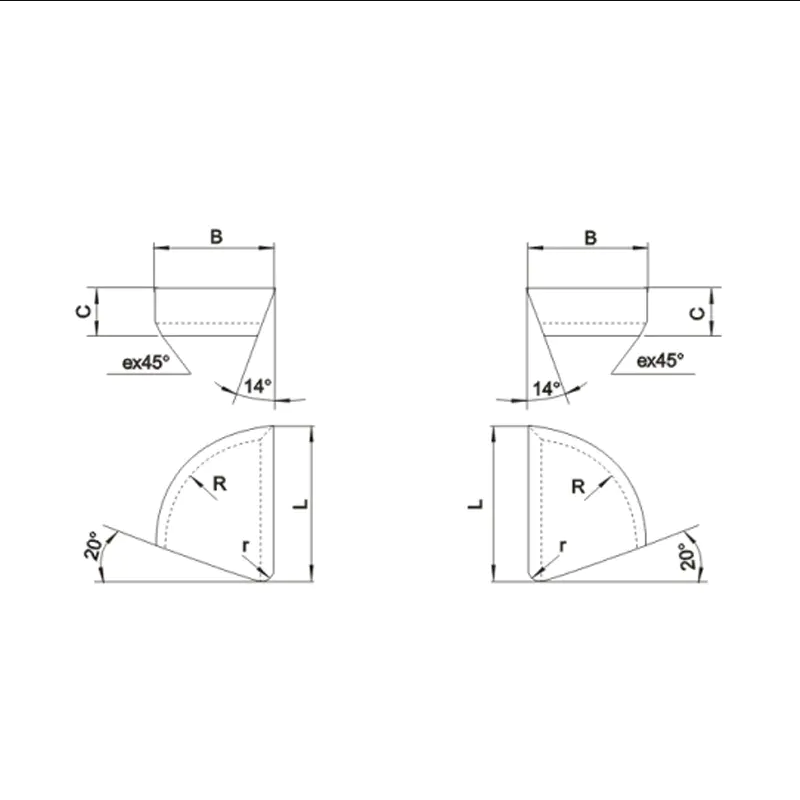
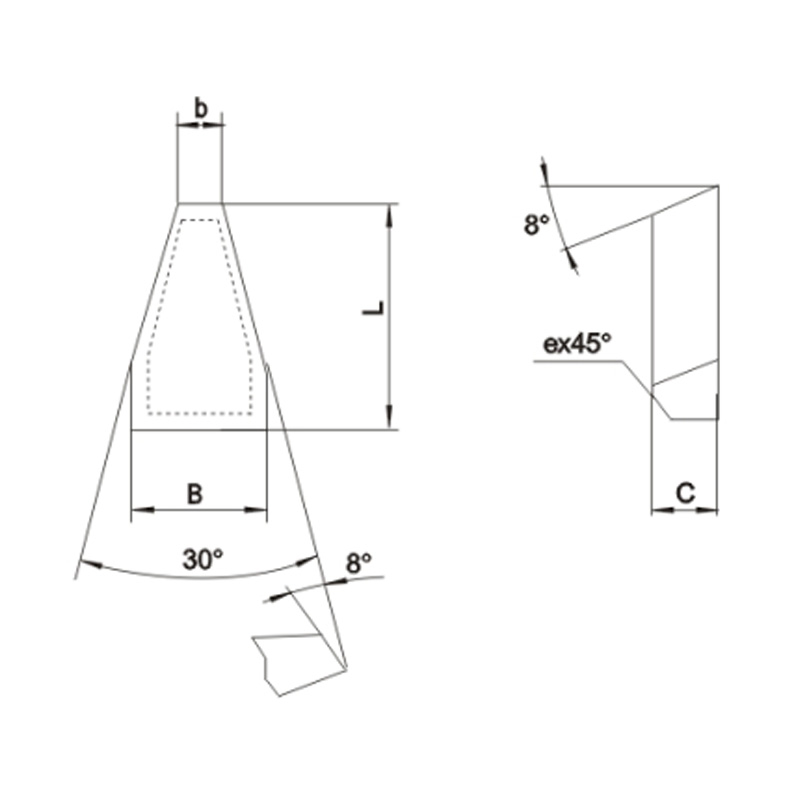
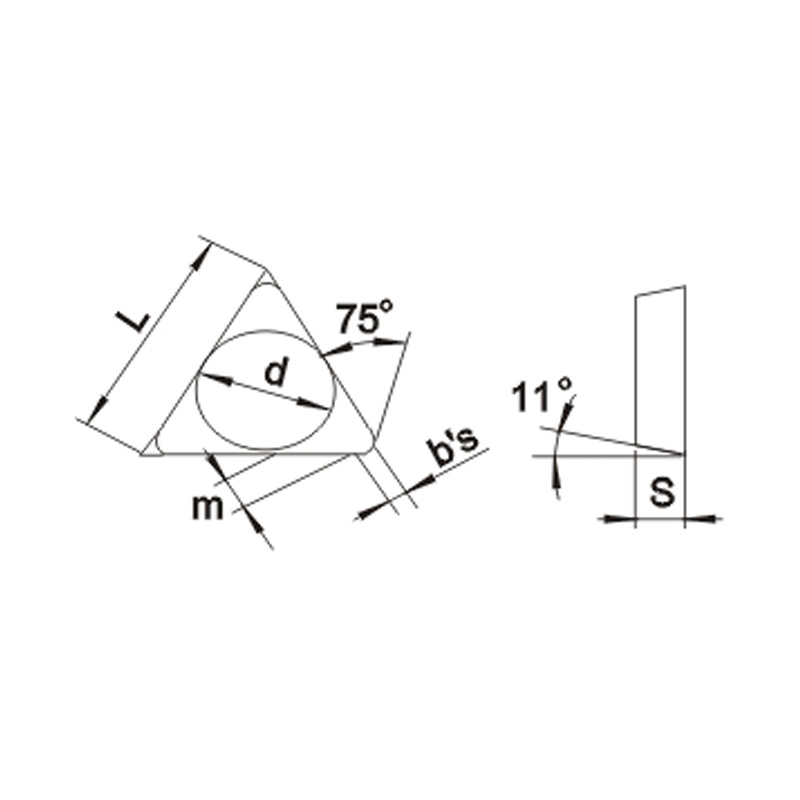
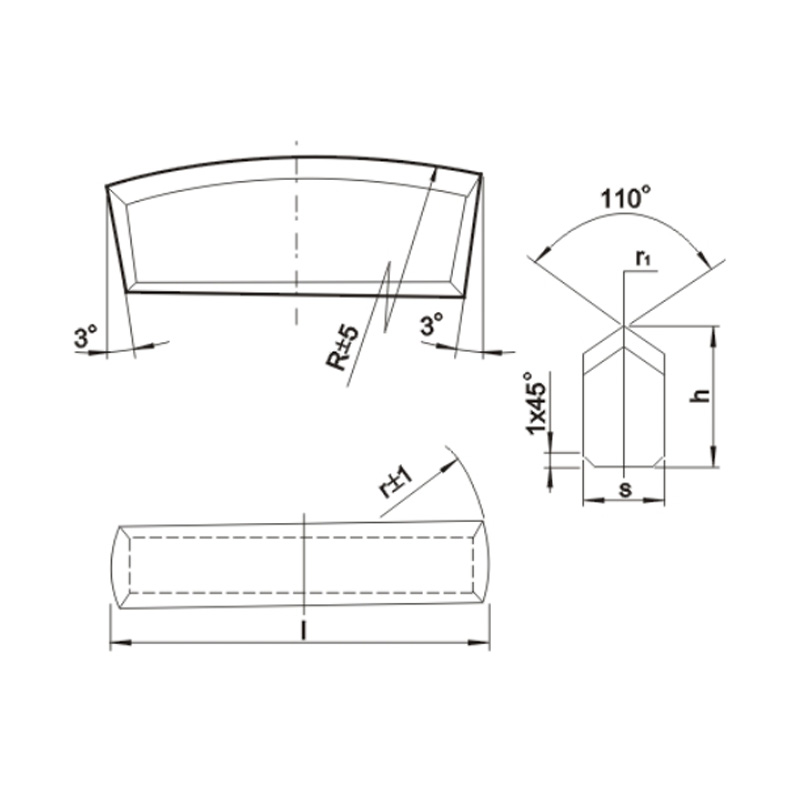
Tool geometry affects chip evacuation, cutting force, edge strength, and surface finish. An unsuitable cutting angle can increase pressure on the edge and accelerate chipping or wear, especially during milling operations with interrupted cuts.
For production applications, engineers should evaluate rake angle, clearance angle, edge preparation, flute design, and tool diameter together. The right combination can help the tool work more smoothly instead of relying only on a harder substrate.
Identify Wear Before It Affects Parts
Tool wear does not always appear suddenly. Changes in surface finish, dimensional accuracy, vibration, chip formation, or cutting noise may indicate that the cutting edge is deteriorating.
A practical inspection routine can focus on:
- Visible edge chipping or rounding.
- Changes in workpiece surface quality.
- Increasing vibration during machining.
- Dimensional changes between production batches.
- Unusual chip shape or heat marks.
Early identification allows engineers to investigate the machining process before tool wear develops into a larger production issue.
Select Coatings for the Application
Coating selection should be connected to the actual machining conditions. Different coating systems can influence friction, heat resistance, and wear behavior, but a coated tool is not automatically suitable for every workpiece or cutting process.
Engineers should consider the workpiece material, cutting speed, coolant conditions, and expected wear mechanism when evaluating coated carbide tools. This application-based approach can make tooling selection more predictable for repeated production.
Review Cooling and Chip Evacuation
Heat and chip accumulation can place additional stress on the cutting edge. When coolant cannot reach the cutting zone effectively, or chips remain around the tool, localized heating and mechanical damage may occur.
For this reason, troubleshooting should not focus only on changing the tool. Coolant delivery, chip evacuation, spindle conditions, and machining parameters should also be reviewed. In some applications, improving chip removal can make a noticeable difference without changing the entire tooling system.
Build a Consistent Tooling Process
For manufacturers handling repeat orders, recording tool performance can provide useful information for future production. Tool type, workpiece material, machining operation, observed wear, and replacement conditions can be documented and compared over time.
As a carbide tooling manufacturer, we recommend using these records when selecting tools for similar applications. Instead of choosing solely by standard dimensions, buyers can develop a tooling strategy based on actual production conditions and recurring machining requirements.
Make Tool Selection Part of Process Planning
Cemented Carbide Cutting Tools can support demanding machining applications, but reliable performance depends on more than carbide hardness alone. Matching the grade, geometry, coating, cooling method, and machining conditions gives engineers a clearer way to address premature wear and unstable cutting.
For overseas buyers, working with a manufacturer that can discuss application requirements and customized tooling options can also make tool selection more practical for long-term production.

 English
 中文简体
中文简体 русский

Contact Us