
 English
 中文简体
 русский
High hardness, high toughness cemented carbide flat steel
Cat:Cemented Carbide Flats
Welcome to our Cemented Carbide Flats section, where we take pride in offering top-quality carbide products designed to ...
See DetailsCarbide Flats are widely used in industrial cutting tools, woodworking equipment, wear-resistant components, and precision tooling. As manufacturers face changing tungsten raw material costs and increasing requirements for machining accuracy, choosing the right carbide material has become an important purchasing decision. For overseas buyers, the challenge is not simply finding a suitable size, but ensuring that the material grade, dimensional accuracy, and surface condition match the actual working environment.
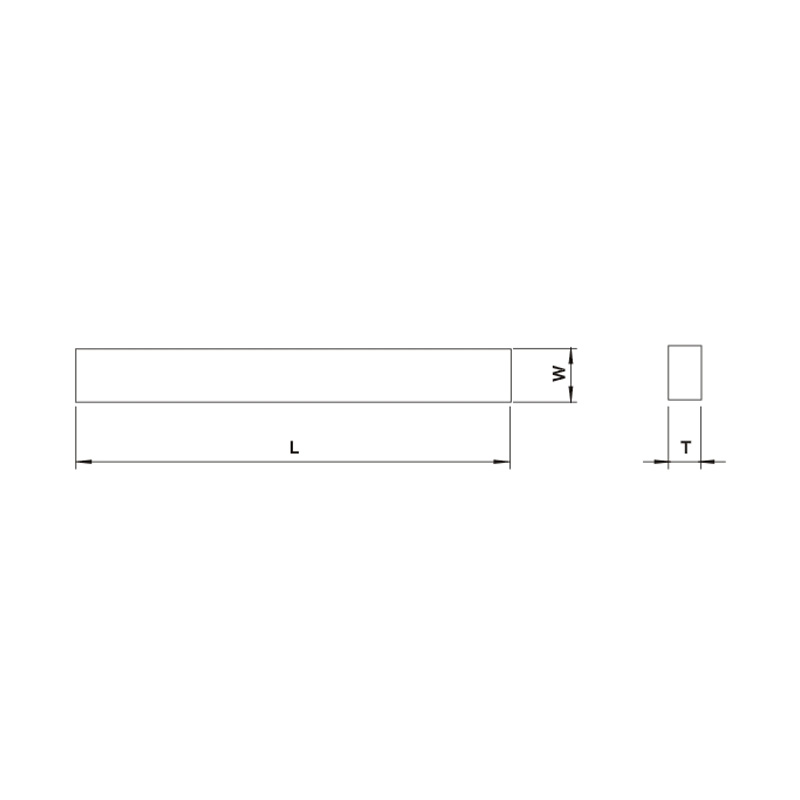
One common purchasing mistake is selecting carbide flats based only on hardness. Although hardness is important for resisting abrasion and maintaining cutting edges, it does not fully determine how a component performs during operation.
Different applications require different combinations of hardness, toughness, and wear resistance. For example, woodworking tools may require stable cutting edges, while industrial wear parts may experience continuous friction and mechanical pressure. Components exposed to impact also need sufficient toughness to reduce the risk of chipping or cracking.
As a manufacturer, we recommend evaluating the actual working conditions before confirming a tungsten carbide grade. Material selection should consider the processed material, cutting speed, contact pressure, and expected service environment.
Small dimensional differences can create problems during tool assembly and installation. If the thickness or width of a carbide flat is inconsistent, manufacturers may need additional grinding or adjustment before the component can be used.
For OEM tool manufacturers, dimensional consistency also affects production efficiency. When purchasing carbide flats in bulk, buyers should pay attention to:
Providing a technical drawing or detailed dimensional requirements before ordering helps manufacturers select an appropriate production and inspection process.
Tungsten carbide is a hard and relatively brittle material, which makes its finishing process important. Precision grinding is commonly used when carbide components require controlled thickness, flatness, parallelism, or surface roughness.
Recent research into WC-Co carbide grinding has also highlighted the relationship between grinding parameters and surface defects, including micro-chipping and cracking. This means that grinding quality should not be treated as a simple appearance requirement.
For buyers, it is useful to clarify whether the application requires as-sintered surfaces, ground surfaces, or additional finishing. This information helps avoid unnecessary processing costs while maintaining the required component accuracy.
Carbide flats are supplied in flat and rectangular forms, making them suitable for different tooling designs and manufacturing processes.
Typical applications include:
The actual application determines the required grade, dimensions, and finishing method. Buyers should avoid using the same material specification for every project without checking operating conditions.
Tungsten supply and carbide tool prices have attracted attention across the manufacturing sector in 2026. Raw material price fluctuations can affect purchasing budgets, making procurement planning more important for distributors and equipment manufacturers.
However, comparing suppliers only by unit price may overlook other costs. Inconsistent dimensions, unsuitable grades, and additional processing requirements can increase the total cost of a project.
A practical purchasing strategy includes confirming material specifications, requesting samples when necessary, and checking whether the supplier can maintain consistent quality across repeat orders.
To make communication with a carbide manufacturer more efficient, overseas buyers should prepare several details before sending an inquiry:
Even when the exact grade is unknown, drawings, product photos, or samples can help the engineering team understand the project and recommend a suitable material.
Choosing a manufacturing partner involves more than confirming product availability. Buyers should understand the supplier's material selection process, pressing and sintering capabilities, grinding equipment, inspection procedures, and ability to handle customized orders. Clear technical communication also helps reduce specification misunderstandings during mass production.
For distributors, tool manufacturers, and industrial procurement teams, Carbide Flats should be selected according to actual application requirements rather than price or hardness alone. Working directly with an experienced manufacturer can make it easier to coordinate dimensions, material grades, surface finishing, and repeat production, helping businesses maintain a more dependable supply of carbide components.
Welcome to our Cemented Carbide Flats section, where we take pride in offering top-quality carbide products designed to ...
See Details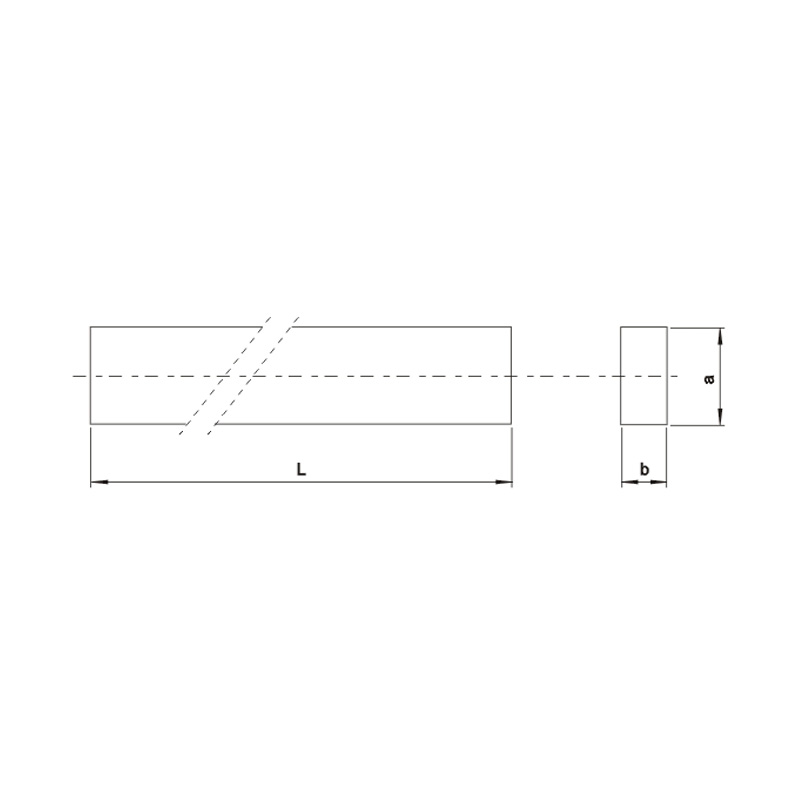
Welcome to our Cemented Carbide Rectangular Blanks product page! Our company is proud to offer high-quality carbide blan...
See Details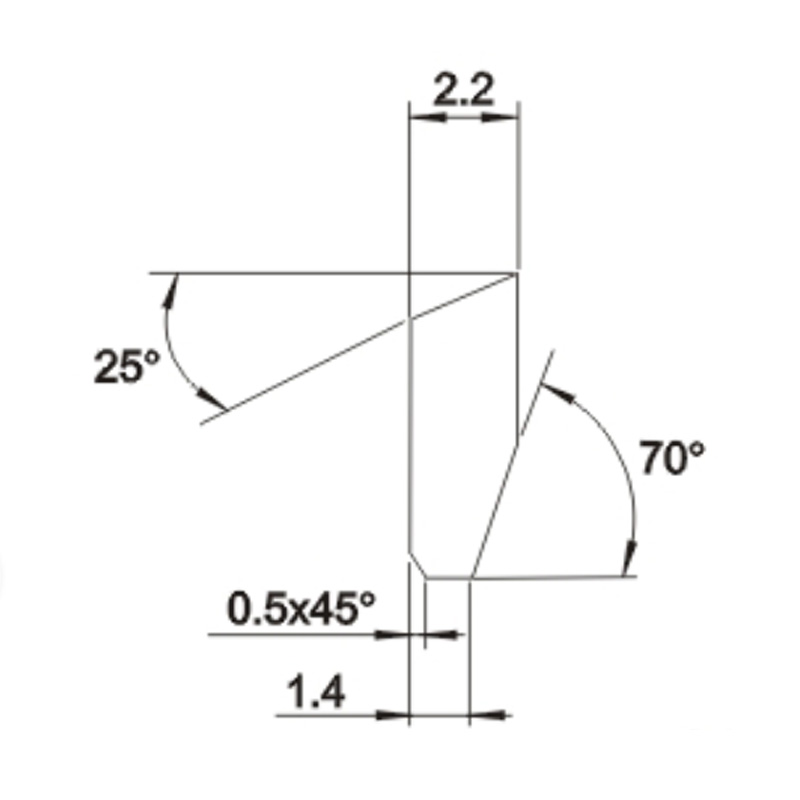
Welcome to our product page featuring the MKW-08 Series Saw Blades! Our company takes pride in offering high-quality saw...
See Details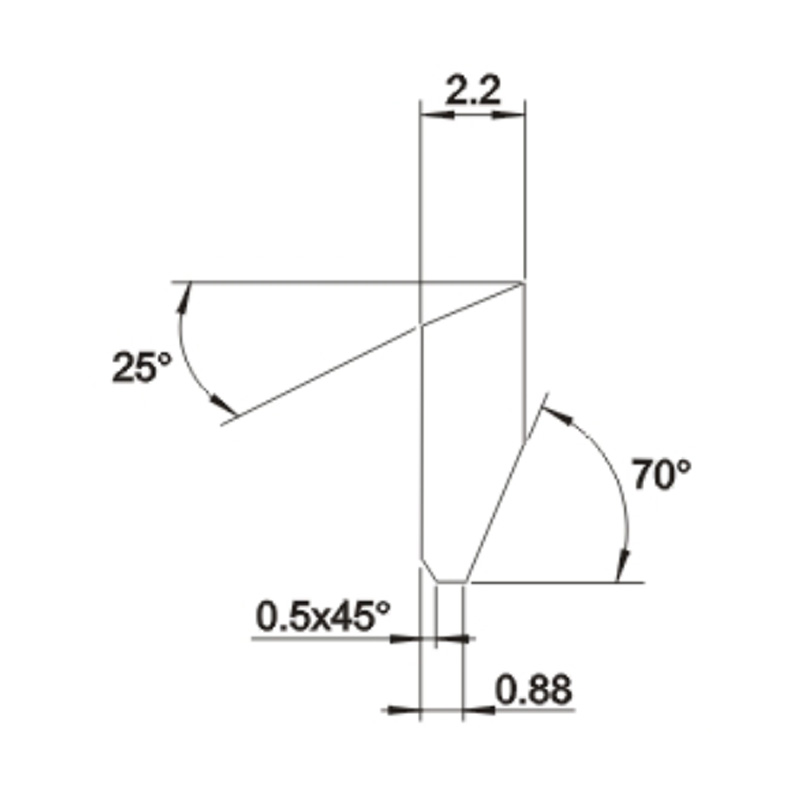
Welcome to our MKW-09 Series Saw Blades product page! Our company takes pride in offering top-of-the-line saw blades eng...
See Details
Carbide Inserts DX Type (X type wedge tooth) are cutting-edge tools designed for precision drilling and hole-making appl...
See Details
Contact Us