
 English
 中文简体
中文简体 русский
Highly efficient cleaning and precise cutting of cleaning blades
Cat:Cemented Carbide Tips for Woodworking
Welcome to our product page featuring the Cleanout Cutter Blade, an essential tool for achieving smooth and flawless bot...
See DetailsDrilling and milling are distinct machining operations, each presenting a unique set of challenges to the cutting tool. The carbide rod that forms the core of a solid drill or end mill must therefore meet specific requirements to perform effectively in these different environments.
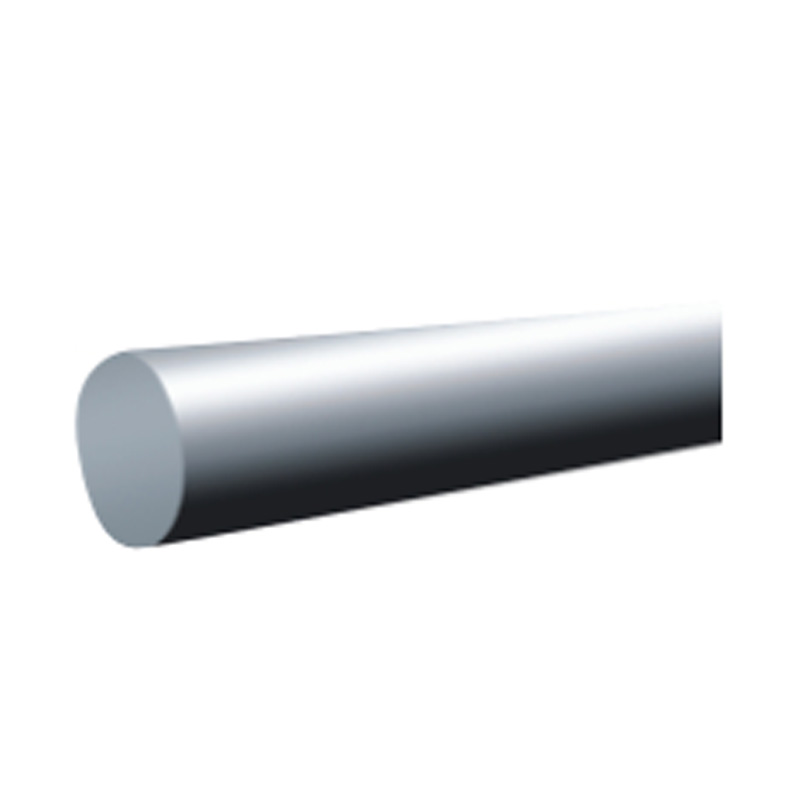
Drilling is often characterized by constrained cutting conditions at the center of the tool, challenges in heat dissipation, and the need for effective chip evacuation.
Milling involves intermittent cutting, where each tooth periodically engages and leaves the workpiece, creating cyclic mechanical and thermal shocks.
The carbide rod's properties do not act in isolation. They must be compatible with the tool's design. A drill with a split-point geometry or an end mill with a variable helix/pitch design is engineered to reduce cutting forces and vibration. These designs can be more effectively implemented on carbide rods that offer predictable machining and grinding characteristics, allowing for the precise creation of complex relief angles and flute forms.
The material being machined further refines the selection. Milling a tough, gummy material like stainless steel places different demands (focus on sharp edge strength, built-up edge resistance) compared to milling a hard, abrasive cast iron (focus on abrasion resistance). The carbide rod grade is chosen to provide a stable performance base suited to the predominant wear mechanisms expected from the workpiece.
Selecting a carbide rod for drilling or milling tools is a targeted decision. Drilling applications, with their challenging heat and stress conditions, often call for rods that provide reliable structural integrity. Milling applications, defined by intermittent cutting, require rods capable of withstanding cyclic impacts. Understanding the specific mechanical and thermal demands of each process, combined with the workpiece material and tool design intent, guides manufacturers toward carbide rod grades that provide a stable foundation for building tools capable of consistent performance in their designated roles.
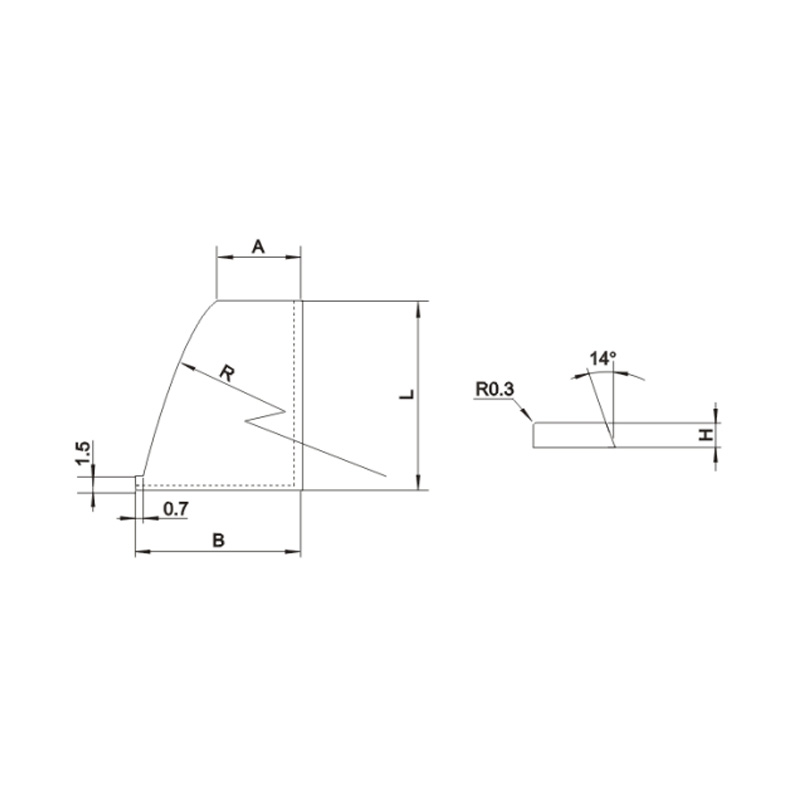
Welcome to our product page featuring the Cleanout Cutter Blade, an essential tool for achieving smooth and flawless bot...
See Details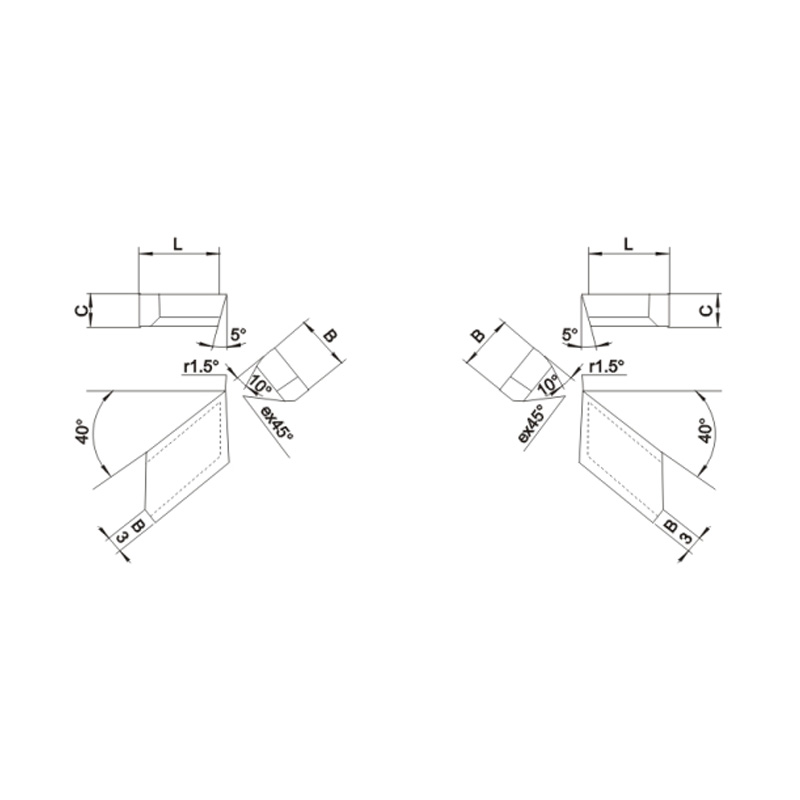
Welcome to our product page featuring the B1 Type shaping turning tool, dovetail groove cutter, and dovetail groove wond...
See Details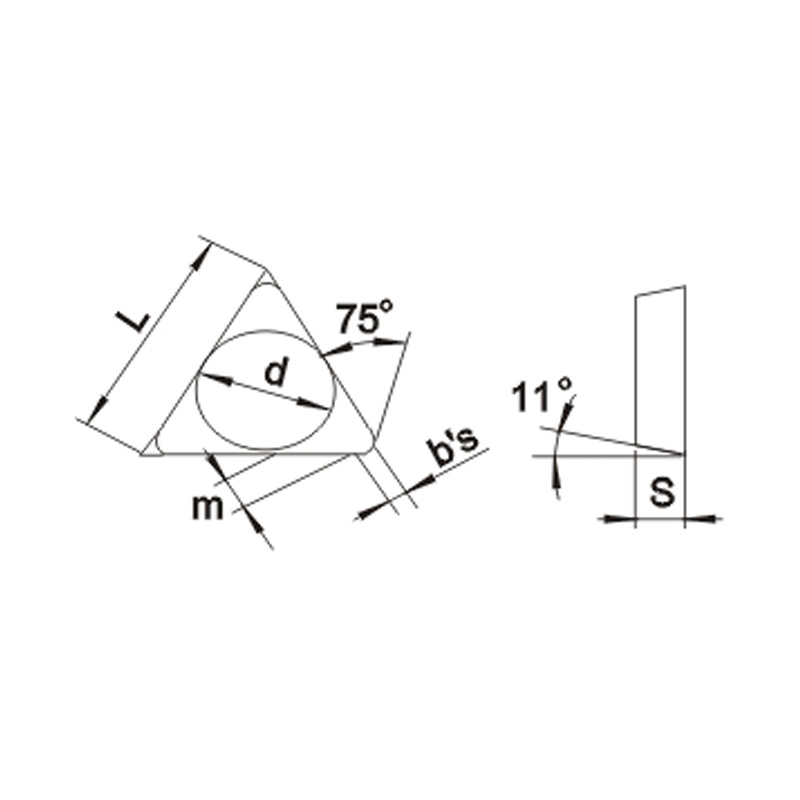
Welcome to our product showcase featuring Triangle Milling Cutter Blades! Designed for precision milling operations, our...
See Details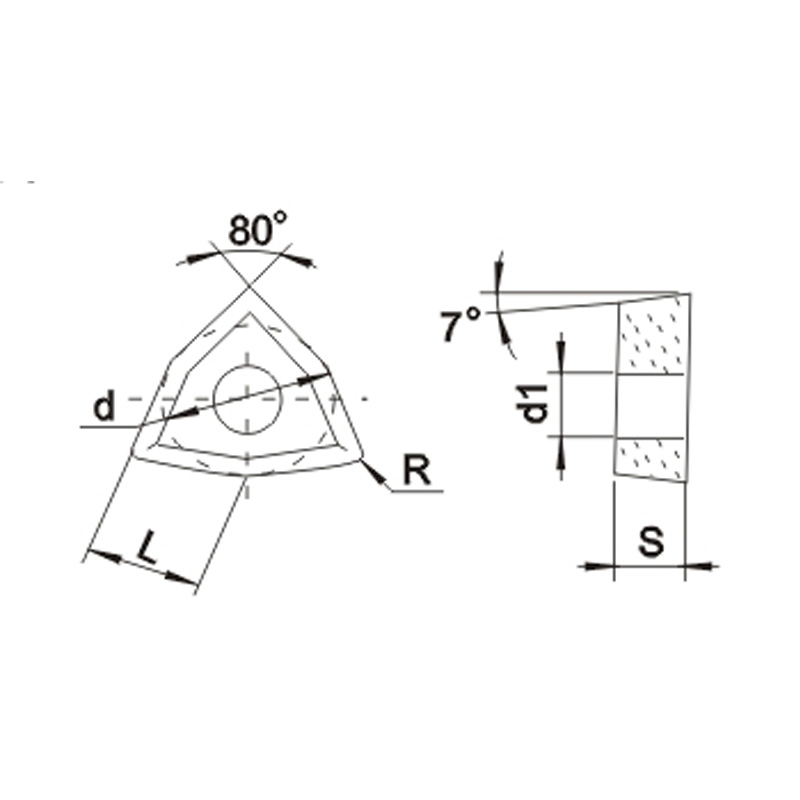
Welcome to our product page featuring the Shallow Hole Drilling Cutter Blades! Designed specifically for shallow hole ma...
See Details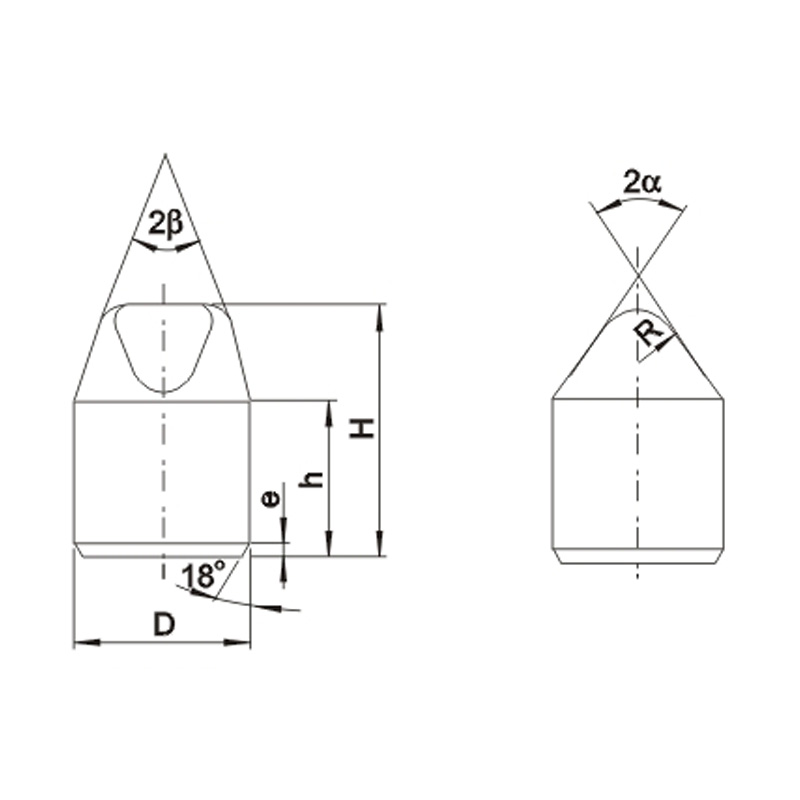
Carbide Inserts DX Type (X type wedge tooth) are cutting-edge tools designed for precision drilling and hole-making appl...
See Details
Contact Us