Unplanned production stoppages represent a considerable challenge in manufacturing, directly impacting output and operational rhythm. Among the frequent causes of such interruptions is the premature failure or wear of cutting tools, which necessitates unscheduled changes and machine idle time. In addressing this issue, the selection of tooling material is a critical factor. Cemented Carbide Cutting Tools have established a role in mitigating these disruptions. Their inherent characteristics are aligned with the goals of reducing the rate of tool wear and, by extension, minimizing associated production downtime.
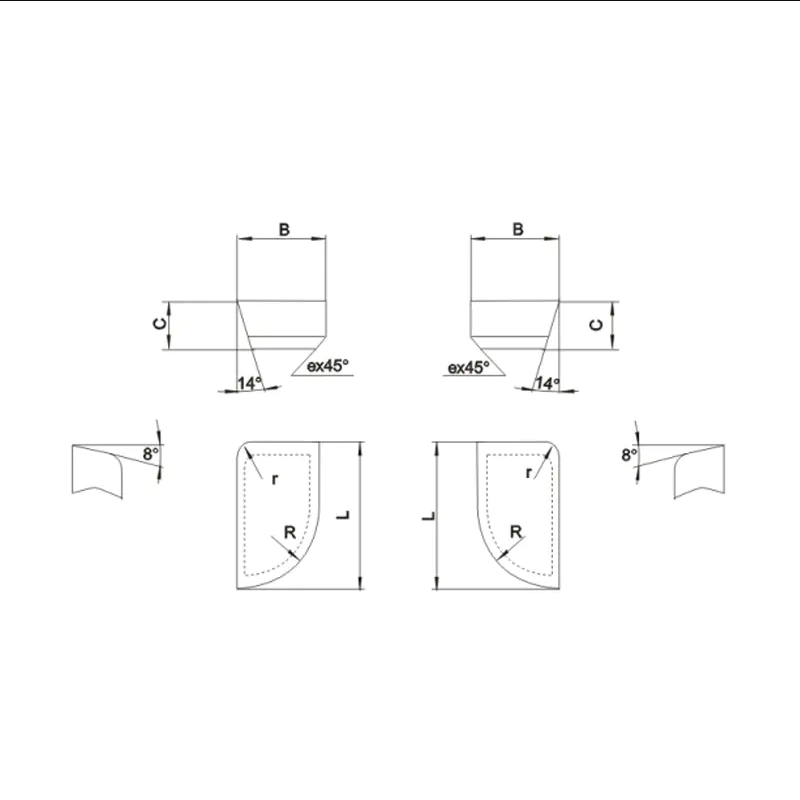
Understanding the Mechanism of Enhanced Wear Resistance
The service life of a cutting tool is largely determined by its ability to withstand the gradual degradation of its cutting edge. The composite structure of cemented carbide provides a natural defense against the primary mechanisms of tool wear. The hard tungsten carbide grains effectively resist abrasion from the workpiece material, while the cobalt binder offers a degree of fracture toughness. This balance allows the cutting edge to maintain its integrity over a prolonged period, resisting both the gradual loss of material and the initiation of micro-chips. This translates to a more predictable and extended tool life, forming the foundation for stable machining processes.
Connecting Tool Longevity to Enhanced Machine Utilization
The direct consequence of extended tool life is a reduction in the frequency of tool changes. Each changeover requires the machine to be stopped, the old tool replaced, and the new tool set and potentially tested. By increasing the intervals between these changeovers, Cemented Carbide Cutting Tools directly increase the available time for productive cutting. This improved machine utilization allows for a greater volume of parts to be produced within a given timeframe. Furthermore, the predictability of tool life enables more accurate planning of maintenance and tool replacement schedules, moving these activities from reactive interruptions to planned events.
Improving Process Stability and Part Consistency
Tool wear is not merely a binary state of "functional" or "failed." As a tool wears, it can negatively affect the machining process, advanced variations in part dimensions, degraded surface finish, and increased risk of scrap. The sustained sharpness and geometric stability of cemented carbide tools help maintain a consistent cutting process from the start to the end of their life cycle. This consistency is crucial for maintaining quality standards, reducing the rejection rate of finished parts, and avoiding downtime dedicated to rework or process troubleshooting.
A Strategic Approach to Operational Continuity
The role of Cemented Carbide Cutting Tools extends beyond simple cutting; it is intrinsically linked to production flow and operational efficiency. By offering a solution that directly counters the problem of rapid tool wear, these tools provide a pathway to more reliable and continuous manufacturing operations. Their use represents a strategic choice for businesses aiming to stabilize their production processes and reduce the costly impact of unplanned downtime.
The focus on reducing downtime also aligns with sustainable manufacturing goals. Fewer tool changes translate to less material waste and lower energy consumption. Future innovations may include carbide recycling programs and improved binder formulations that support circular production models. As process automation advances, cemented carbide tools will continue to play a central role in ensuring reliability, precision, and efficiency in machining operations worldwide.

 English
 中文简体
中文简体 русский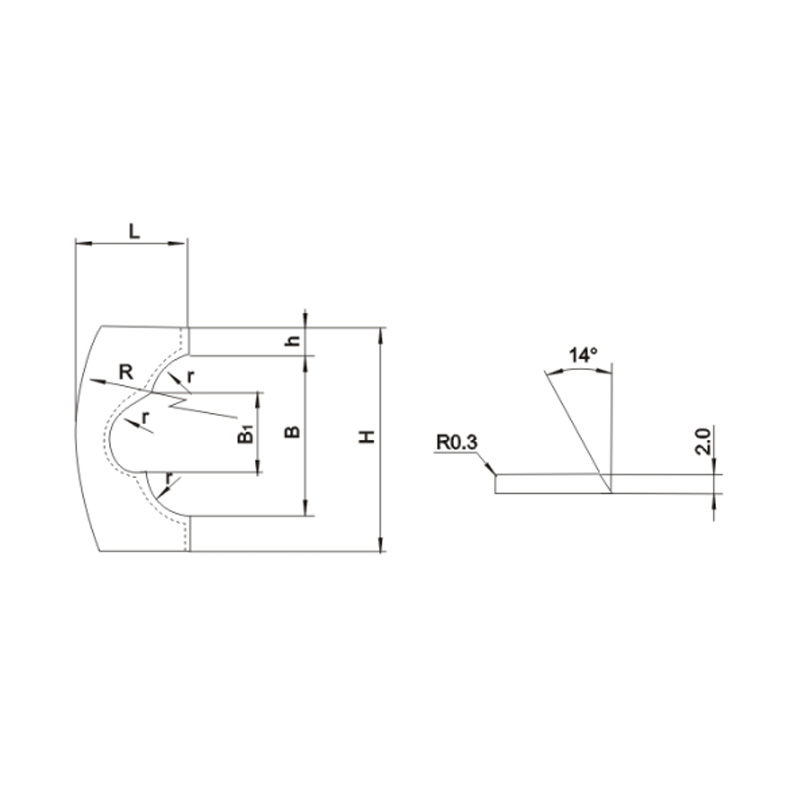
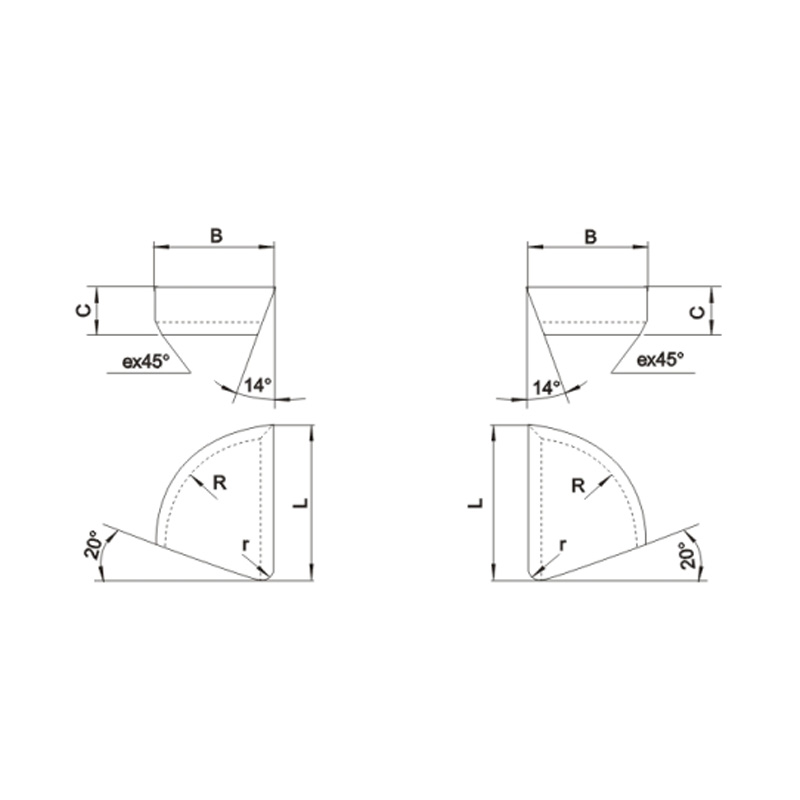
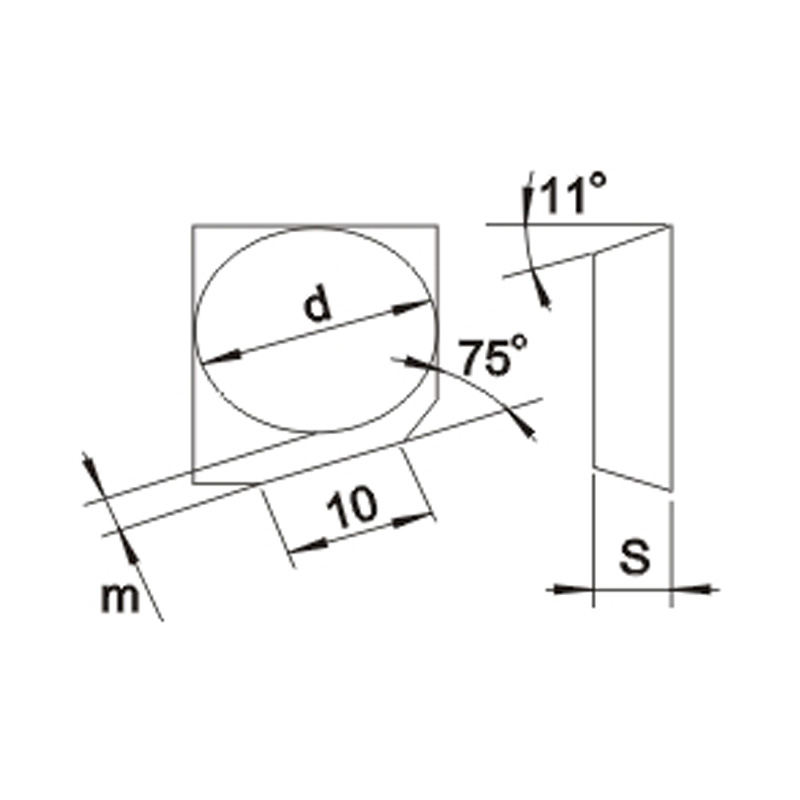

Contact Us