
 English
 中文简体
中文简体 русский
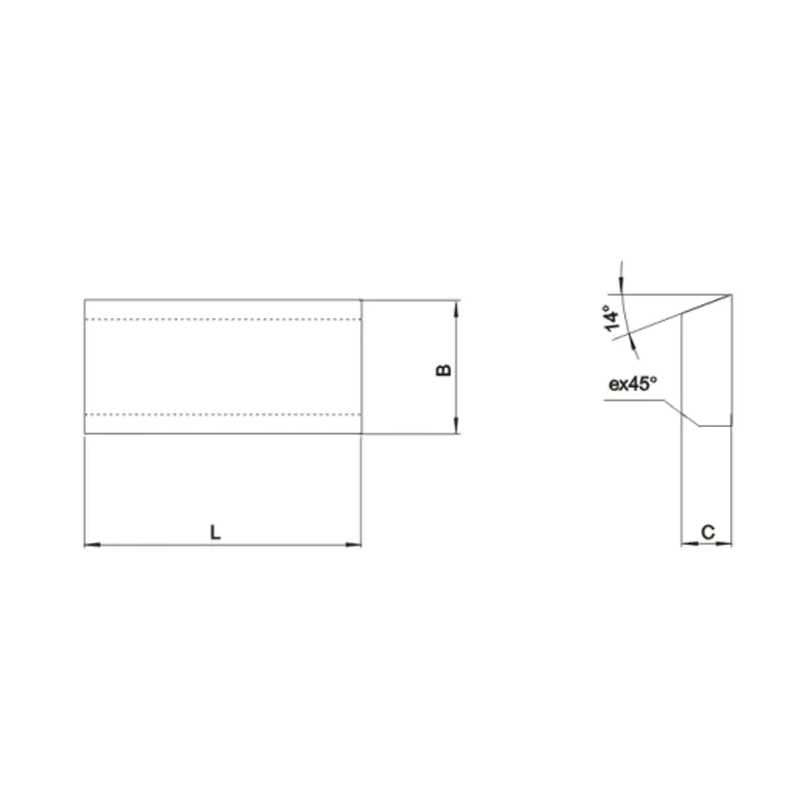
Used for precision machining of Cemented Carbide Flats with an Angle
Cat:Cemented Carbide Flats
At our grinding supplies company, we offer a range of high-quality cemented carbide flats with angle, meticulously craft...
See DetailsThe concept of efficiency in modern metalworking has evolved to encompass more than just the speed of material removal. It now represents a holistic blend of cutting velocity, dimensional accuracy, surface finish quality, and process reliability. Achieving this multifaceted efficiency requires tooling that can perform consistently across all these parameters. Cemented Carbide Cutting Tools have become integral to this pursuit, offering a set of properties that support enhancements in both general metalworking and the exacting field of precision manufacturing.
A primary avenue to reducing cycle times is the ability to employ higher cutting speeds and feed rates. The structural integrity and hot hardness of cemented carbide allow it to withstand the forces and temperatures generated under such conditions. Unlike tool materials that may soften or degrade, cemented carbide maintains its cutting capability, enabling machines to operate in more productive regimes. This capacity for aggressive machining directly shortens the time required to complete a part, increasing the overall output of a machining cell without sacrificing tool integrity.
In precision manufacturing, every second and micron counts. Traditional tool materials can struggle under continuous, high-speed operations, advanced shorter tool life, and more downtime. Cemented carbide tools, however, maintain cutting performance under demanding conditions. They allow faster feed rates, stable chip formation, and reduced vibration, which collectively shorten machining time while preserving accuracy.
In precision manufacturing, the consistency of the tool is paramount. Any variation in the tool's cutting edge geometry during a production run will be imparted to the workpiece, advancesd in dimensional drift. The wear resistance of Cemented Carbide Cutting Tools ensures that the cutting edge retains its intended form over time. This geometric stability is a prerequisite for holding tight tolerances and producing parts that are consistent from one to the last in a batch. Additionally, a sharp and stable edge is capable of generating high-quality surface finishes, often reducing or eliminating the need for secondary finishing operations.
Modern manufacturing increasingly relies on automated systems and lights-out operations. These environments demand tooling that offers predictable performance and longevity. The extended and reliable tool life provided by cemented carbide is a key enabler for such processes. When a tool's lifespan can be accurately forecast, it can be scheduled for replacement during planned pauses, rather than risking failure during an unattended shift. This reliability allows for the expansion of automated production windows, making more efficient use of capital equipment.
The application of Cemented Carbide Cutting Tools is a common factor in efforts to elevate manufacturing efficiency. Their contribution is felt across the spectrum, from enabling faster cycle times to ensuring the repeatable accuracy required in precision industries. By providing a foundation of tooling stability, they allow manufacturers to push the boundaries of their processes, achieving a more complete and effective form of production efficiency.
As digital manufacturing evolves, cemented carbide tools are being integrated into data-driven systems that track wear and optimize tool paths in real time. Future developments may focus on environmentally friendly coatings and advanced recycling of worn carbide tools. The combined progress in materials science and digital machining is expected to further strengthen the role of cemented carbide tools in precision production.
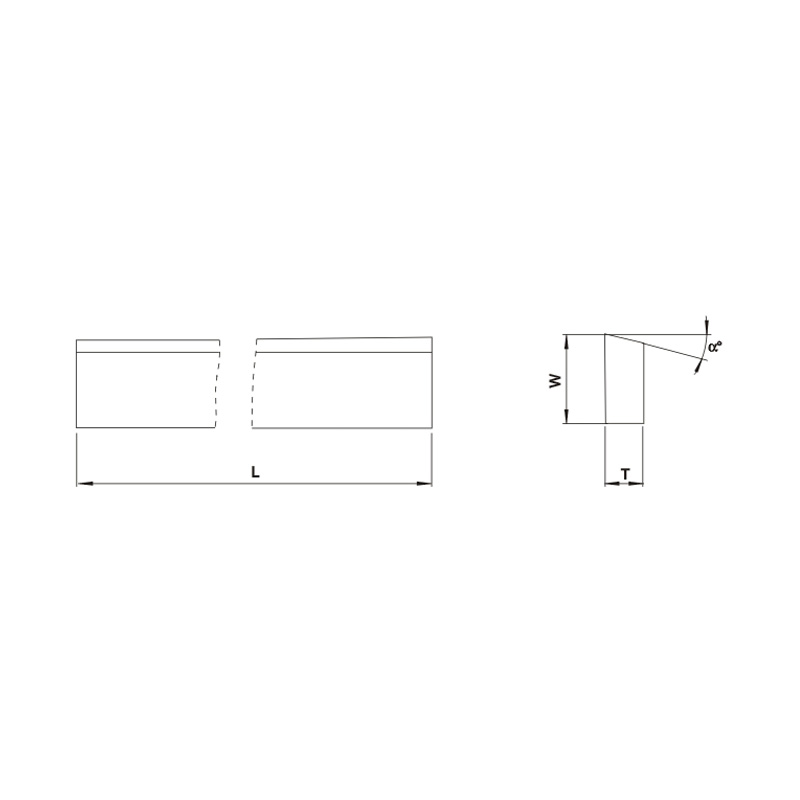
At our grinding supplies company, we offer a range of high-quality cemented carbide flats with angle, meticulously craft...
See Details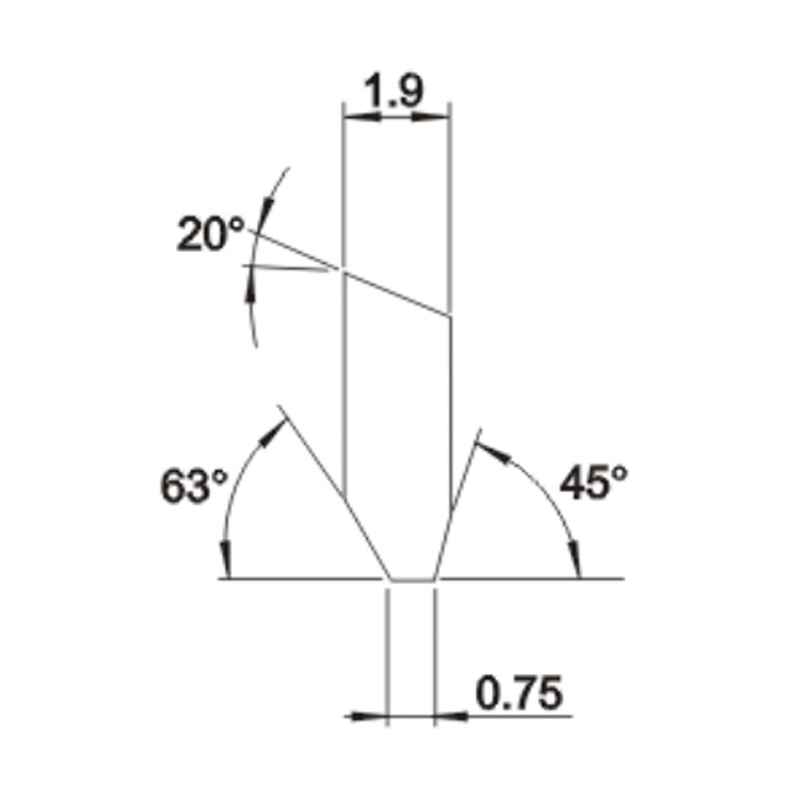
Welcome to our product page showcasing the MKW-06 Series Saw Blades! Our company takes pride in offering top-quality saw...
See Details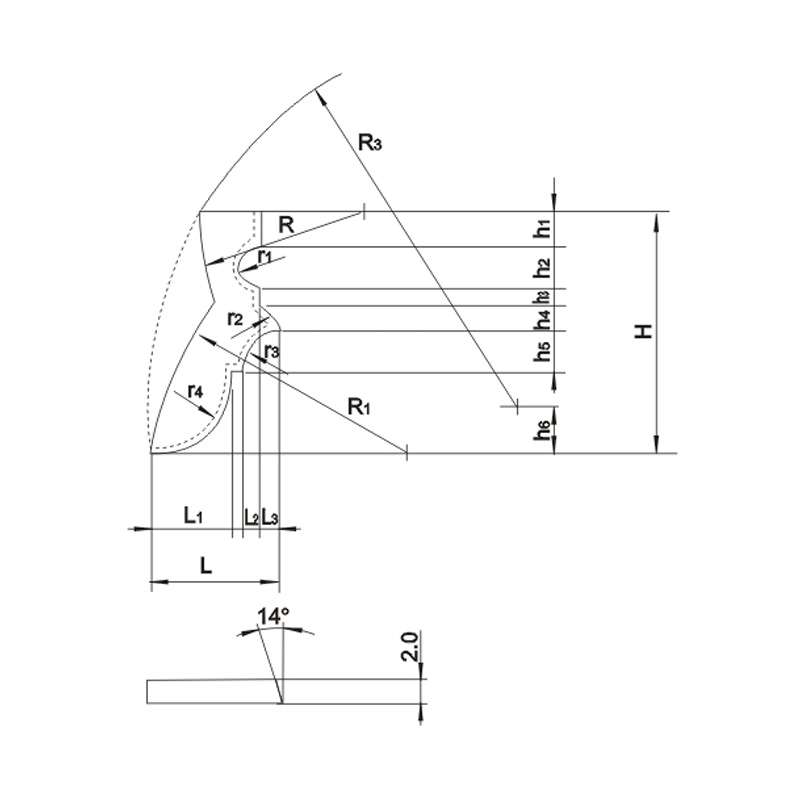
Welcome to our product showcase featuring the versatile and efficient Magic Knife Blade. Crafted to meet the diverse nee...
See Details
Welcome to our product page featuring the Shallow Hole Drilling Cutter Blades! Designed specifically for shallow hole ma...
See DetailsWelcome to our product page featuring the SFCN Milling Cutter Blades! Our company takes pride in offering high-quality m...
See Details
Contact Us