
 English
 中文简体
中文简体 русский
YG6X 10% cobalt, 14.50 density (g/cm³) cemented carbide tungsten rod
Cat:Carbide Rod Series
Welcome to our grinding supplies company's website, where we proudly present our flagship product, the YG6X Carbide Rod....
See DetailsThe creation of effective cutting and forming tools begins with the selection of an appropriate base material. This choice sets a foundation for the tool's performance, life, and consistency. In sectors where precision is a primary requirement, such as aerospace, medical device manufacturing, and electronics, the standards for tool performance are substantial. Carbide Flats, supplied as blanks or pre-forms, are becoming a more frequent selection for toolmakers tasked with producing specialized cutters, dies, and inserts. Their use supports the manufacture of tools capable of holding tight tolerances and producing fine surface finishes over extended production runs.
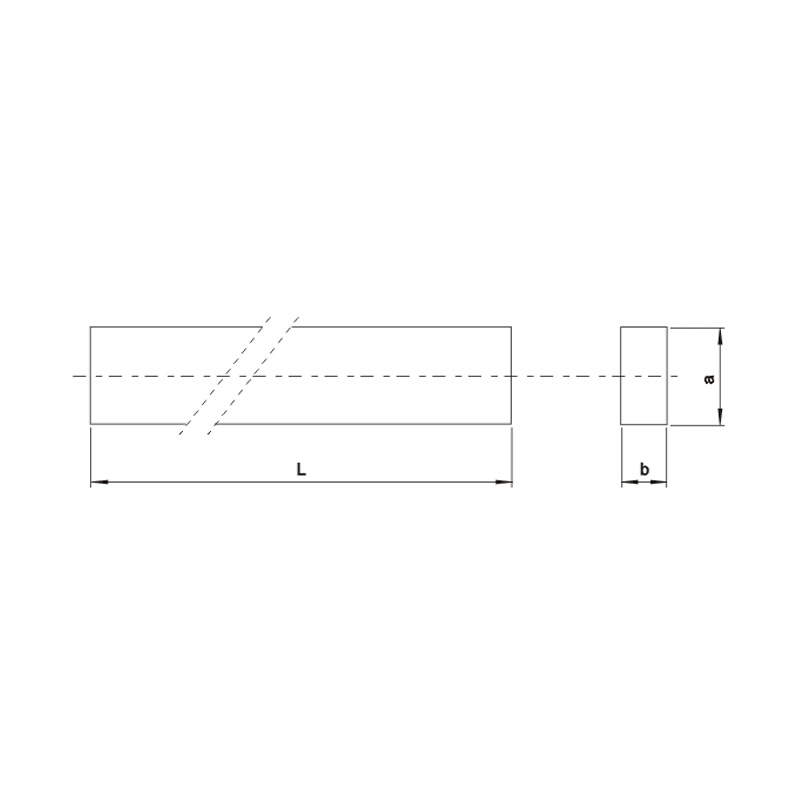
Toolmakers often require material blanks that can be ground, wire-cut, or otherwise machined into specific, sometimes intricate geometries. A blank of Carbide Flats provides a uniform, predictable starting point. For example, a complex form tool used for profiling or grooving might be entirely fabricated from a single piece of carbide, ensuring consistent material properties throughout the cutting edges. Similarly, slitter knives for cutting thin metals or polymers can be produced from these flats, benefiting from the material's edge retention to maintain a clean cut and minimize burr formation. The homogeneity and lack of internal flaws in quality carbide stock are important for the reliability of the finished tool.
Beyond being a raw material for tool fabrication, Carbide Flats are also employed directly as critical components within precision machines. Their combination of hardness, stiffness, and dimensional stability makes them suitable for roles where even minor deflection or wear is problematic. In high-accuracy grinding or measurement equipment, they may be used as ways, slides, or reference surfaces. As wear-resistant liners in guiding channels or as anvils in forming presses, they help preserve the alignment and accuracy of the machine itself. This application protects the broader system's precision by ensuring that key contact points do not degrade over time.
Several interconnected factors are contributing to the wider use of Carbide Flats in these domains. Manufacturing trends are pushing toward the machining of more challenging workpiece materials, including hardened steels, high-temperature alloys, and abrasive composites. These materials demand cutting tools and machine components that are themselves made from substances that can withstand the associated stresses. Additionally, the economic pressure to reduce secondary finishing operations places importance on achieving desired surface finishes directly from the primary cutting or forming process. Tools with edges that stay sharper for longer, made possible by materials like carbide, contribute to this goal.
The growing presence of Carbide Flats in toolmaking and precision applications is a response to tangible needs within advanced manufacturing. It represents a supply-chain decision that focuses on the capability of the base material to enable end-tool performance. For designers and tooling engineers, understanding the grades and available forms of carbide stock becomes part of the development process for new tools and machines. As the requirements for accuracy, surface quality, and efficiency in manufacturing continue, materials that provide a stable and durable foundation, such as Carbide Flats, will remain integral to meeting these objectives.
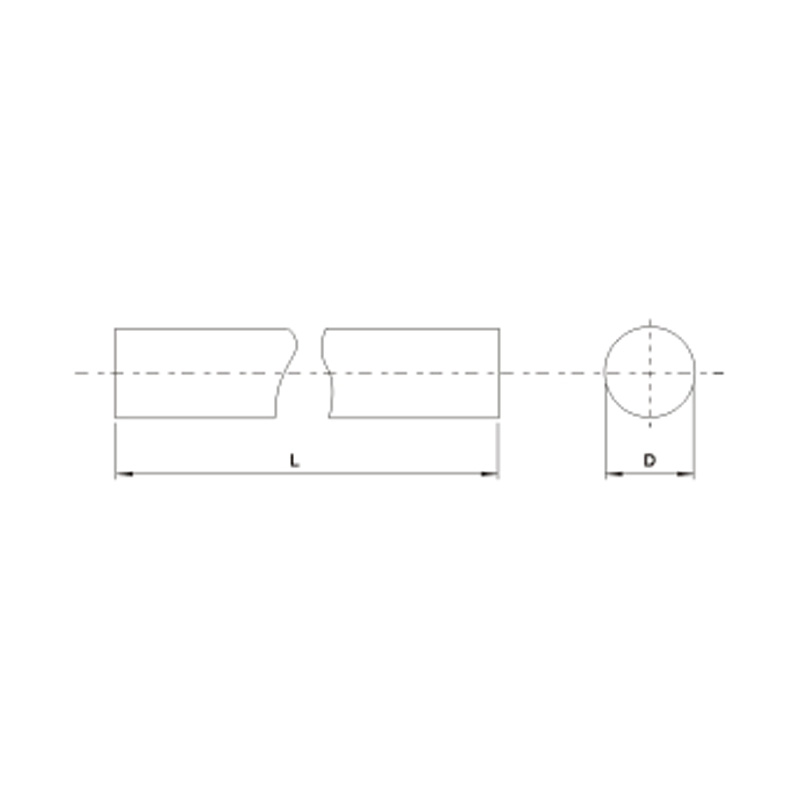
Welcome to our grinding supplies company's website, where we proudly present our flagship product, the YG6X Carbide Rod....
See Details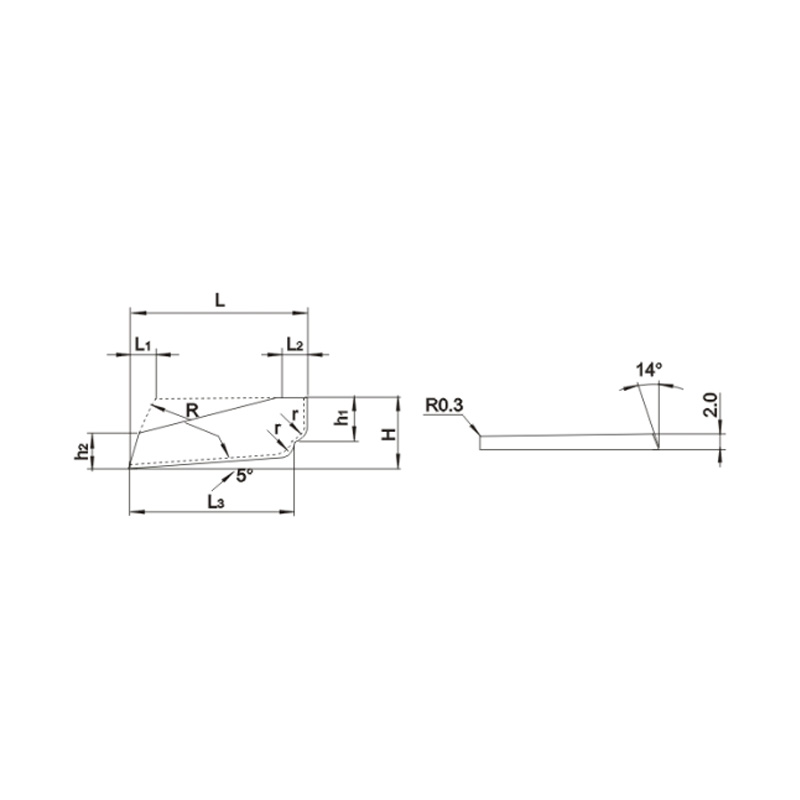
Welcome to our product page featuring the Double Butterfly Curve Blade! Our company takes pride in offering precision-en...
See Details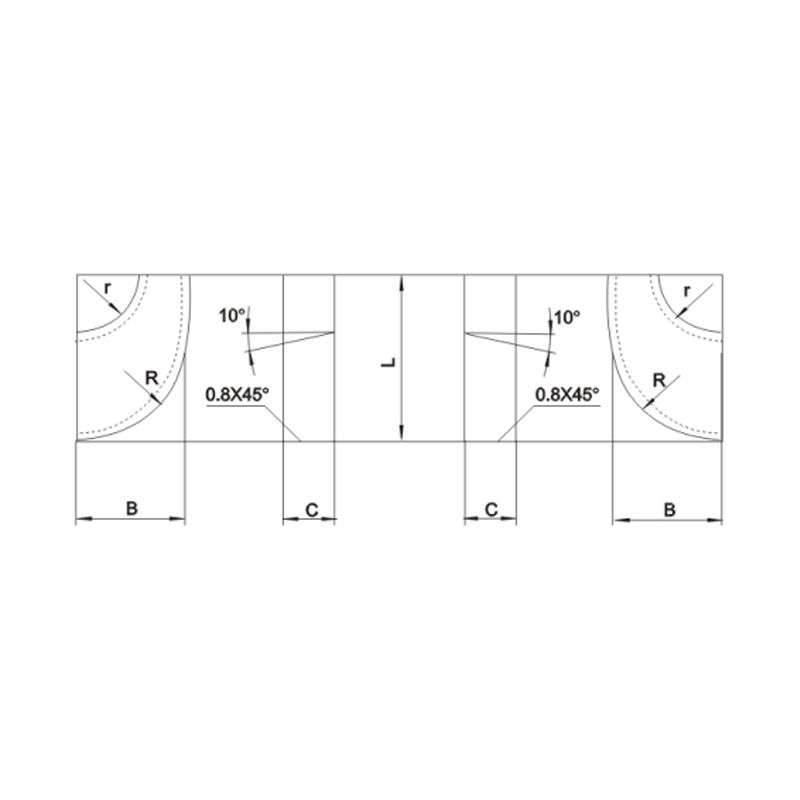
Welcome to our product page featuring the B3 Type Convex Circular Arc Shaping Turning Tool. Designed to meet the needs o...
See Details
Welcome to our product showcase featuring Scraper Milling Cutter Blades! Designed to meet the demanding requirements of ...
See Details
Welcome to our range of Carbide Inserts DQ Type (Q type spherical tooth), the pinnacle of durability and efficiency in d...
See Details
Contact Us