The Shift Toward Durable Solutions in Manufacturing
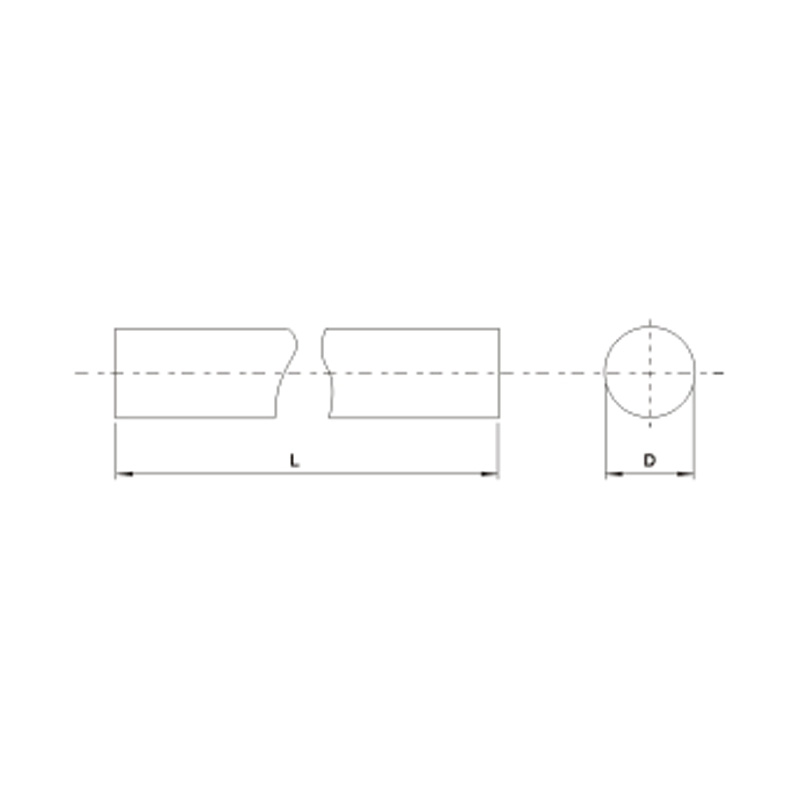
In industrial settings, the performance of wear parts directly influences productivity, maintenance schedules, and operational costs. As manufacturers evaluate their processes for opportunities to enhance reliability, materials known for extended service life are receiving increased consideration. Within this context, Carbide Flats are being identified as a practical option for applications where steel components wear down more quickly than desired. This material is being integrated into designs not as a novelty, but as a functional answer to specific durability challenges.
Addressing Common Challenges in Wear-Intensive Areas
Wear parts in machinery, such as guides, liners, wear plates, and seals, are routinely subjected to friction, abrasion, and impact. The gradual degradation of these parts can advance to a series of operational issues. Dimensional inaccuracies may develop in products, machinery may require more frequent adjustments, and unplanned downtime for part replacement disrupts production flow. Furthermore, worn parts can generate contaminating particles, which is a significant concern in industries like food processing or pharmaceuticals. The search for components that maintain their dimensional integrity over longer operational periods is a continuing focus for plant engineers and maintenance teams.
How Carbide Flats Function in Demanding Roles
Carbide Flats are being applied in these challenging roles due to a combination of material characteristics. Their resistance to abrasive wear allows them to retain critical dimensions far longer than some metallic alternatives in comparable environments. This dimensional stability translates to more consistent machine performance and product quality over the component's life. For example, in a bulk material handling system, a guide or chute lined with Carbide Flats can resist the erosive effect of the flow, maintaining a smooth pathway and preventing hang-ups that occur with worn, pitted surfaces.
Another consideration is the total cost associated with a component over time. While the initial procurement cost for a part made from Carbide Flats may be different from that of a standard steel part, the extended interval between replacements presents a different economic picture. Reduced frequency of change-outs means lower parts inventory, less labor dedicated to maintenance, and less machine downtime. For operations where stopping a production line is particularly disruptive, extending the run-time between scheduled maintenance can offer meaningful operational advantages.
Examples from the Field: Carbide Flats in Action
Observations from various sectors illustrate this trend. In woodworking machinery, feed rails and pressure bars made from Carbide Flats show reduced grooving from the passage of wood, maintaining precise alignment for cutting tools. In packaging equipment, jaws and seals fabricated from this material demonstrate an ability to withstand constant friction from films and papers while resisting corrosion from cleaning agents. These applications highlight a move toward selecting materials based on their sustained performance in the actual working environment.
Evaluating Materials for Long-Term Performance
The growing attention on Carbide Flats reflects a broader shift in manufacturing philosophy—from simply replacing worn parts to strategically selecting materials that alter the wear equation. It involves an assessment of the true cost of wear, encompassing parts, labor, downtime, and quality consistency. For engineers and procurement specialists, this means looking beyond initial price and considering how a material's inherent properties can address chronic wear points in their systems. As this practice becomes more common, materials like Carbide Flats are likely to be seen as standard options for enhancing the durability and predictability of industrial equipment.

 English
 中文简体
中文简体 русский

Contact Us