Understanding the Role of Carbide Flats
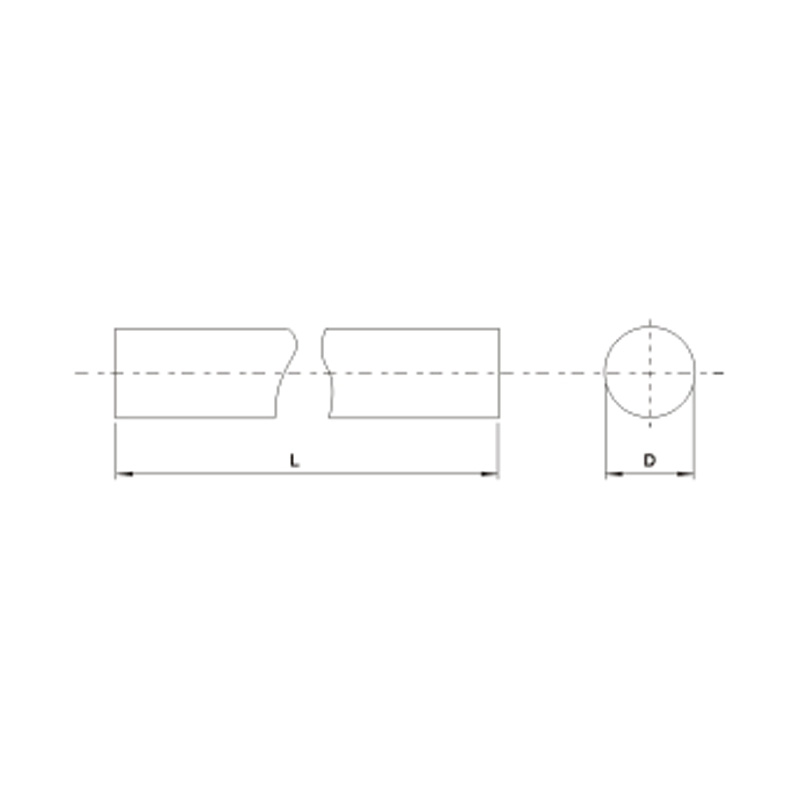
Carbide Flats play an important role in many industrial environments where stability, durability, and surface consistency are required for daily operations. These materials are often integrated into cutting tools, wear-resistant components, forming parts, and precision fixtures. Because they operate under continuous contact with hard surfaces or abrasive materials, maintaining their condition directly affects tool quality and the overall efficiency of production processes. Ensuring that Carbide Flats remain sharp, clean, and structurally sound is not only a routine practice but a necessary approach to achieve steady outcomes.
Why Proper Maintenance Matters
Well-maintained Carbide Flats support smoother motion, reduced vibration, and a more predictable working surface. If neglected, they may develop excess friction, chipped edges, or uneven wear patterns. Such conditions can cause disruptions in machining accuracy, reduce tool stability, or contribute to unexpected shutdowns. Maintenance also extends their service usefulness and helps technicians avoid frequent replacement. A structured care routine is therefore essential for keeping production environments stable.
Sharpening Techniques for Consistent Edges
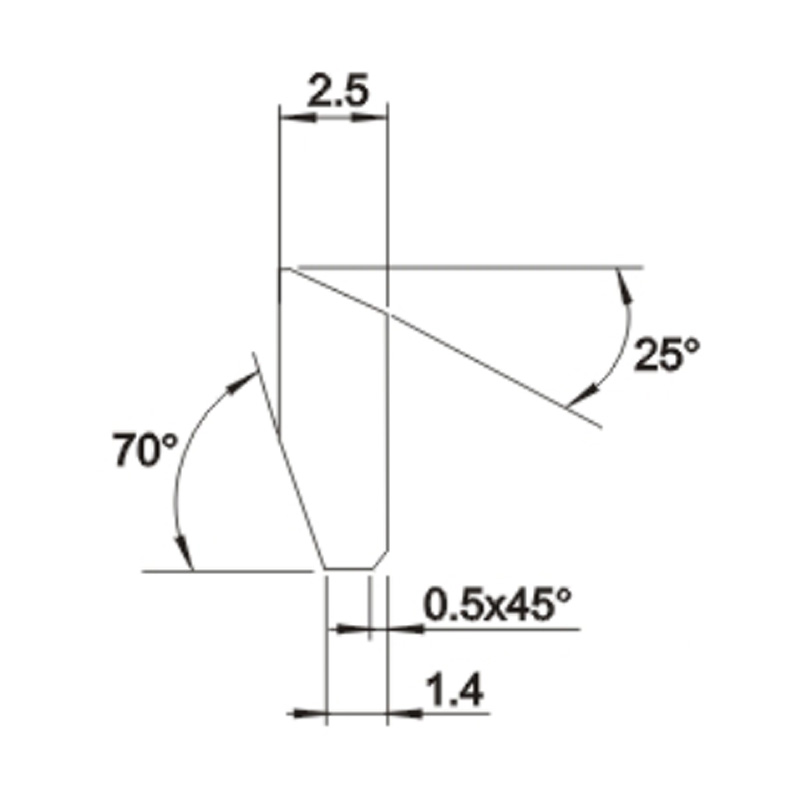
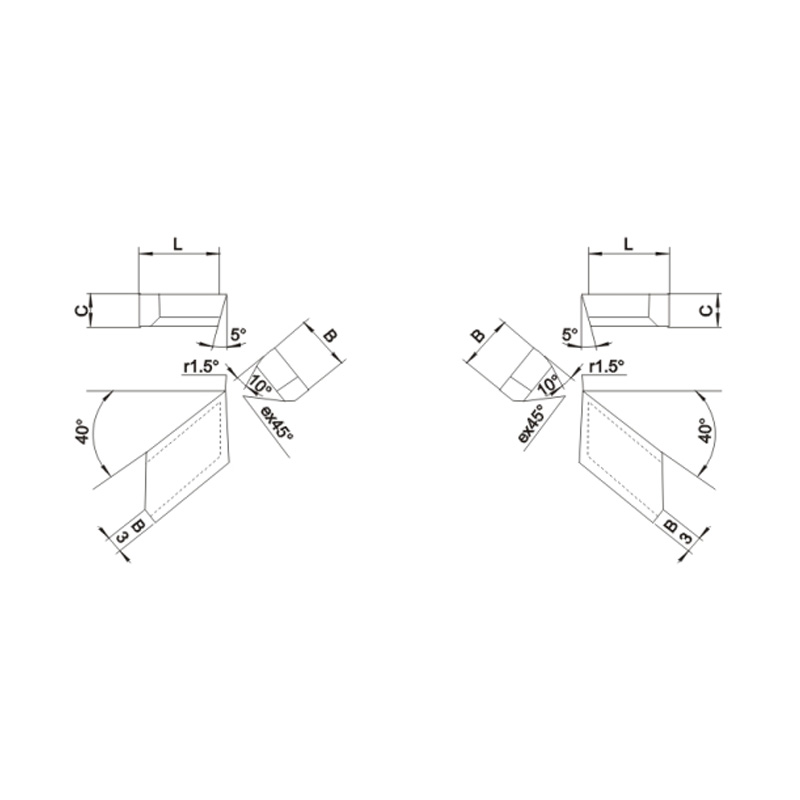
Sharpening Carbide Flats requires attention to abrasion methods and cooling practices. Grinding wheels designed for carbide materials allow controlled shaping while preventing edge damage. When sharpening, consistent pressure and a steady angle are important to prevent micro-fractures along the cutting surface. Coolant use helps reduce heat build-up, which can otherwise alter material performance or cause small cracks. For applications requiring specific edge geometries, technicians often choose angles based on the type of cutting or forming operation involved. A uniform finish after sharpening helps reduce drag and supports predictable contact with workpieces.
Daily Care and Surface Cleaning
Routine cleaning helps remove accumulated particles from metal chips, wood fibers, composite dust, or other residues. These particles, if left on the surface, may contribute to premature wear or uneven friction. Soft brushes or non-abrasive cloths are recommended to clear the surface. When stored, Carbide Flats should remain dry and protected from direct contact with objects that may scratch or deform the flat sides. Stacked storage should include separators to avoid accidental rubbing or corner impacts.
Storage Practices to Preserve Flatness
To maintain shape and flatness, Carbide Flats should be stored on stable racks or cushioned trays. Humidity control is beneficial, especially in environments with fluctuating temperatures. Although carbide materials resist many forms of corrosion, their binding components may still react to poor storage conditions over extended periods. A dry, vibration-free area prevents unnecessary contact and keeps the edges intact.
Identifying When Service Is Needed
Several signs indicate that maintenance or sharpening may be necessary. Visible wear marks, dull edges, or changes in the smoothness of cutting actions can signal performance decline. In some operations, increased vibration or unexpected surface texture on processed materials may point to worn Carbide Flats. Inspecting edges regularly helps technicians make timely decisions before significant degradation occurs.
Long-Term Benefits of Consistent Upkeep
A well-planned maintenance routine helps maintain machining stability and consistent product quality. Operators also benefit from predictable tool behavior, reduced interruptions, and improved workflow organization. In environments where demand fluctuates or production varies between different materials, these advantages become even more valuable. Proper care ensures that Carb

 English
 中文简体
中文简体 русский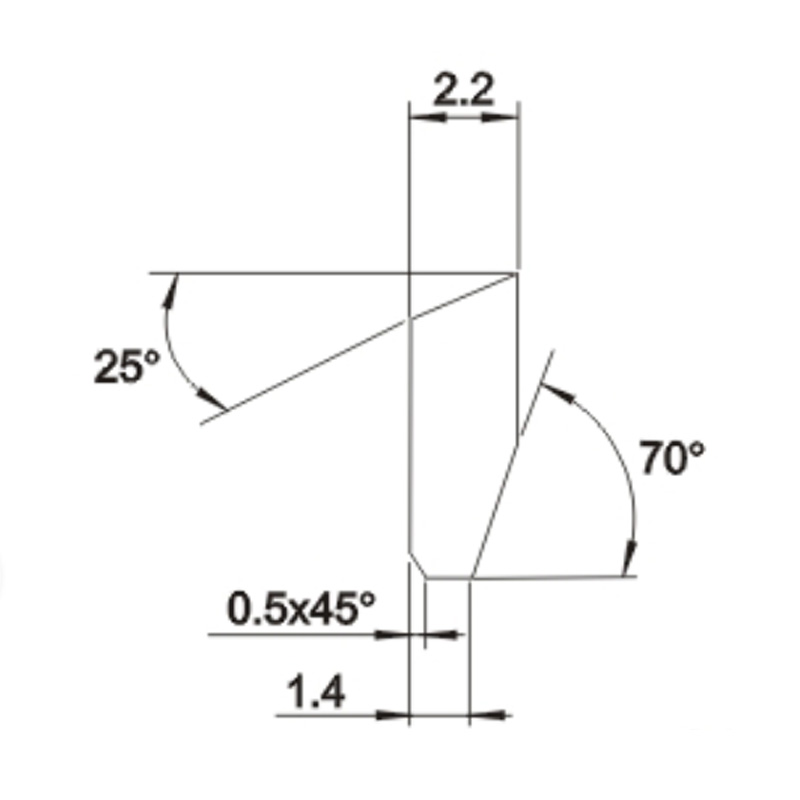

Contact Us