
 English
 中文简体
 русский
High hardness, high toughness cemented carbide flat steel
Cat:Cemented Carbide Flats
Welcome to our Cemented Carbide Flats section, where we take pride in offering top-quality carbide products designed to ...
See DetailsCarbide Flats play an important role in woodworking tools and precision cutting equipment, where edge retention and consistent machining results affect daily production. As manufacturers process different types of wood, plywood, and engineered boards, tool wear and cutting quality remain common concerns. Choosing suitable tungsten carbide flats can help tool producers improve component durability, reduce frequent replacements, and maintain stable cutting performance.
Woodworking tools do not operate under identical conditions. Solid hardwood, plywood, MDF, and laminated boards can place different demands on cutting edges. Some materials contain adhesives or abrasive particles that accelerate tool wear, while changes in moisture content may influence cutting resistance.
For tool manufacturers, this means carbide material selection should consider the materials being processed. A carbide flat designed for general woodworking may not provide the same performance in applications involving abrasive engineered boards.
Understanding the cutting environment helps buyers communicate more accurate requirements to their carbide suppliers.
Tungsten carbide is widely used in cutting tools because of its hardness and wear resistance. However, hardness alone does not determine whether a carbide component is suitable for a particular tool.
A cutting edge that is too brittle for its operating conditions may experience chipping when exposed to impact or uneven cutting loads. On the other hand, insufficient wear resistance may result in faster edge deterioration.
When selecting carbide flats, buyers should consider carbide grain size, cobalt binder content, and the balance between hardness and toughness. The appropriate grade depends on tool design and actual cutting conditions.
The condition of the cutting edge directly affects how a woodworking tool interacts with the material. Grinding quality, edge geometry, and surface finishing can influence cutting smoothness and tool stability.
Before ordering carbide flats for further machining, buyers should clarify whether they need ground surfaces, specific edge preparations, or additional finishing allowances.
For custom tooling projects, sharing drawings and machining requirements with the manufacturer can help establish suitable production specifications and reduce unnecessary adjustments during assembly.
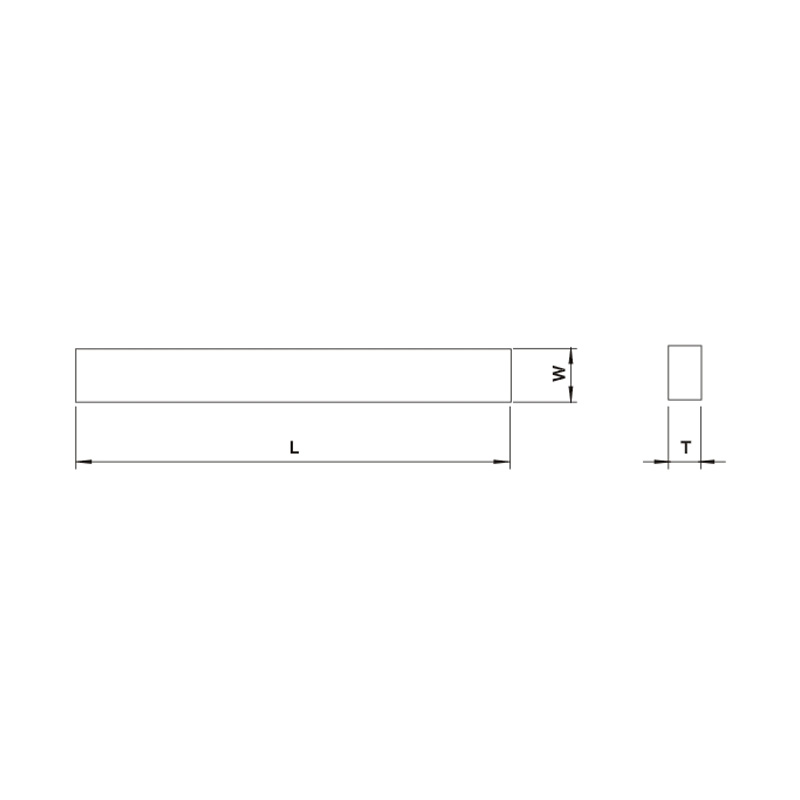
Carbide flats and carbide strips are used in various woodworking tool designs, including:
The required dimensions and material grade vary according to the tool structure, cutting speed, and processed material.
Standard sizes may not meet the requirements of every woodworking tool design. Some manufacturers need customized carbide flats with specific thicknesses, widths, lengths, or grinding allowances.
When requesting a quotation, buyers should provide:
These details allow the production team to assess the machining requirements before confirming the order.
For overseas distributors and OEM tool manufacturers, introducing a new carbide supplier involves more than comparing quotations. Material consistency and dimensional accuracy should also be evaluated before moving into regular production.
A practical approach is to request samples for dimensional inspection and application testing. Buyers can then check whether the carbide material fits their tool design and performs as expected under actual working conditions.
It is also useful to confirm whether the supplier can maintain the same specifications for subsequent batches.
A stable carbide supply supports woodworking tool production, product development, and inventory planning. Manufacturers should be able to communicate clearly about material grades, customized dimensions, grinding requirements, and quality inspection.
For businesses sourcing Carbide Flats, choosing a supplier with relevant manufacturing and finishing capabilities makes it easier to develop components for different cutting applications. By evaluating the complete tool requirements rather than purchasing according to dimensions alone, buyers can make more informed decisions and establish a dependable sourcing process.
Welcome to our Cemented Carbide Flats section, where we take pride in offering top-quality carbide products designed to ...
See Details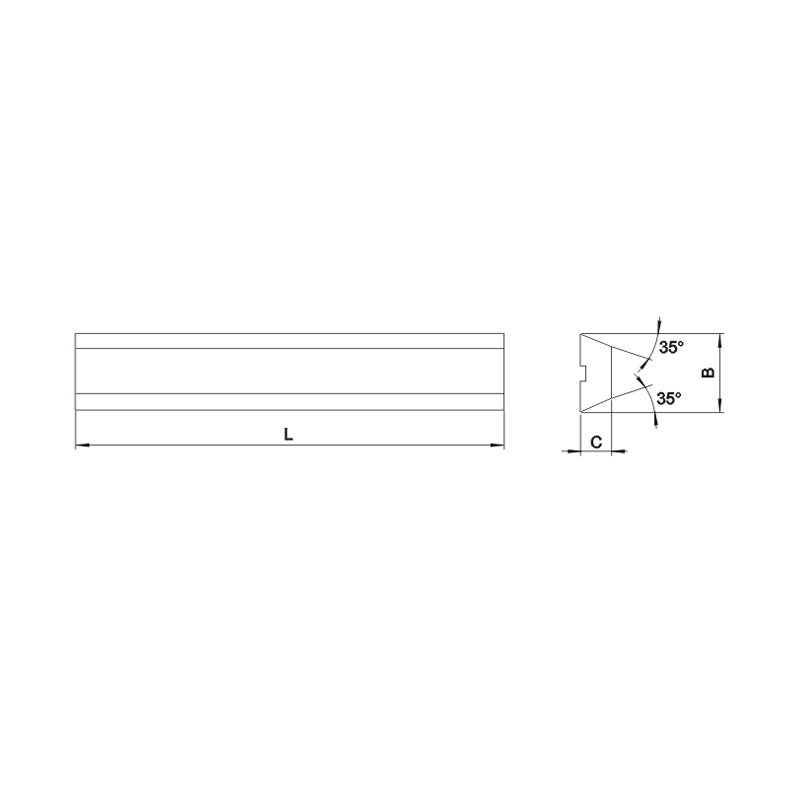
Welcome to our Carbide Knives Series B Type product page! Our company takes pride in offering high-quality carbide knive...
See Details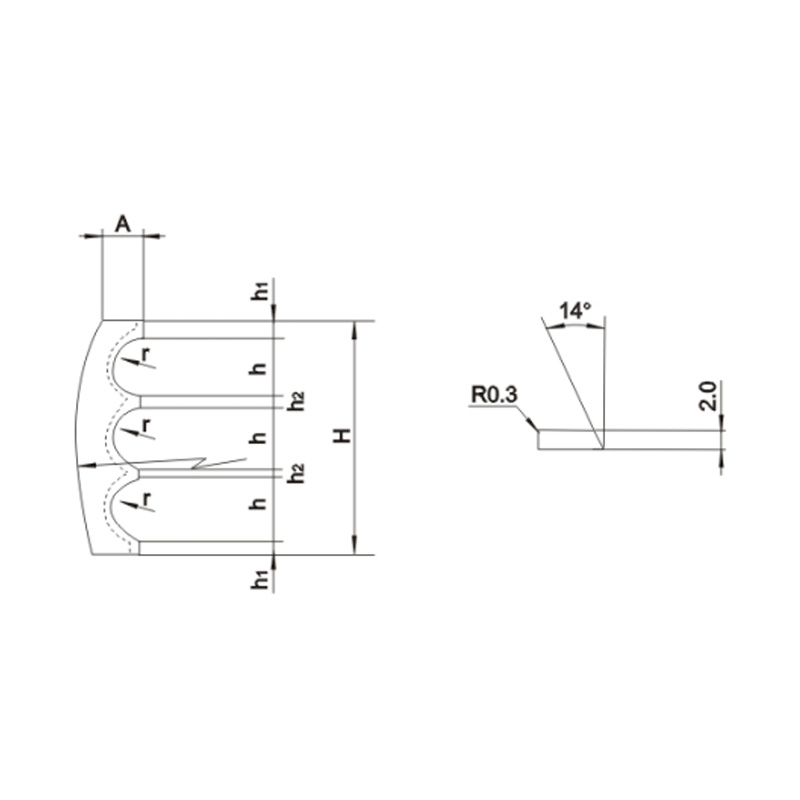
Introducing our Three Pearlite Blade, a remarkable tool designed to elevate your decorative cutting tasks to new heights...
See Details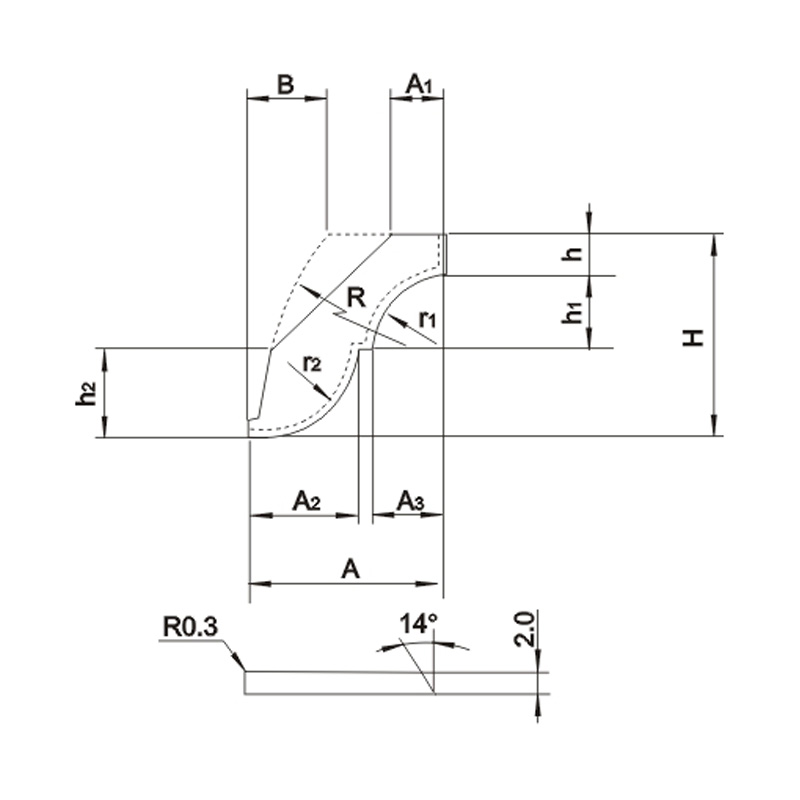
Welcome to our product showcase featuring the Double-Sided Door Panel Edge Profile Cutter Blade! Designed for precision ...
See Details
Welcome to our product page featuring the versatile A4 Type for cylindrical turning tool, boring cutter, and facing tool...
See Details
Contact Us