
 English
 中文简体
 русский
A3 Type For Facing Tool And Cylindrical Tuming Tool
Cat:Cemented Carbide Cutting Tools
Welcome to our product page showcasing the A3 Type for facing tool and cylindrical turning tool! Designed for precision ...
See DetailsCarbide Flats are commonly used in industrial tools and machinery where components face continuous friction, repeated contact, and material abrasion. For tool manufacturers and industrial buyers, selecting the right tungsten carbide flat is closely related to maintenance costs, production efficiency, and component replacement frequency. Understanding how material grades, surface finishing, and working conditions affect performance can help buyers make more practical purchasing decisions.
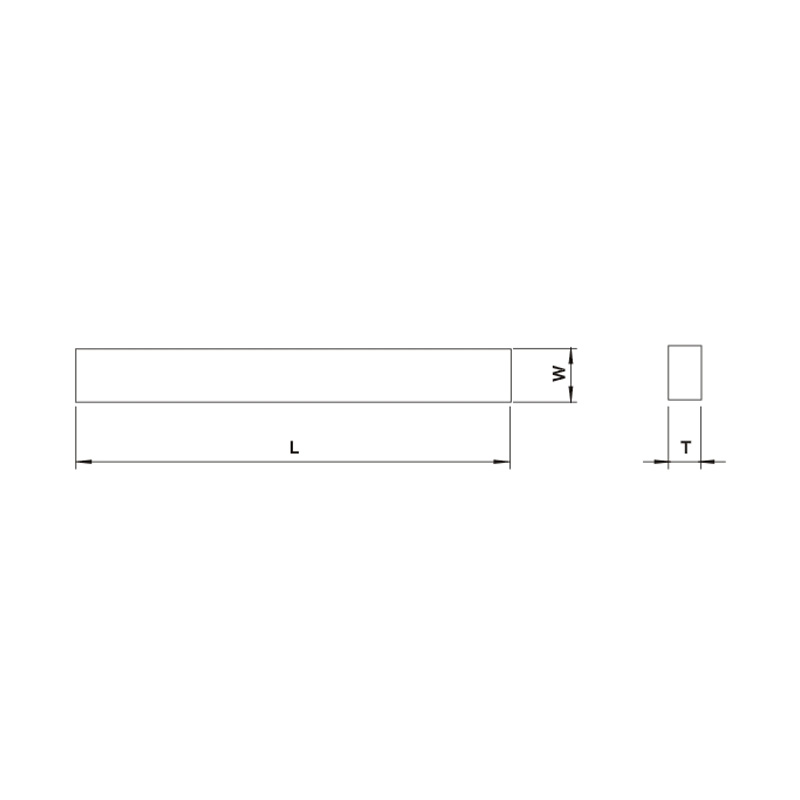
Wear does not happen in the same way across every application. Some carbide components experience sliding friction, while others are exposed to abrasive particles, impact, or repeated pressure. These conditions influence how quickly a component loses material or develops surface damage.
For example, carbide strips used in woodworking equipment may encounter wood fibers, resin, and dust during operation. Industrial guide components may experience continuous contact with moving parts. Identifying the actual wear pattern is an important step before choosing a carbide specification.
Tungsten carbide combines high hardness with good compressive strength, making it suitable for components that need to maintain their working surfaces under demanding conditions.
The binder content and carbide grain structure also influence material behavior. A grade with higher hardness may provide good abrasion resistance, while applications involving impact may require a different balance between hardness and toughness.
As a manufacturer, we recommend selecting carbide flats according to the operating environment rather than relying on a general-purpose grade for every project.
Surface condition is another detail that industrial buyers should consider. Depending on the application, carbide flats may require precision grinding to achieve controlled dimensions and a consistent contact surface.
Poor finishing can create installation difficulties or affect the contact between mating components. For precision tooling, buyers should confirm the required thickness tolerance, flatness, parallelism, and surface roughness before production.
Providing a technical drawing helps manufacturers determine the appropriate grinding process and inspection requirements.
Different machines and tools require different material specifications. Before placing an order, procurement teams should consider several factors:
These details help reduce the risk of selecting a carbide flat that does not match the actual application.
Standard carbide flat sizes may not fit every equipment design. Tool manufacturers often require customized dimensions to match existing assemblies or new product development projects.
Custom tungsten carbide flats can be manufactured according to drawings, samples, or specified dimensional requirements. Depending on the production process, additional grinding may be available to achieve the required tolerances.
For bulk buyers, confirming sample dimensions and inspection standards before mass production can help maintain consistency across repeat orders.
When evaluating a carbide flats supplier, price should not be the only consideration. Buyers should also understand the manufacturer's production and quality control processes.
Useful questions include:
Clear answers to these questions make supplier evaluation and technical communication more efficient.
For distributors, machinery manufacturers, and industrial tool producers, stable component quality is important for maintaining production schedules. A reliable procurement plan should include confirmed specifications, agreed inspection requirements, and clear communication about repeat-order quantities.
Carbide Flats are not simply replacement materials; they are functional components that influence equipment operation and maintenance planning. By working with an experienced manufacturer and matching material grades, dimensions, and finishing processes to real working conditions, buyers can develop a more consistent supply strategy for their industrial applications.
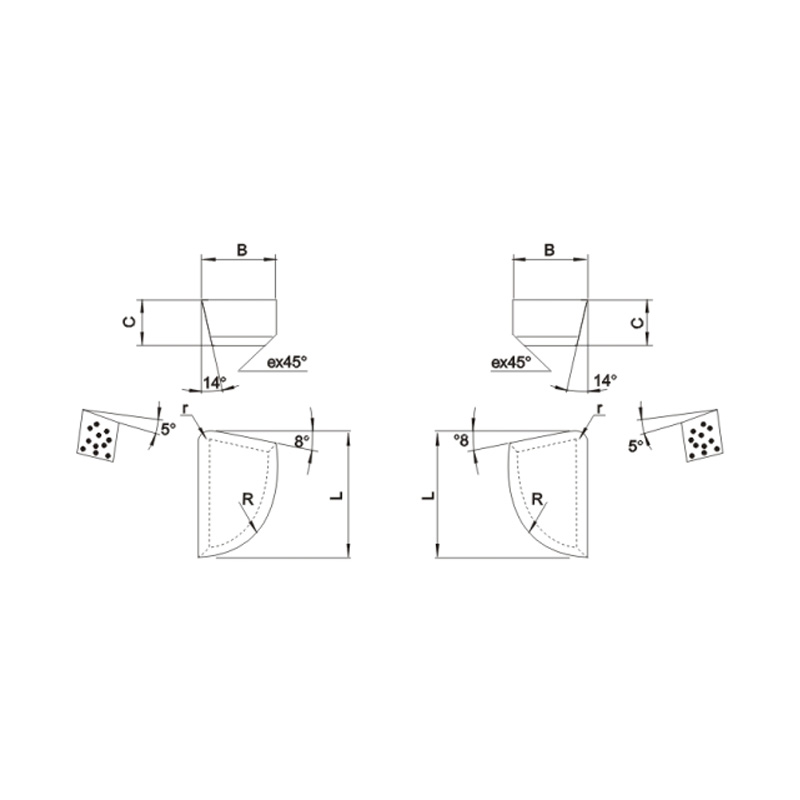
Welcome to our product page showcasing the A3 Type for facing tool and cylindrical turning tool! Designed for precision ...
See Details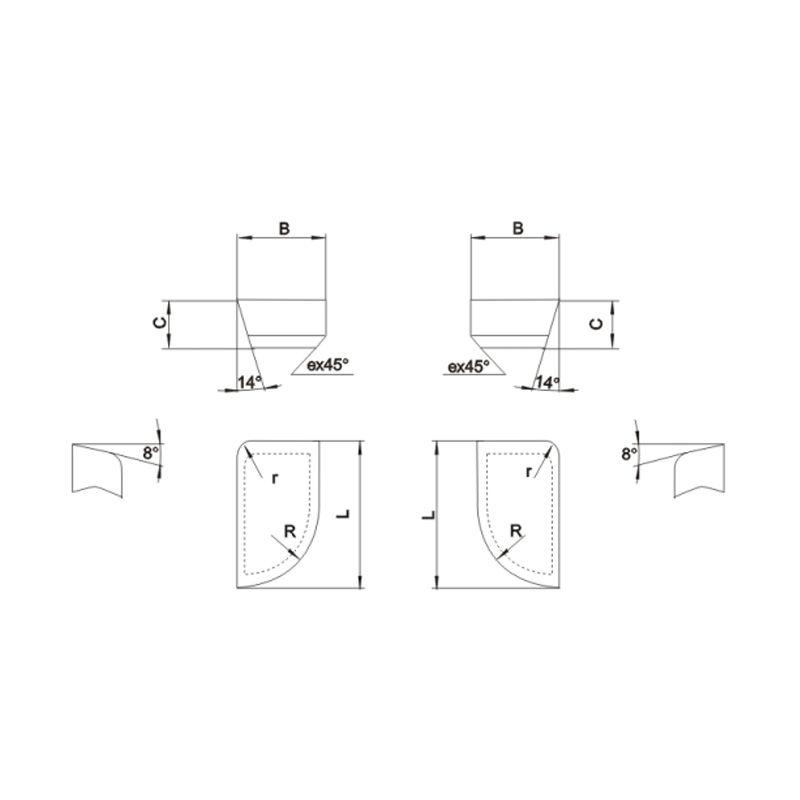
Welcome to our product page featuring the versatile A4 Type for cylindrical turning tool, boring cutter, and facing tool...
See Details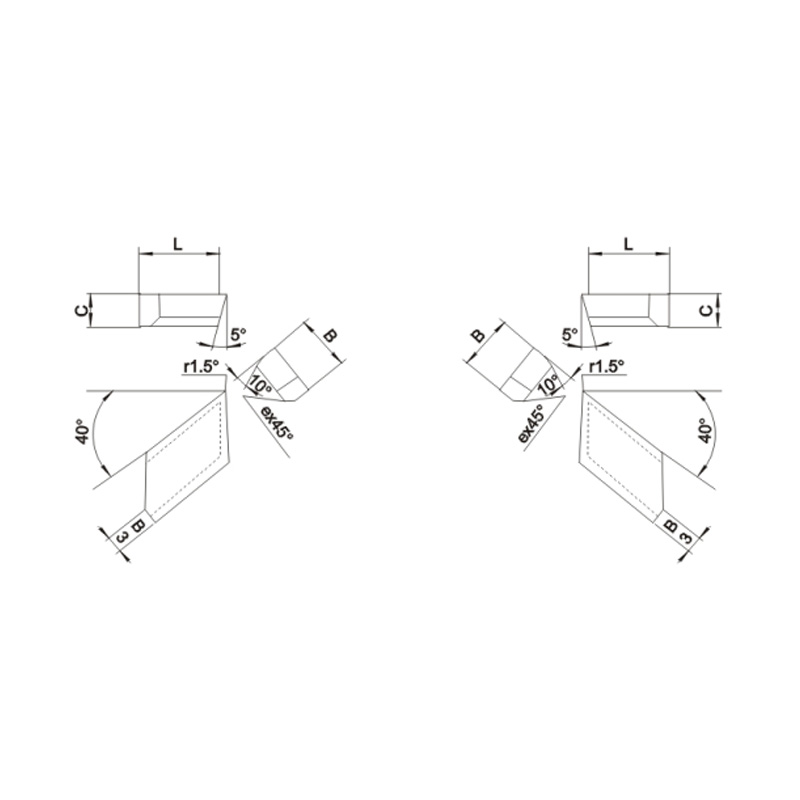
Welcome to our product page featuring the B1 Type shaping turning tool, dovetail groove cutter, and dovetail groove wond...
See Details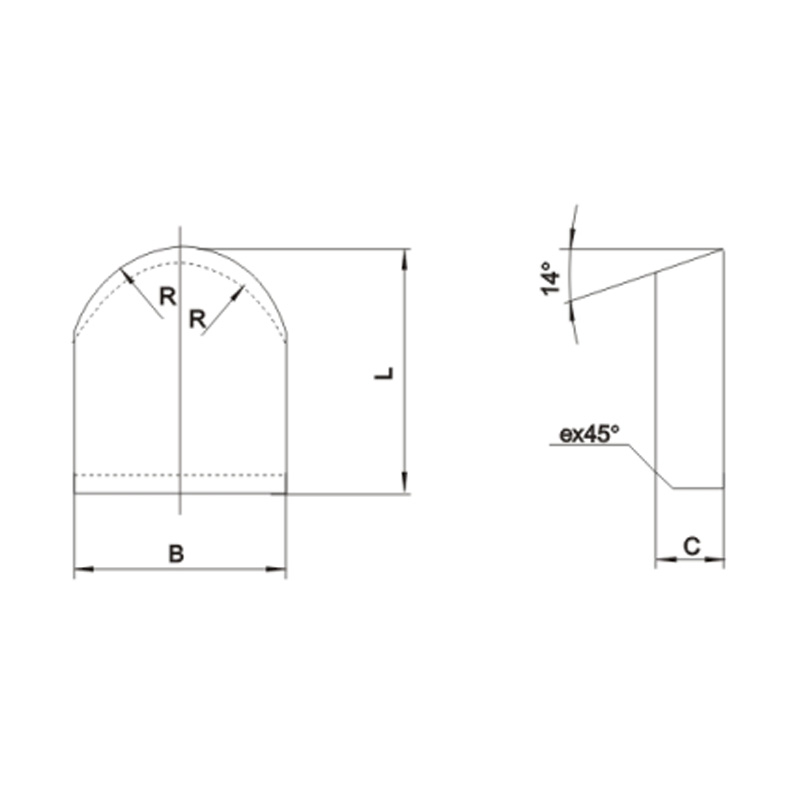
Welcome to our product page featuring the B2 Type for concave circular arc shaping turning tool and flange turning tool!...
See Details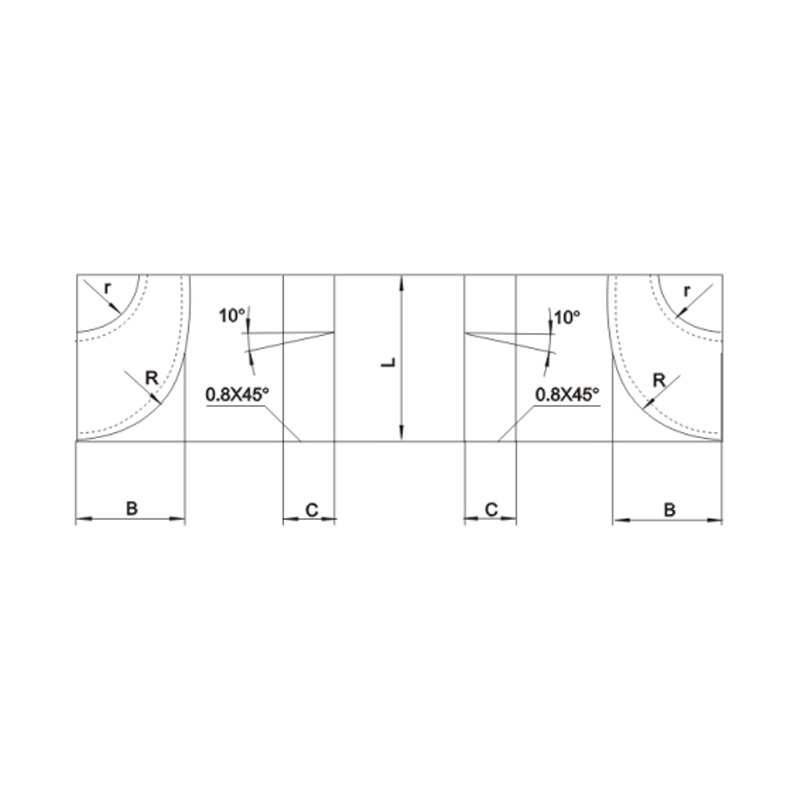
Welcome to our product page featuring the B3 Type Convex Circular Arc Shaping Turning Tool. Designed to meet the needs o...
See Details
Contact Us