
 English
 中文简体
中文简体 русский
MKW-12 series saw blades combine precision and durability
Cat:Cemented Carbide Tips for Woodworking
Elevate your woodworking experience with our MKW-12 Series Saw Blades, meticulously crafted to meet the demands of high-...
See DetailsIn modern machining and manufacturing, tool performance directly affects production efficiency, surface quality, and maintenance costs. Many workshops and industrial buyers are paying more attention to wear resistance and stable cutting performance when selecting cutting components. Cemented Carbide Tips have become a practical choice for applications that require reliable cutting results, especially in industries involving metal processing, woodworking, and precision manufacturing. Understanding material selection, application conditions, and maintenance methods helps buyers choose suitable Cemented Carbide Tips for their specific needs.
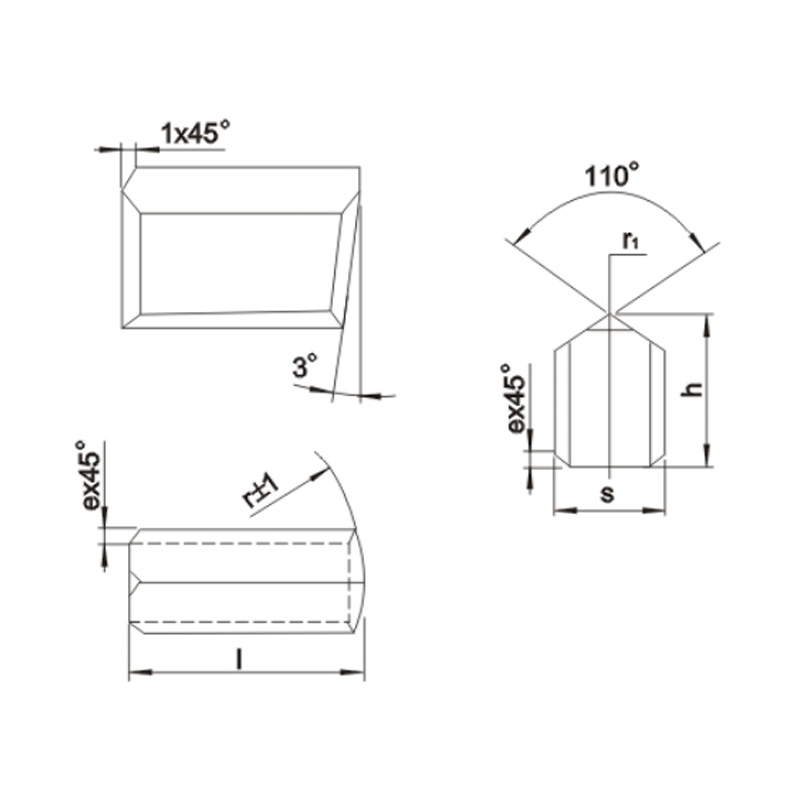
Different machining tasks require different levels of hardness, toughness, and heat resistance. Selecting the right carbide grade is an important step for engineers and procurement teams. A tip designed for high-speed cutting may require different characteristics compared with one used for heavy-duty machining.
When choosing carbide cutting tips, buyers often consider:
A suitable combination of carbide composition and tip design can help reduce unnecessary downtime and maintain consistent production quality.
Manufacturing companies are continuously looking for ways to improve productivity while controlling operating expenses. Tool replacement and machine interruptions can influence production schedules, making durable cutting solutions an important consideration.
Cemented carbide inserts are widely used because they maintain cutting ability under demanding working conditions. Their wear resistance allows operators to handle repeated machining operations while keeping processing quality stable. For businesses managing large production volumes, choosing reliable carbide tips can support smoother workflow management.
Cemented carbide tips are used in many industrial environments due to their adaptability. They are commonly found in turning, milling, drilling, and other cutting processes.
Typical application areas include:
Each application has different requirements. For example, manufacturers producing precision parts may focus more on dimensional accuracy, while heavy machining operations may prioritize impact resistance and tool stability.
Beyond material quality, the design of the carbide tip also affects cutting performance. Factors such as geometry, edge preparation, coating options, and surface treatment can influence how the tool performs during operation.
Engineers usually evaluate:
A well-designed carbide tip can help reduce vibration, improve machining consistency, and provide better control during production.
Although cemented carbide tools are designed for demanding applications, proper usage and maintenance remain important. Incorrect cutting parameters, unsuitable workpiece materials, or poor storage conditions may affect tool performance.
Simple practices can help maintain tool condition:
These steps allow operators to achieve more predictable results and reduce avoidable tool-related issues.
For international buyers, product consistency and technical support are important factors when selecting carbide tool suppliers. Companies often look for suppliers that can provide stable quality, customization options, and solutions suitable for different machining requirements.
A professional Cemented Carbide Tips supplier can support customers with customized dimensions, material selection guidance, and application recommendations. This helps businesses match cutting tools with their production processes instead of relying on general-purpose products.
As manufacturing continues to develop toward higher efficiency and precision, the demand for dependable cutting solutions keeps growing. Selecting suitable Cemented Carbide Tips allows engineers and buyers to improve machining stability, manage production costs, and achieve consistent processing performance. For companies searching for durable carbide cutting solutions, understanding application requirements and product features is an important step toward making better purchasing decisions..
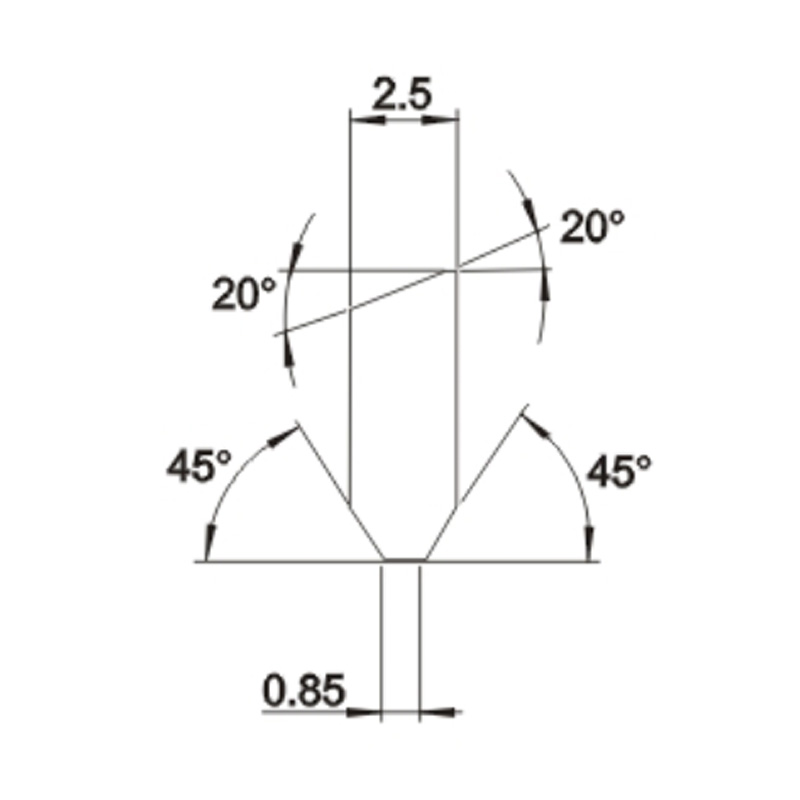
Elevate your woodworking experience with our MKW-12 Series Saw Blades, meticulously crafted to meet the demands of high-...
See Details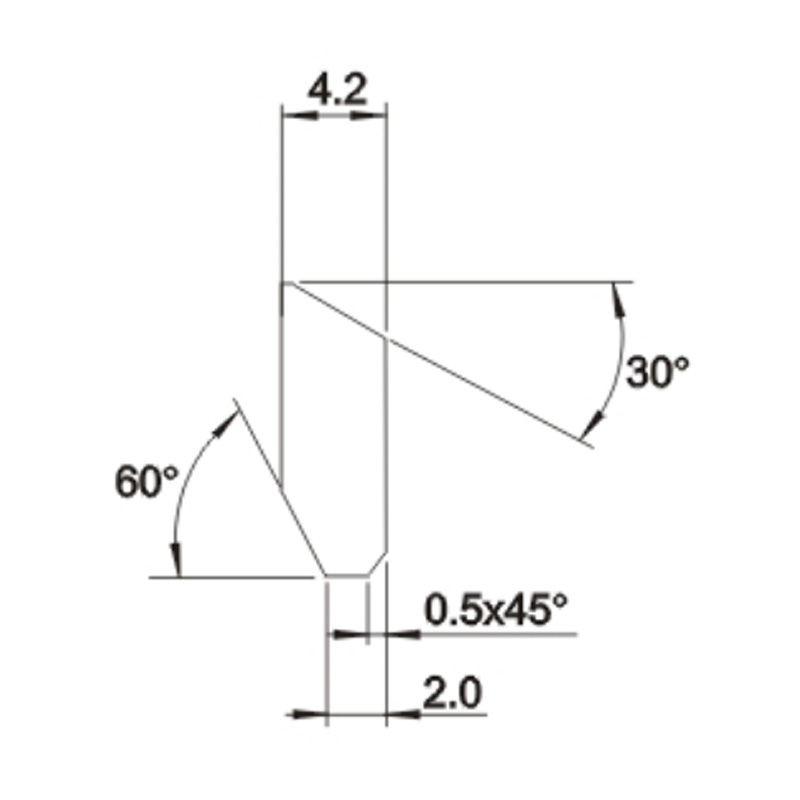
Welcome to our MKW-14 Series Saw Blades product showcase! Crafted with precision engineering and top-quality materials, ...
See Details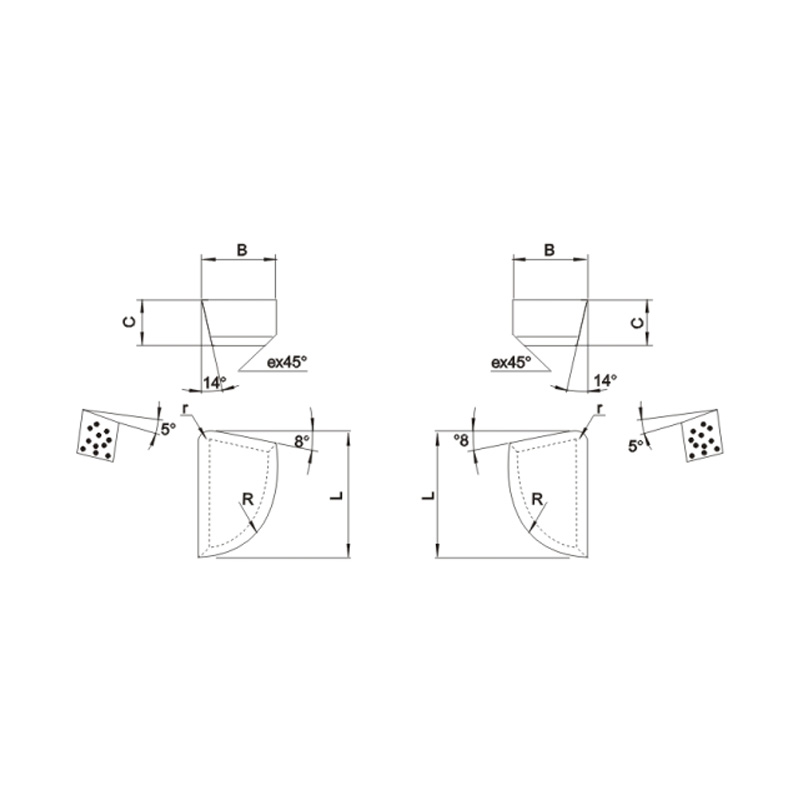
Welcome to our product page showcasing the A3 Type for facing tool and cylindrical turning tool! Designed for precision ...
See Details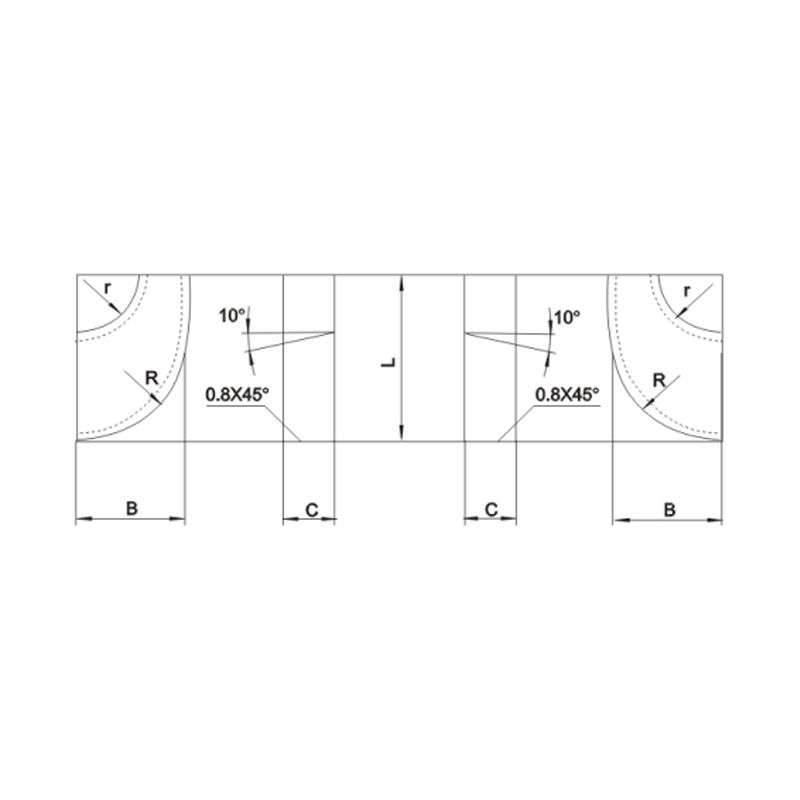
Welcome to our product page featuring the B3 Type Convex Circular Arc Shaping Turning Tool. Designed to meet the needs o...
See Details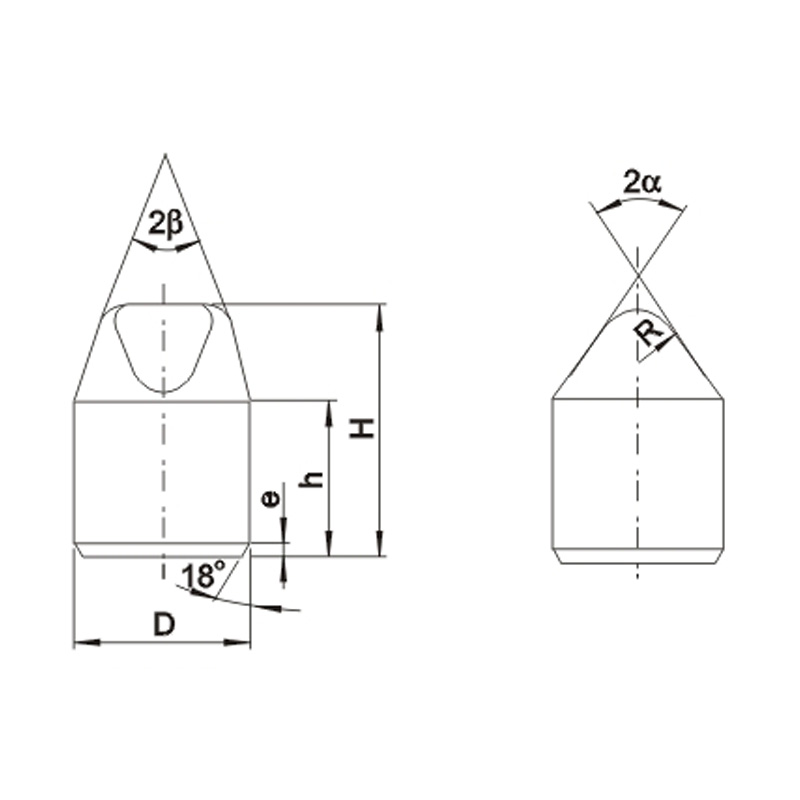
Carbide Inserts DX Type (X type wedge tooth) are cutting-edge tools designed for precision drilling and hole-making appl...
See Details
Contact Us