In daily manufacturing operations, small tool performance issues can create unexpected production pressure. Problems such as unstable cutting, frequent tool replacement, and inconsistent surface finishes often affect machining efficiency. With growing attention toward reliable and cost-conscious solutions, Cemented Carbide Tips are becoming an important choice for companies working with metal processing, precision parts, and industrial components. Selecting suitable Cemented Carbide Tips based on actual working conditions helps engineers achieve smoother operations and better control over machining results.
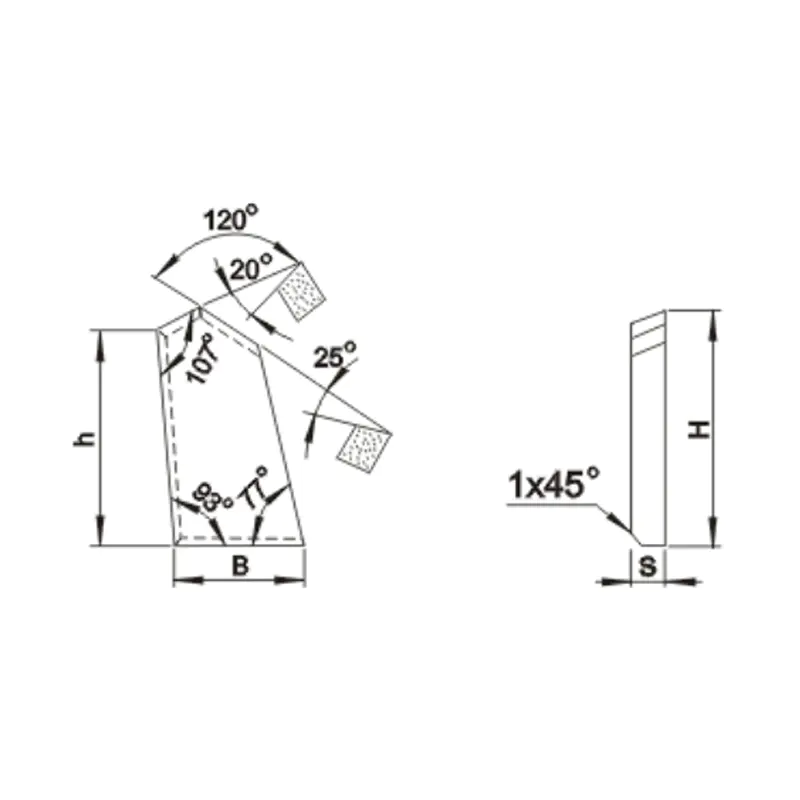
Addressing Tool Wear in Continuous Machining Processes
Tool wear is one of the common concerns among machining professionals. During long production cycles, cutting edges are exposed to friction, heat, and mechanical stress, which may gradually reduce processing accuracy.
Cemented carbide cutting tips are designed to maintain cutting performance under repeated machining conditions. Their hardness and wear-resistant characteristics make them suitable for applications where stable processing is required. For production teams, this means fewer interruptions caused by premature tool replacement and more predictable daily workflow.
When evaluating carbide tips, engineers usually pay attention to:
- Cutting conditions and machine capability.
- Workpiece material characteristics.
- Required machining accuracy.
- Production frequency and operating environment.
These factors help determine whether a specific tip design can meet practical machining requirements.
Matching Carbide Tips with Different Materials
A common challenge for buyers is choosing a carbide tip that performs effectively across different materials. Steel, stainless steel, cast iron, and non-ferrous metals each create different cutting conditions during machining.
Using an unsuitable tip may result in problems such as poor chip control, increased vibration, or reduced tool service life. Therefore, material compatibility is an important part of the purchasing decision.
For example, machining harder materials often requires carbide solutions with suitable toughness, while precision finishing operations may focus more on edge sharpness and surface quality. A clear understanding of application requirements helps companies reduce unnecessary testing and replacement costs.
Improving Production Efficiency Through Tool Optimization
Many manufacturers are looking for practical ways to improve production without changing their entire machining setup. Optimizing cutting tools is often a manageable improvement that can influence overall productivity.
A properly selected cemented carbide tip supports smoother cutting processes by maintaining stable contact with the workpiece. In industries including automotive parts, machinery components, mold production, and general fabrication, consistent cutting performance contributes to better production planning and process control.
Tool selection often involves several details:
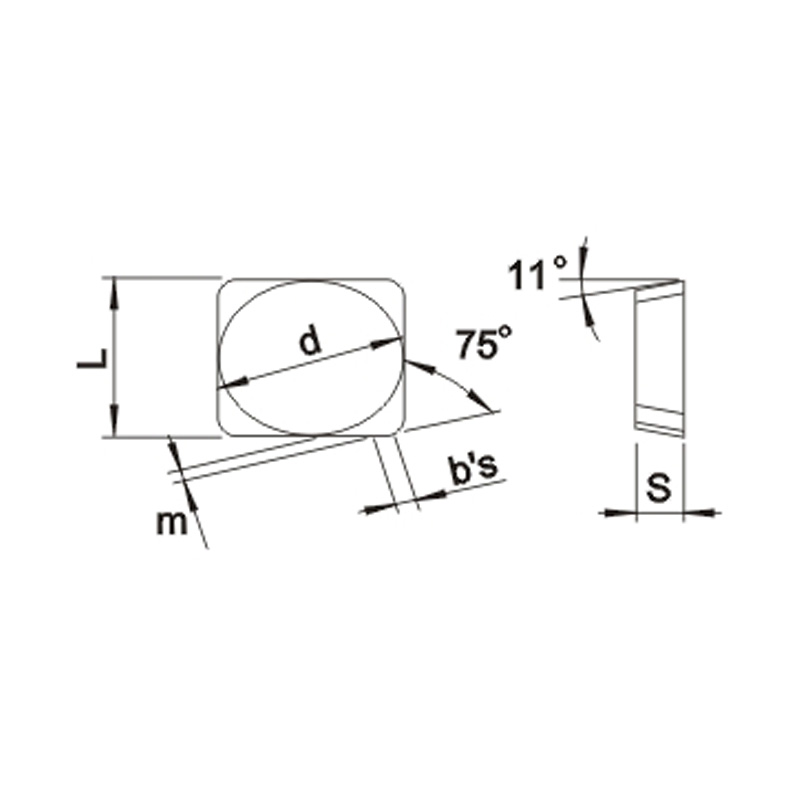
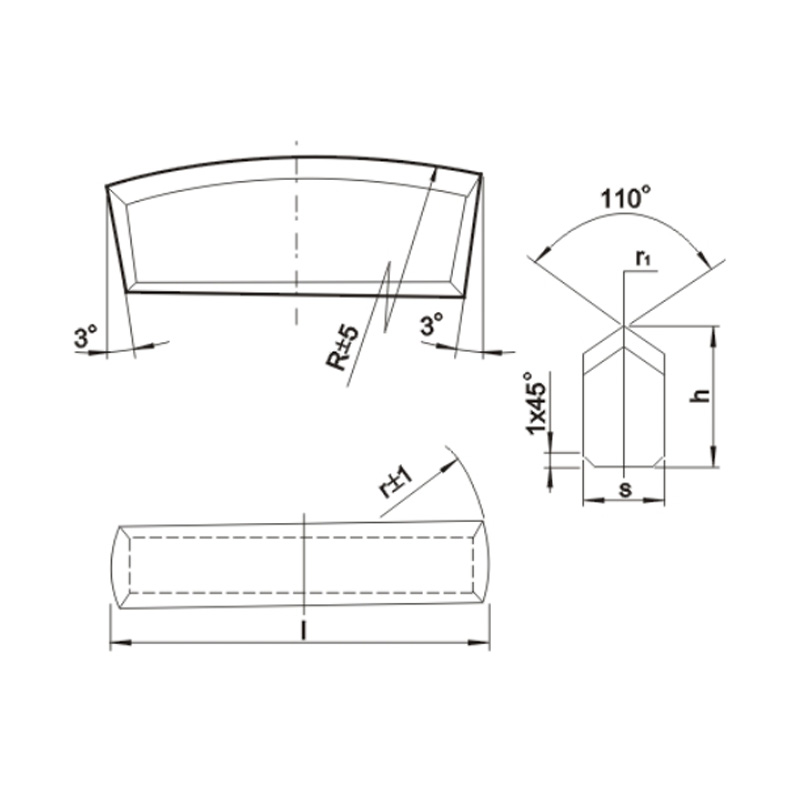
- Tip shape and geometry for different machining operations.
- Compatibility with existing holders and equipment.
- Cutting speed and feed requirements.
- Surface treatment options for specific applications.
These elements work together to influence machining quality and production stability.
Reducing Machining Problems Through Proper Usage
Even reliable cutting tools require correct operating methods. Many machining issues are related to unsuitable cutting parameters, improper installation, or incorrect storage rather than the tool material itself.
To achieve more consistent results, operators can focus on:
- Setting suitable cutting conditions according to workpiece materials.
- Checking tool installation before production begins.
- Keeping unused tips protected from damage.
- Inspecting cutting edges during regular maintenance.
These practices help maintain stable machining performance and reduce avoidable production interruptions.
Supporting Customized Needs in Global Markets
Different customers operate under different machining environments, creating demand for flexible carbide tip solutions. Factors such as component size, processing method, and production requirements may influence the ideal tool selection.
Technical support in areas such as carbide grade recommendations, dimensional requirements, and application guidance helps buyers identify suitable options for their projects. This approach allows companies to select tools according to actual production needs instead of relying only on standard configurations.
Building Reliable Machining Results with Better Tool Selection
As manufacturing processes continue to focus on precision and efficiency, cutting tool selection remains an important part of production management. Companies are paying more attention to solutions that provide consistent performance and support long-term operational stability.
By understanding machining conditions and selecting suitable Cemented Carbide Tips, businesses can improve processing consistency, reduce unnecessary downtime, and maintain reliable product quality. For engineers and buyers seeking practical cutting solutions, Cemented Carbide Tips provide valuable support in modern machining applications.

 English
 中文简体
中文简体 русский

Contact Us