
 English
 中文简体
中文简体 русский
MKW-14 series saw blades offer reliable performance and durability
Cat:Cemented Carbide Tips for Woodworking
Welcome to our MKW-14 Series Saw Blades product showcase! Crafted with precision engineering and top-quality materials, ...
See DetailsCarbide Burr and Carbide End Mill tools are widely used across metalworking industries for both roughing and finishing tasks. Carbide Burrs are essential for shaping, deburring, and refining edges after milling operations, while Carbide End Mills perform the primary cutting, slotting, and contouring functions. The performance of Carbide End Mills is highly influenced by their coatings, which play a critical role in improving durability, reducing wear, and enabling higher cutting speeds. Proper coating selection can significantly impact efficiency, tool life, and overall machining results.
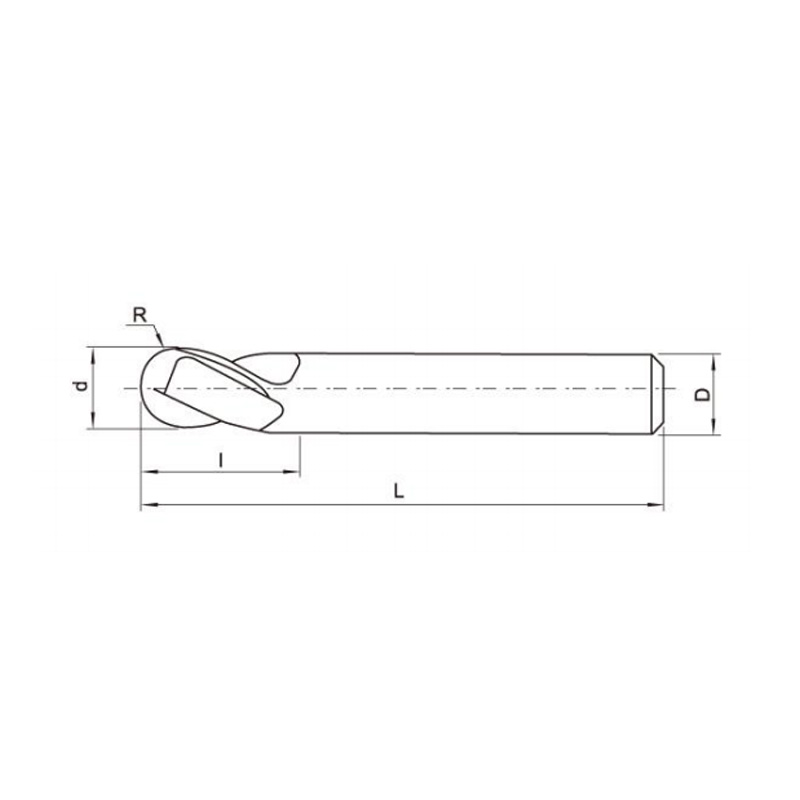
There are several commonly used coatings for Carbide End Mills, each designed to provide specific benefits. Titanium Aluminum Nitride (TiAlN) coatings enhance heat resistance, making them suitable for high-speed machining of steel and alloys. Aluminum Titanium Nitride (AlTiN) coatings are effective in reducing wear and extending tool life during prolonged operations. Diamond-Like Carbon (DLC) coatings help reduce friction and prevent chip sticking, which is particularly useful for machining abrasive materials. Selecting the right coating depends on the material being machined and the specific application requirements.
Coatings provide a protective layer that prevents the cutting edge from wearing too quickly. This allows the tool to maintain accuracy and surface finish for longer periods. Higher cutting speeds can be achieved without compromising tool life, improving throughput in production environments. Carbide Burrs also benefit indirectly from coated end mills, as smoother initial cuts reduce the effort required for finishing and minimize the risk of excessive burr formation.
Different materials require different coating strategies. Aluminum and other soft metals may require less aggressive coatings to prevent chip adhesion and surface damage. Stainless steel, hardened alloys, and high-strength materials need coatings that provide thermal resistance and durability under heavy cutting conditions. By choosing coatings that match the material, machinists can reduce tool replacements and maintain consistent cutting quality.
Coated Carbide End Mills improve operational efficiency by reducing downtime and ensuring more predictable performance. Consistent chip formation, reduced heat buildup, and improved wear resistance allow operators to run longer cutting cycles without interruptions. Carbide Burrs, when used with properly coated end mills, help achieve smooth finishes and precise contours in hard-to-reach areas. This synergy between the two tools improves overall workflow efficiency across a variety of machining processes.
Coated Carbide End Mills are widely used in automotive, aerospace, mold making, and general manufacturing. Automotive components such as engine blocks and transmission parts benefit from the combination of durability and precision that coated end mills provide. In aerospace, the cutting of titanium alloys and high-strength steels requires tools with advanced coatings to maintain dimensional accuracy. Carbide Burrs are commonly applied for finishing operations, ensuring clean edges and smooth surfaces after milling or slotting.
Coatings on Carbide End Mills are critical for extending tool life, improving machining efficiency, and allowing higher cutting speeds. When paired with Carbide Burrs for finishing, these tools provide a complete solution for a range of materials and applications. Understanding the characteristics of each coating and matching them to the material and operation requirements helps machinists achieve consistent results, reduce tool replacement frequency, and enhance the overall quality of machined components.
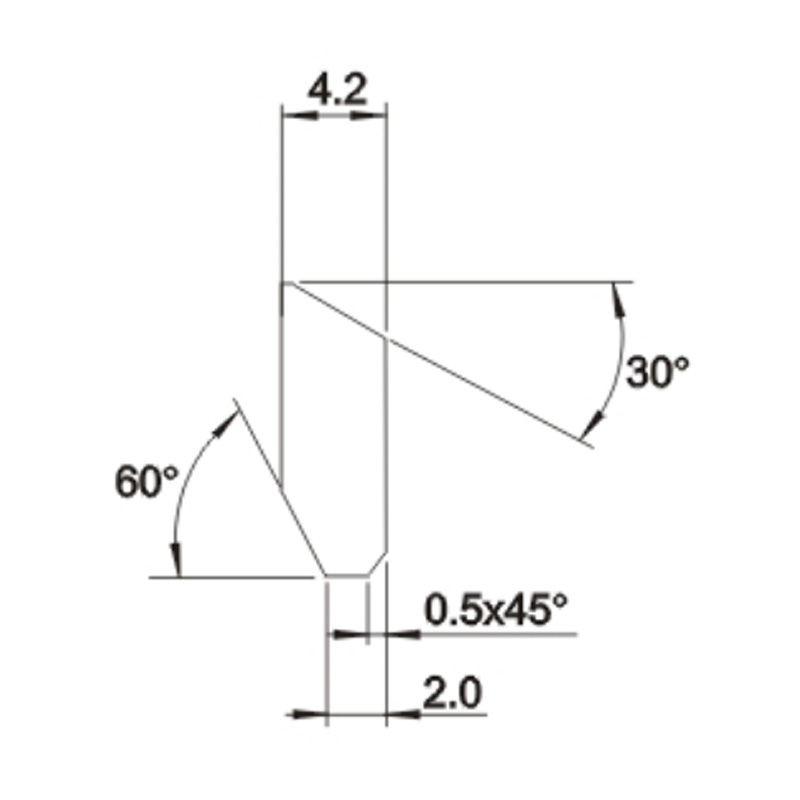
Welcome to our MKW-14 Series Saw Blades product showcase! Crafted with precision engineering and top-quality materials, ...
See Details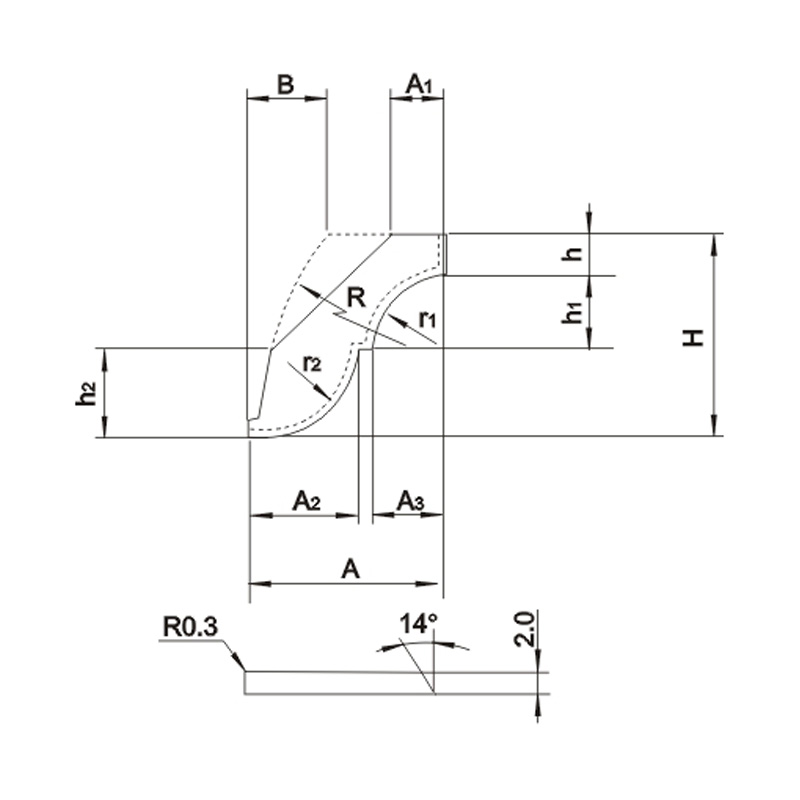
Welcome to our product showcase featuring the Double-Sided Door Panel Edge Profile Cutter Blade! Designed for precision ...
See Details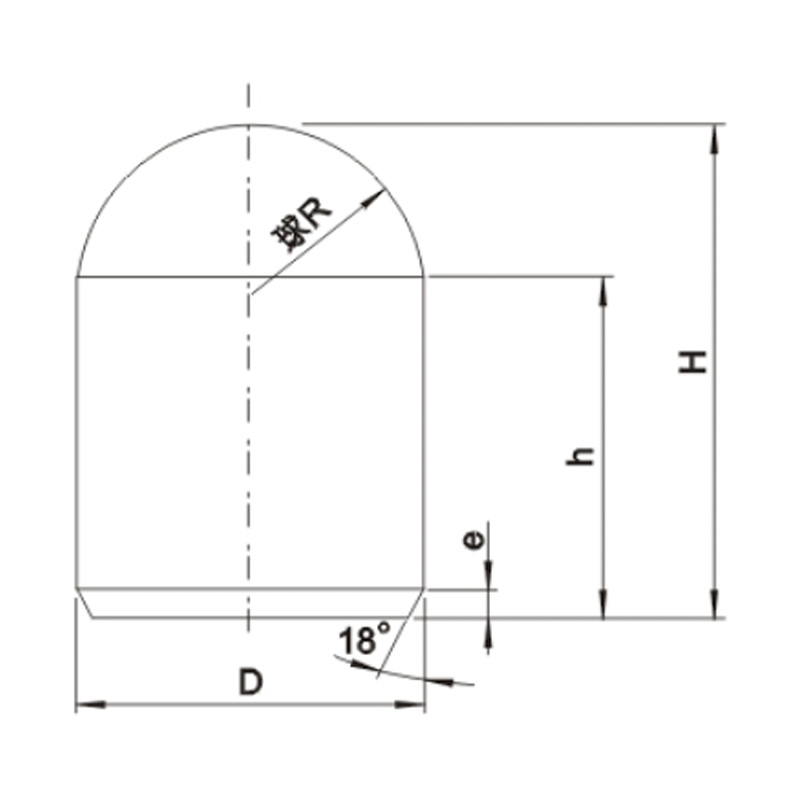
Welcome to our range of Carbide Inserts DQ Type (Q type spherical tooth), the pinnacle of durability and efficiency in d...
See Details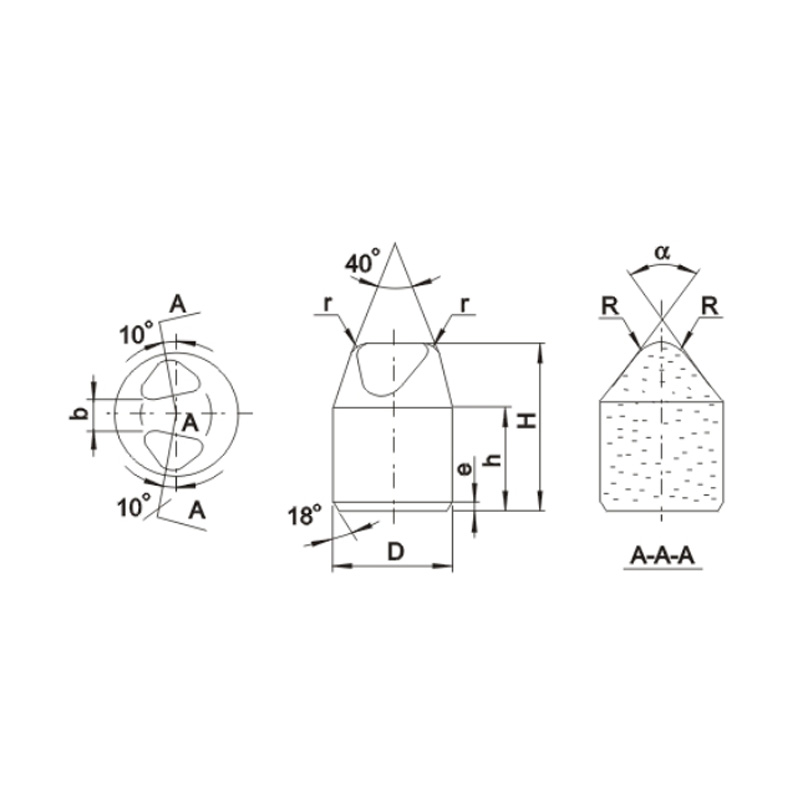
Carbide Inserts DB Type, featuring the B Type Edge-Wedge Tooth design, are a cutting-edge solution tailored for precisio...
See Details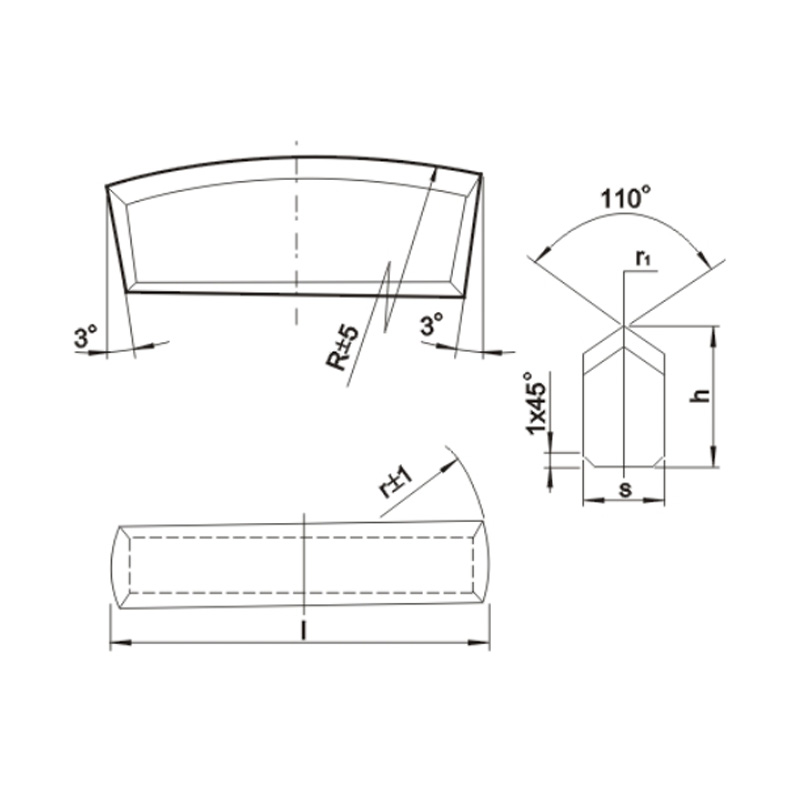
At our grinding tool supply company, we take pride in offering top-of-the-line products tailored to meet the demanding n...
See Details
Contact Us