
 English
 中文简体
中文简体 русский
ZYH25 12% cobalt, 14.05-14.15 density (g/cm³) cemented carbide tungsten carbide rod
Cat:Carbide Rod Series
Welcome to our grinding tool supply company's website, where we introduce you to our premier product: the ZYH25 Carbide ...
See DetailsIndustrial machining often involves complex part geometries. A Carbide Burr comes in many standardized shapes, each designed for a specific type of cut or access condition. Knowing these shapes helps operators select the right tool without trial and error.
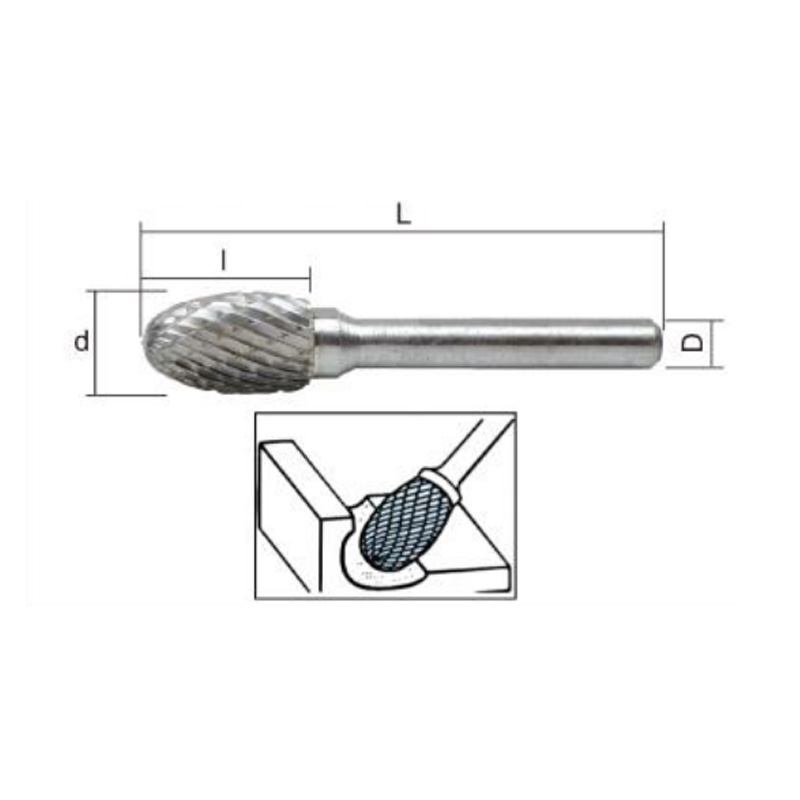
Manufacturers produce Carbide Burr tools in roughly ten basic forms, often identified by letters. The cylindrical shape (type A) is common for flat surfaces and edge chamfering. Its straight sides allow consistent material removal along a line. A variation with a radius end (type B) works for curved grooves.
The ball shape (type C) is useful for concave surfaces and internal radii. When cleaning a rounded corner or carving a hemispherical pocket, the ball shape follows the contour naturally. The conical shape (type D) has a tapered body. It suits angled surfaces, V‑shaped slots, and deburring drilled holes from the back side.
The tree shape (type E) and flame shape (type F) are intended for sculpting and mold work. The tree shape has a rounded tip and a widening body, good for undercuts and curved cavities. The flame shape resembles a pointed cone with a curved profile, often used for finishing fillets and weld preparations.
Oval and egg shapes (types G and H) offer smooth contours for blending surfaces. They remove material gradually without creating steps. The pointed cone shape (type I) reaches narrow gaps and sharp internal corners. Finally, the inverted cone shape (type J) is designed for countersinking and creating angled undercuts.
Beyond shape, the tooth pattern affects performance. A single‑cut Carbide Burr has a right‑hand spiral of flutes. This pattern removes material quickly and produces larger chips. It works well on steel, cast iron, and other ferrous metals where chip clearance is important.
A double‑cut pattern has two intersecting spirals. The resulting smaller teeth produce finer chips and a smoother surface. This pattern is suitable for aluminum, copper, plastic, and stainless steel. The double‑cut design also reduces the tendency for material to pack into the flutes.
Selecting for industrial applications:
Common shank diameters include a few standard sizes. The shank must fit the collet of the rotary tool or die grinder. A loose fit causes runout, which reduces cutting accuracy and can break the tool. Using the correct collet size is as important as selecting the right shape.
A starter set of Carbide Burr shapes might include a cylinder, a ball, a cone, and a tree shape. With these four, many typical tasks—edge breaking, cavity cleaning, surface smoothing—can be accomplished. As specific job requirements emerge, additional shapes can be added. Keeping tools organized by shape and tooth pattern saves time during setup.
Understanding Carbide Burr types and shapes allows an operator to approach each job with the right geometry. This knowledge reduces unnecessary passes and helps achieve the intended feature without overcutting. Industrial applications benefit from this systematic matching of tool form to workpiece function.
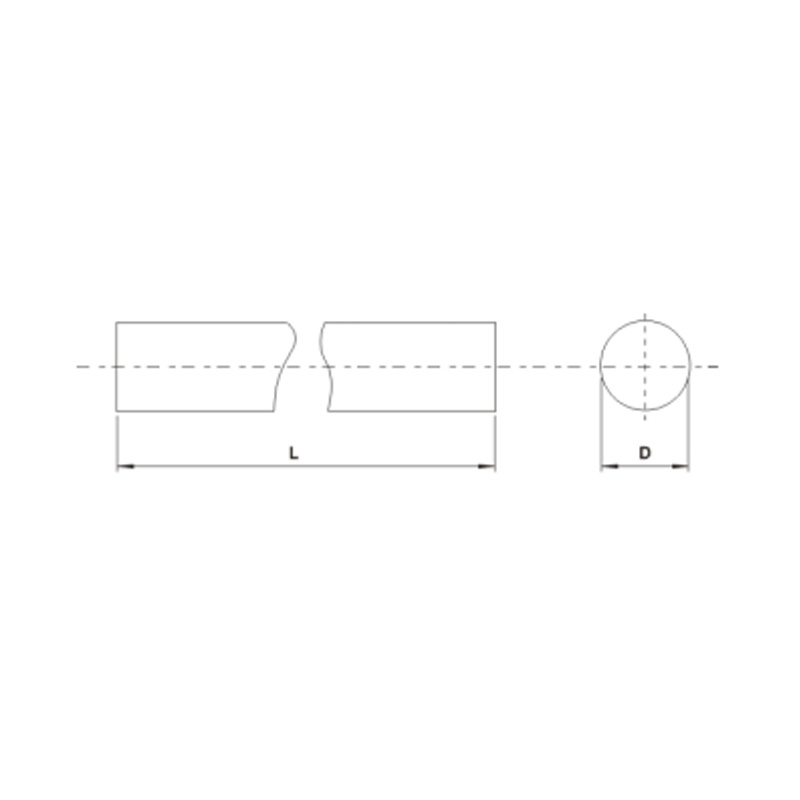
Welcome to our grinding tool supply company's website, where we introduce you to our premier product: the ZYH25 Carbide ...
See Details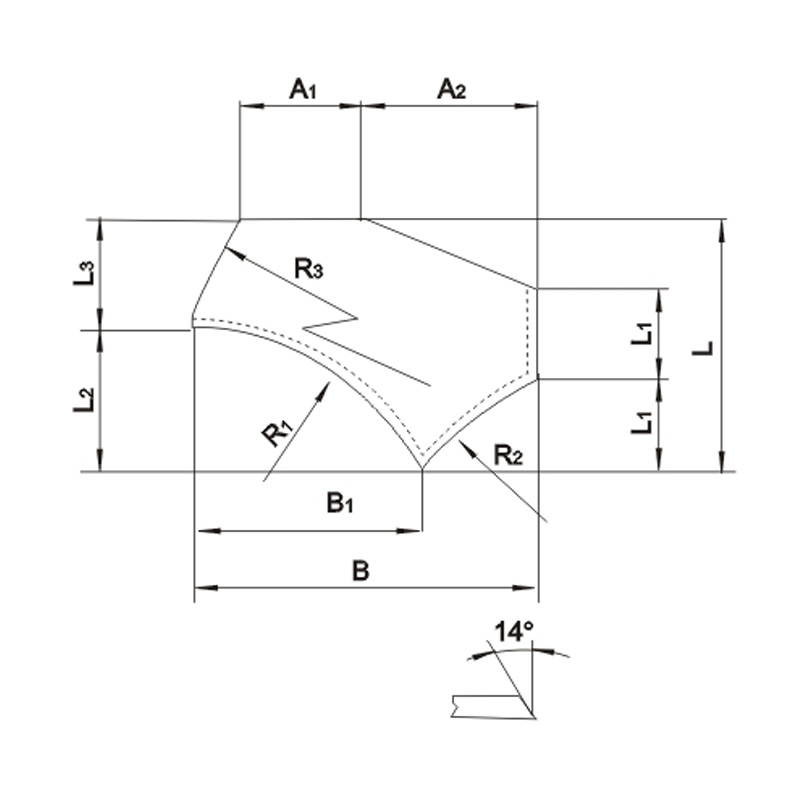
Introducing our Dragon Ball Golden Round Cutter Blade, an essential tool engineered for precision cutting tasks in vario...
See Details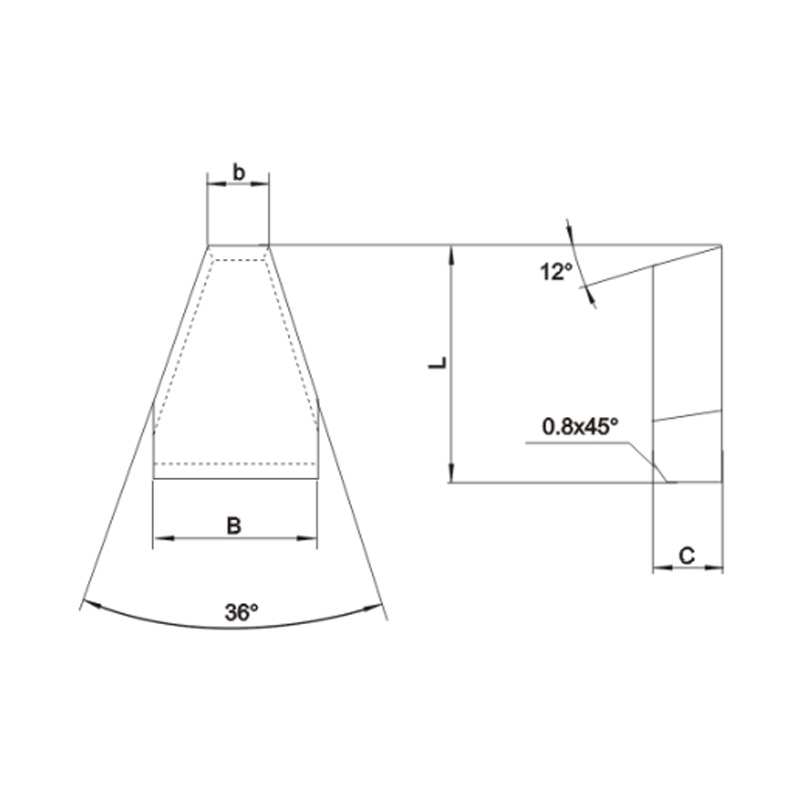
Welcome to our product description for the C4 Type for-processing triangle belt pulley and grooving cutter! This special...
See Details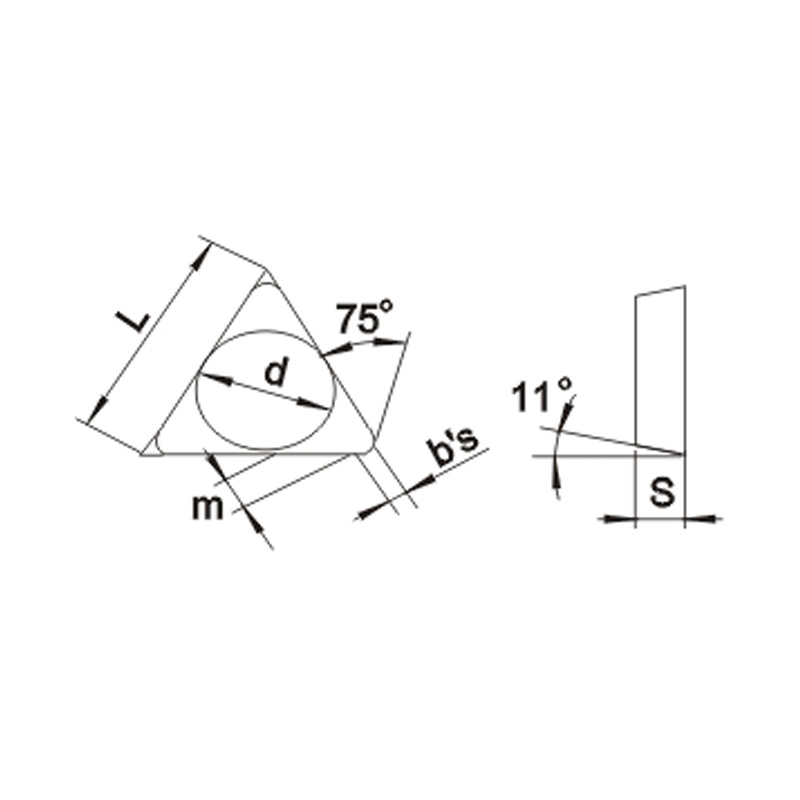
Welcome to our product showcase featuring Triangle Milling Cutter Blades! Designed for precision milling operations, our...
See Details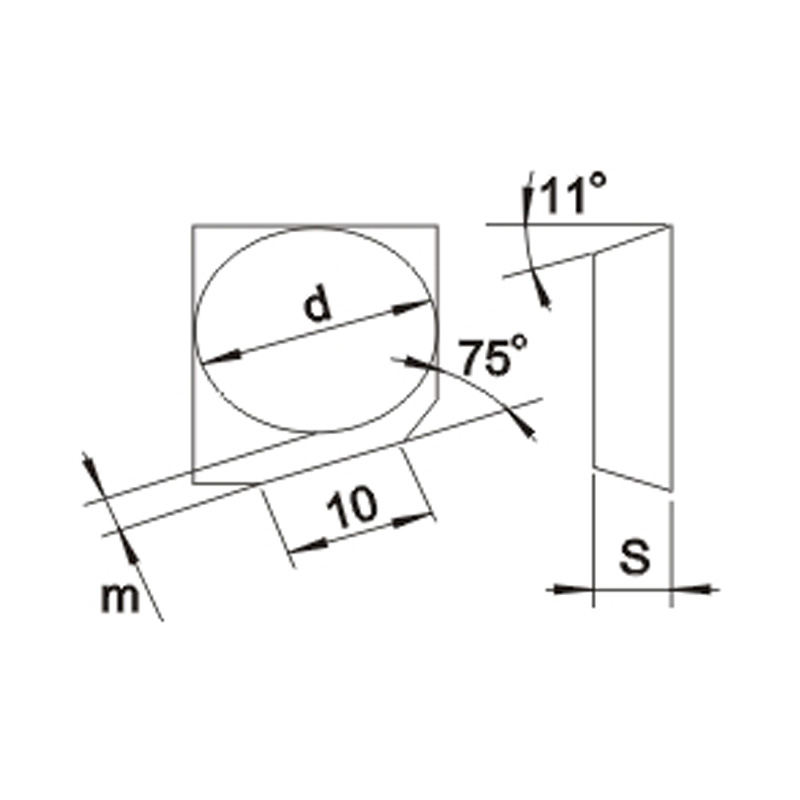
Welcome to our product showcase featuring Scraper Milling Cutter Blades! Designed to meet the demanding requirements of ...
See Details
Contact Us