A Carbide Burr represents an investment in cutting efficiency. With proper care, the same tool can handle many jobs over a long period. Neglecting maintenance leads to premature dulling, chipping, or even breakage. The following practices help keep Carbide Burr tools in working condition.
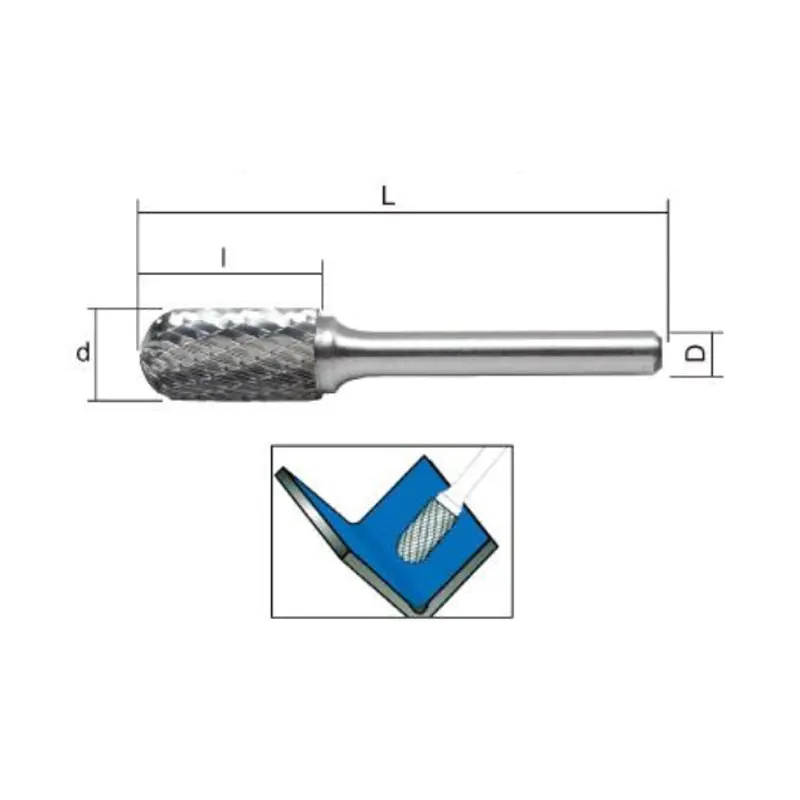
Avoid heavy pressure during use
One common habit that shortens tool life is pressing too hard. Carbide is hard but also brittle. When excessive force is applied, the cutting edges can fracture. The tool works with light pressure that allows the teeth to shear the material. Let the rotation do the work. If the tool stops cutting or makes a rubbing sound, it may be dull or clogged, not in need of more force.
Control rotational speed
Running a Carbide Burr at unnecessarily high speeds generates heat. While carbide withstands higher temperatures than high‑speed steel, prolonged heat exposure can cause micro‑cracks. Using a speed that matches the material—slower for hard alloys, moderate for soft materials—keeps thermal load under control. Many rotary tools offer adjustable speed settings; starting at a lower speed and increasing gradually helps find a suitable range.
Clean the flutes regularly
Soft materials like aluminium, copper, and some plastics tend to adhere to the cutting edges. This buildup, called loading, fills the gaps between teeth. A loaded Carbide Burr cannot cut effectively; instead, it rubs and generates more heat. After each use, or whenever a decrease in cutting action is noticed, clean the tool with a stiff brush. A brass or nylon brush works without damaging the carbide. For stubborn material, a mild solvent or wax remover can help.
Use lubrication where needed ful
Adding a cutting fluid, oil, or wax reduces friction. This practice is especially useful for stainless steel and titanium, where friction leads to work hardening. Lubrication also helps flush chips away from the cutting zone. For dry cutting on cast iron or some steels, lubrication is not always necessary, but a small amount of wax often improves surface finish and reduces tool wear.
Store tools with care
Carbide Burr tools should not be thrown into a drawer with other metal objects. Contact with other tools can chip the fine teeth. Individual pouches, foam‑lined cases, or magnetic strips with separation keep tools from touching each other. Keeping tools dry prevents any corrosion on the shank, which could affect grip in the collet.
Inspect before each. use
Before mounting a Carbide Burr, check the teeth for visible damage. Small chips on a few teeth might still allow operation, but the tool will cut unevenly. If a tool has significant dulling across all teeth, consider replacing it. Some workshops attempt to sharpen carbide burrs using abrasive sticks or diamond files, but results vary. In many cases, replacing a worn tool is more practical than trying to restore its original geometry.
Signs that a tool needs replacement:
- Cutting feels slower, even with correct pressure and speed
- The surface finish becomes rough or irregular
- Visible cracks or missing teeth
- The tool vibrates more than usual (which may also indicate a bent shank)
Practical routine
After each job, take a few seconds to clean the Carbide Burr and return it to its storage place. Once a week, inspect the full set for any tools that need replacement. This simple routine adds little time but prevents the frustration of picking up a dull tool in the middle of a task.
Maintaining a Carbide Burr does not require special skills. Consistent attention to cleaning, speed selection, and storage keeps the tool ready for work. A well‑maintained Carbide Burr delivers predictable results job after job.

 English
 中文简体
中文简体 русский

Contact Us