
 English
 中文简体
中文简体 русский
Used for precision machining of Cemented Carbide Flats with an Angle
Cat:Cemented Carbide Flats
At our grinding supplies company, we offer a range of high-quality cemented carbide flats with angle, meticulously craft...
See DetailsDifferent workpieces react differently to the same cutting tool. A Carbide Burr performs well on many metals, but the operator should adjust technique based on whether the material is aluminum, stainless steel, or hardened steel. Each material presents unique cutting characteristics.
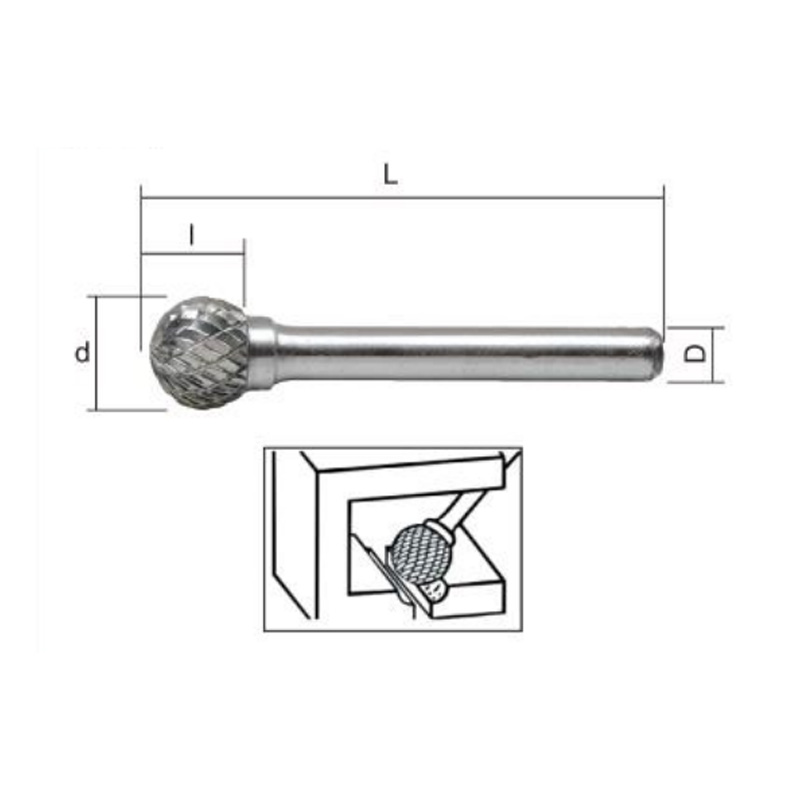
Aluminum is soft and cuts easily. A Carbide Burr can remove material quickly on aluminum, making it useful for shaping and deburring cast or machined parts. However, aluminum has a tendency to stick to the cutting teeth. This adhesion, called loading, fills the flutes and stops the cutting action. The tool then rubs against the workpiece, creating heat and a smeared surface.
To work effectively on aluminum, a single‑cut Carbide Burr with a more open flute design is often chosen. The larger chip spaces allow aluminum chips to clear away. Adding a wax‑based lubricant or a light oil reduces adhesion. Running the tool at a higher speed range—while still avoiding excessive heat—helps produce smaller chips that are easier to evacuate. After each pass, brushing the tool clean prevents buildup from becoming compacted.
Stainless steel, particularly the 300 series, is tough. It does not chip easily, and it tends to work‑bank near the cutting zone. If a Carbide Burr rubs instead of cuts, the surface becomes harder, making further passes more difficult. For this material, a double‑cut pattern is often preferred. The smaller teeth produce fine chips and reduce the force per tooth.
Moderate rotational speed works better than high speed. Too much speed increases heat without improving material removal. Applying consistent, light pressure keeps the teeth engaged without causing work hardening. A cutting oil formulated for stainless steel helps reduce friction and washes chips away. Patience is important—forcing the tool leads to tool damage or poor surface quality.
Hardened steel, with a higher hardness range, pushes the capability of a standard Carbide Burr. The tool can still cut, but the material removal rate is slower. The edges wear more quickly than on softer metals. For occasional work on hardened components, selecting a Carbide Burr with a finer grain size and a coating such as AlTiN provides some improvement. The coating adds a layer of protection against heat and abrasion.
Even with these adjustments, very hard materials demand caution. The operator should reduce the rotational speed compared to stainless steel or aluminum. A light touch is essential—excessive pressure can cause the tool to fracture. For regular work on hardened steel, some workshops prefer abrasive tools or other methods. A Carbide Burr remains an option for light finishing or detail work on parts with hardness not exceeding a moderate level.
Keep a separate set of Carbide Burr tools for aluminum to avoid cross‑contamination of steel particles. When switching from aluminum to stainless steel, clean the tool thoroughly. For hardened metal, consider whether the job could be done before heat treatment. If post‑heat treatment work is necessary, plan for shorter cutting intervals and more frequent tool inspection.
A Carbide Burr adapts to aluminum, stainless steel, and hardened metal, but the operator’s technique makes the difference. Matching tooth pattern, speed, lubrication, and pressure to the material at hand allows the tool to deliver reliable performance across a range of industrial applications.
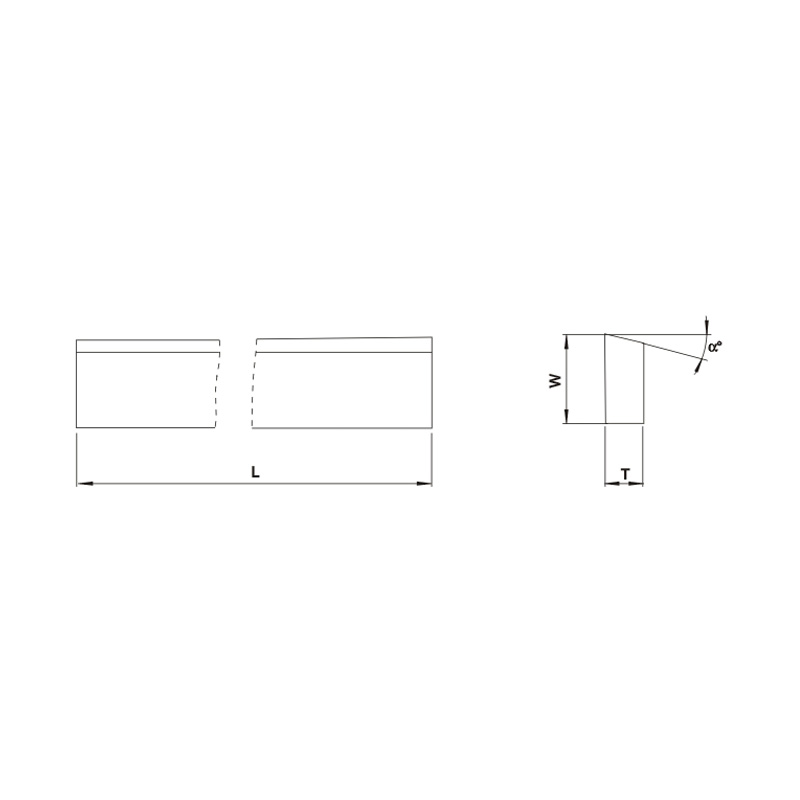
At our grinding supplies company, we offer a range of high-quality cemented carbide flats with angle, meticulously craft...
See Details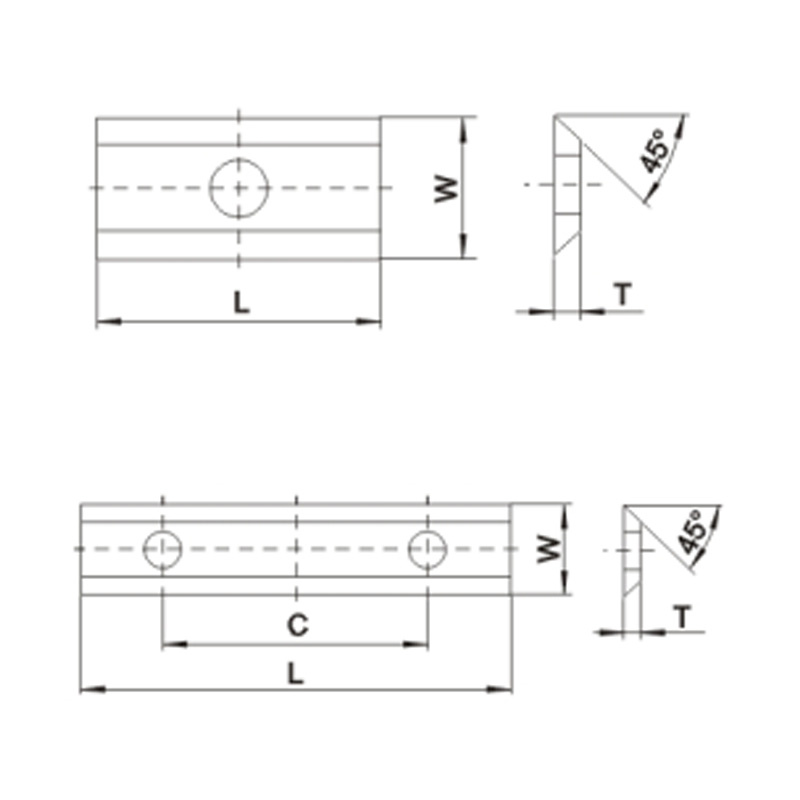
Welcome to our Carbide Knives Series A Type product page! As a pilot provider of grinding tool products, we are excited ...
See Details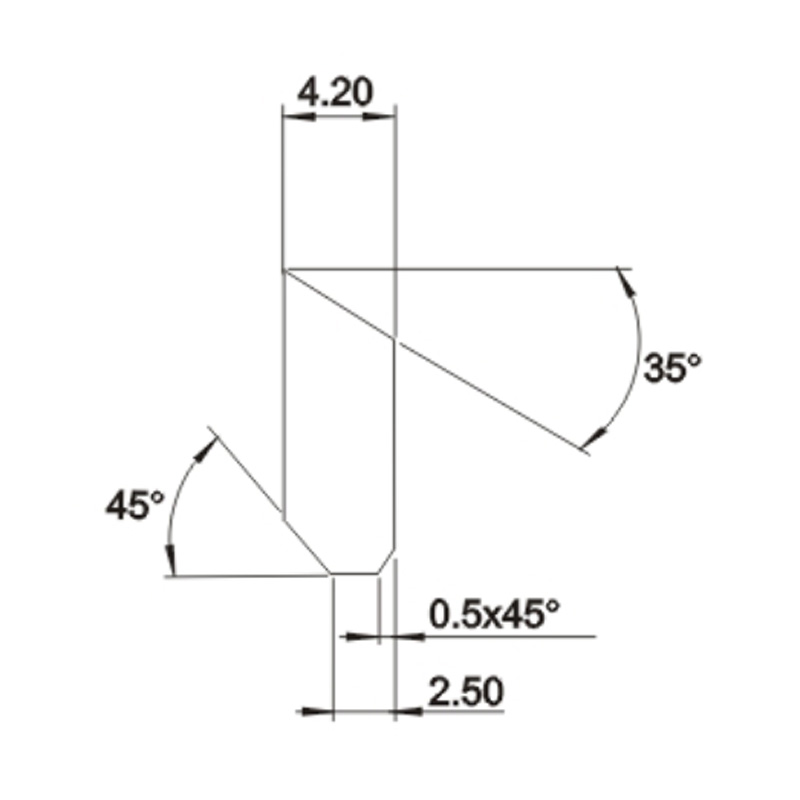
Welcome to our MKWPR Series Saw Blades product page! Our company takes pride in offering high-quality saw blades enginee...
See Details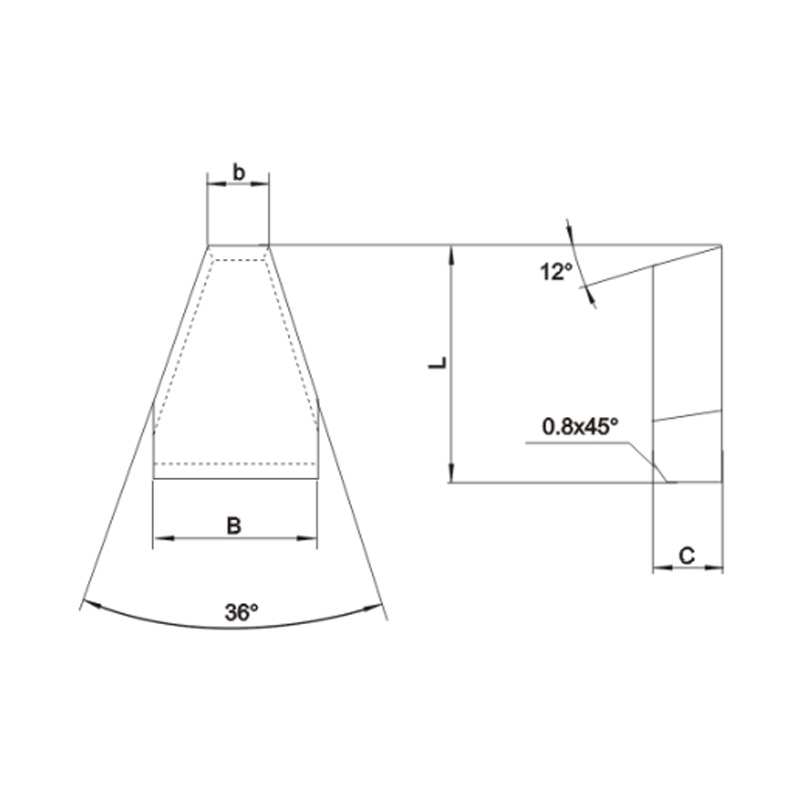
Welcome to our product description for the C4 Type for-processing triangle belt pulley and grooving cutter! This special...
See Details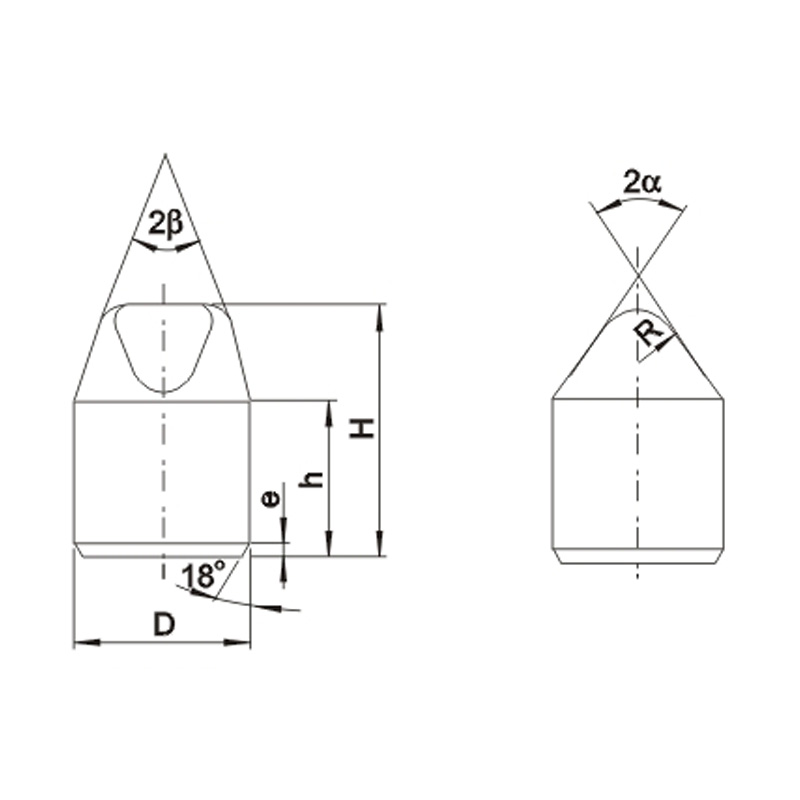
Carbide Inserts DX Type (X type wedge tooth) are cutting-edge tools designed for precision drilling and hole-making appl...
See Details
Contact Us