
 English
 中文简体
中文简体 русский
ZYH25 12% cobalt, 14.05-14.15 density (g/cm³) cemented carbide tungsten carbide rod
Cat:Carbide Rod Series
Welcome to our grinding tool supply company's website, where we introduce you to our premier product: the ZYH25 Carbide ...
See DetailsQuarry drilling operations are widely used in stone extraction for construction and industrial material processing. These operations require drilling tools that can handle repetitive impact, abrasive rock surfaces, and changing geological conditions. In these environments, Carbide Rock Drill Bits are commonly applied due to their stable cutting ability and resistance to wear under continuous drilling conditions.
Quarry Drilling Environment Characteristics
Quarry sites typically consist of exposed rock formations such as limestone, sandstone, marble, and granite. These materials vary in hardness and abrasiveness, which directly affects drilling performance. Unlike underground mining, quarry drilling is exposed to open-air conditions, including dust, temperature changes, and uneven rock surfaces.
Drilling in quarries is often used for blast hole preparation, where consistent hole depth and diameter are required. Accuracy in drilling helps ensure efficient rock fragmentation during blasting operations.
Main Types of Carbide Drill Bits Used
Different types of carbide drill bits are used depending on rock conditions and drilling requirements.
Button Drill Bits
Button bits are widely used in quarry drilling due to their balanced structure and stable penetration ability. Carbide buttons are arranged on the bit face to improve rock breaking efficiency. These bits are suitable for medium to hard stone formations and are commonly used in blast hole drilling.
Tapered Drill Bits
Tapered drill bits are often used in handheld or light drilling equipment. They are suitable for shallow drilling tasks and smaller quarry operations. Their simple structure makes them easy to use in manual drilling systems or portable rigs.
Threaded Drill Bits
Threaded drill bits are used in more stable drilling systems where deeper penetration is required. They provide a secure connection with drill rods, ensuring stable energy transfer during operation. These bits are commonly applied in medium-depth quarry drilling.
Down-the-Hole Hammer Bits
DTH hammer bits are designed for deeper drilling operations. The hammer mechanism delivers impact directly to the rock surface, improving penetration in harder formations. Carbide inserts help maintain cutting ability under continuous impact conditions.
Structural Design Differences
The structure of a drill bit directly influences its performance in quarry environments. One key factor is the arrangement of carbide buttons. Their positioning determines how force is distributed across the rock surface during drilling.
Face design also plays an important role. Flat-face designs are used for general drilling conditions, while convex and concave designs are selected based on rock fragmentation behavior. These variations help control drilling stability and cutting efficiency.
The internal structure of the bit body also contributes to durability. A reinforced steel body combined with carbide inserts helps absorb repeated impact while maintaining cutting performance.
Selection Based on Quarry Conditions
Different quarry environments require different drilling approaches. Softer rock formations may allow faster penetration with simpler bit designs, while harder formations require reinforced carbide structures.
Hole diameter requirements also influence drill bit selection. Larger holes are commonly used for blasting preparation, while smaller holes are used for sampling or controlled drilling tasks. Depth requirements further affect whether tapered, threaded, or DTH bits are more suitable.
Operational Efficiency in Quarry Drilling
Drilling efficiency depends on both equipment selection and operational control. Proper drilling pressure helps maintain stable penetration without excessive wear. Rotation speed also needs to be adjusted based on rock resistance to ensure consistent cutting performance.
Flushing systems are used to remove rock debris from the drilling area. This helps reduce heat buildup and prevents blockage around the drill bit face. Efficient debris removal contributes to smoother drilling conditions.
Wear Behavior in Quarry Applications
Due to the abrasive nature of quarry materials, drill bits naturally experience gradual wear. Carbide inserts help slow down this process by maintaining hardness and cutting stability.
Wear patterns may vary depending on rock composition and drilling conditions. Uneven wear can occur if operational parameters are not properly controlled. Regular monitoring helps identify necessary adjustments.
Application Flexibility
Carbide drill bits are used across different quarry drilling stages, from initial blast hole preparation to more precise drilling tasks. Their adaptability makes them suitable for various operational requirements within quarry environments.
Maintenance and Usage Considerations
Proper maintenance plays an important role in extending drill bit usability. Regular inspection helps detect early signs of wear, while cleaning after drilling cycles helps maintain performance by removing debris buildup.
Correct operational settings, including pressure and rotation control, also help reduce unnecessary stress on the carbide structure, supporting more stable drilling performance over time.
Quarry drilling operations require tools capable of handling abrasive stone materials and repetitive impact conditions. Different types of carbide drill bits are selected based on rock hardness, drilling depth, and operational requirements. Proper matching of drill bit type and working conditions helps maintain stable drilling performance across quarry applications.
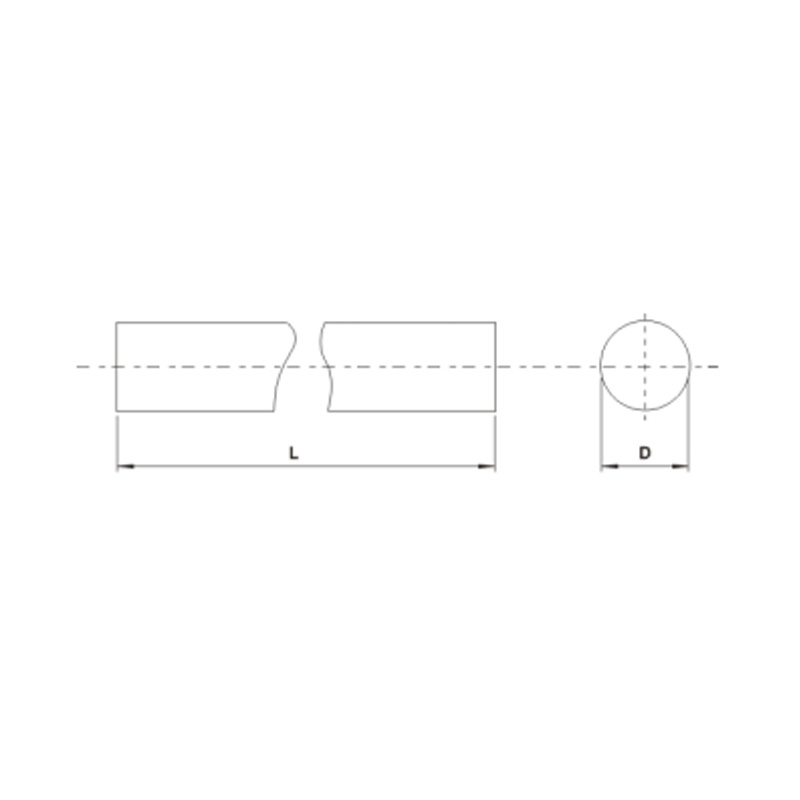
Welcome to our grinding tool supply company's website, where we introduce you to our premier product: the ZYH25 Carbide ...
See Details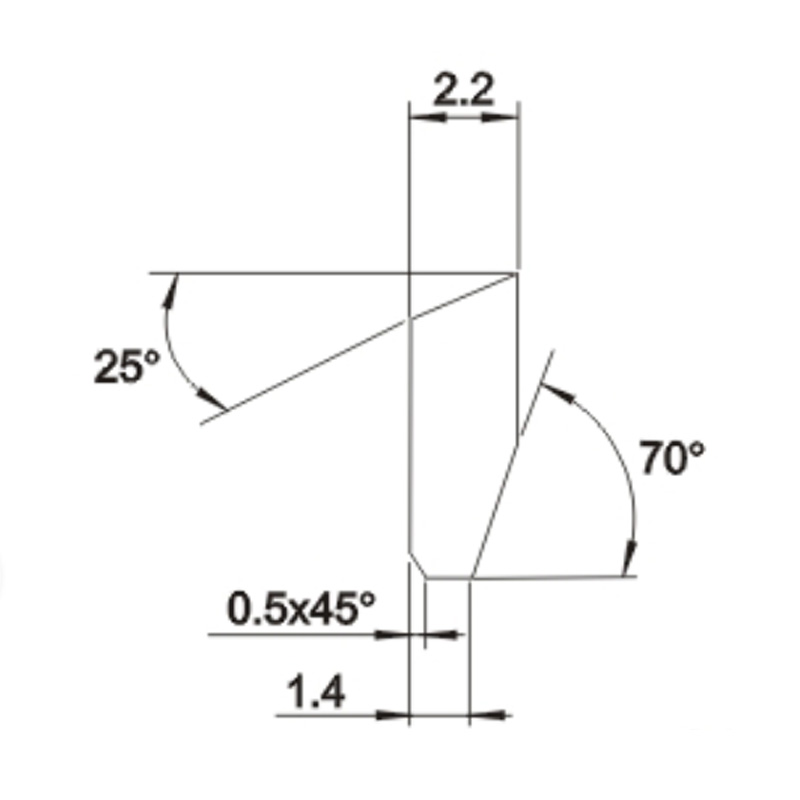
Welcome to our product page featuring the MKW-08 Series Saw Blades! Our company takes pride in offering high-quality saw...
See Details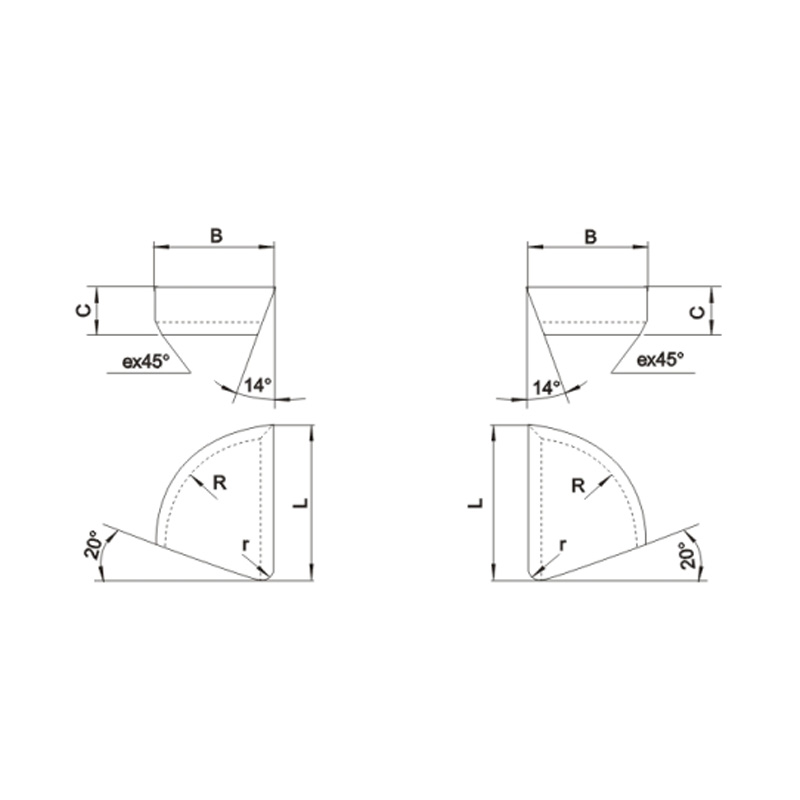
Welcome to our product page featuring the A2 Type for boring cutter and facing tool. Designed specifically for the manuf...
See Details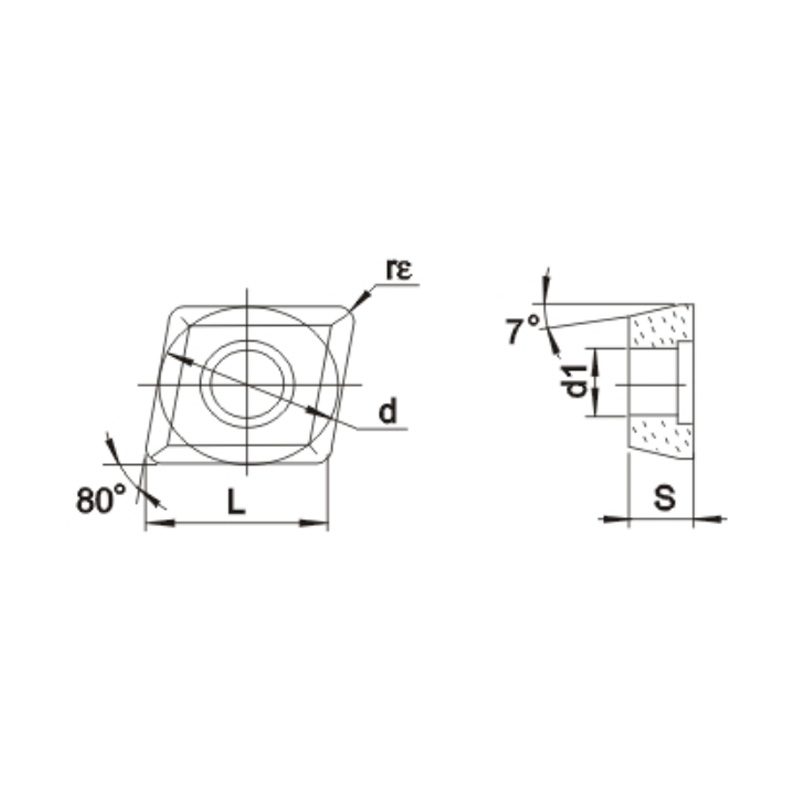
Welcome to our product page featuring the 95 Degree External Turning, Facing, and Boring Tools! Designed to meet the div...
See Details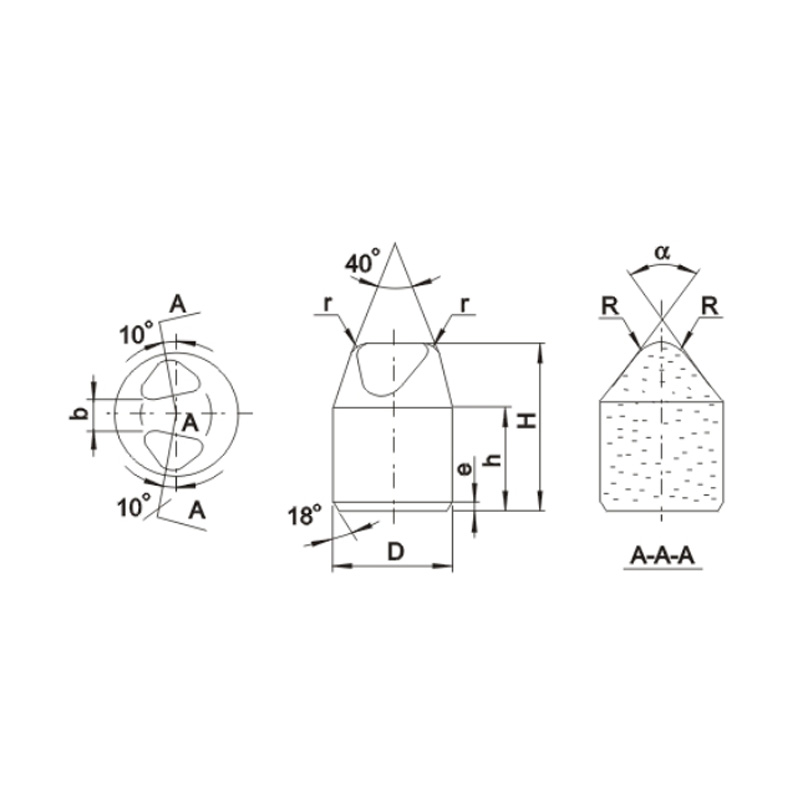
Carbide Inserts DB Type, featuring the B Type Edge-Wedge Tooth design, are a cutting-edge solution tailored for precisio...
See Details
Contact Us